
What is December’s Birthstone? The Complete Guide
- Scritto da Team Provenza
- Updated on Settembre 10, 2026
Sommario
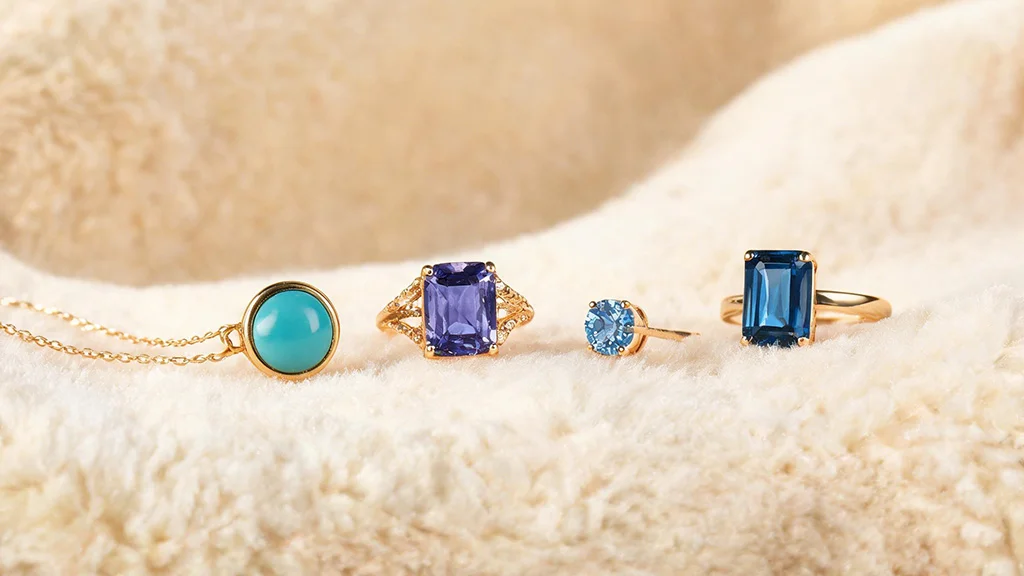
Dicembre è uno dei pochi mesi con più di una pietra portafortuna. Le sue tre pietre portafortuna tradizionali sono: turchese, tanzanite e zircone, a cui si è unito più recentemente topazio blu, un'aggiunta moderna apprezzata per la sua resistenza e il suo colore vivido. Tutte e quattro le gemme condividono una fresca palette invernale di blu e ognuna ha il suo significato: dalla protezione e buona fortuna alla chiarezza, trasformazione e calma. Che tu stia cercando un regalo di compleanno o semplicemente curioso di conoscere le pietre legate al tuo mese di nascita, ecco tutto ciò che devi sapere.
Informazioni essenziali sulla pietra portafortuna di dicembre
- Pietre portafortuna tradizionali: turchese, tanzanite, zircone
- Aggiunta moderna: Topazio Blu
- Colori distintivi: azzurro cielo, blu-violetto, blu verdastro, blu intenso di Londra
- Grado di durezza: da 5 a 8 sulla scala Mohs.
- Ideale per: orecchini e pendenti (tutti e quattro); anelli per le pietre più dure
Simbolismo: protezione, trasformazione, chiarezza e calma
Perché dicembre ha più di una pietra portafortuna?
Gli elenchi delle pietre portafortuna non sono mai stati immutabili. Si sono evoluti nel corso dei secoli, influenzati dalle tradizioni regionali, dalle antiche rotte commerciali e, più recentemente, dal commercio di gioielli stesso. Il turchese è stato apprezzato in diverse culture per millenni ed è ampiamente considerato la pietra portafortuna tradizionale di dicembre. La tanzanite e lo zircone sono stati aggiunti agli elenchi moderni per offrire ai consumatori una maggiore scelta e una gamma più ampia di prezzi, mentre il topazio blu è diventato una valida alternativa grazie alla sua convenienza, alla sua resistenza e alla sua ricca tonalità di blu.
Il risultato è che chiunque sia nato a dicembre può scegliere tra quattro pietre preziose distinte, ognuna con la propria personalità, storia e fascia di prezzo, anziché essere limitato a una sola opzione.
Pietre portafortuna di dicembre in sintesi
Prima di analizzare singolarmente ciascuna pietra, ecco un confronto tra le quattro in base ai fattori più importanti nella scelta di un gioiello con la pietra portafortuna.
Calcolo | Gamma di colori | Durezza Mohs | Senso | Il miglior utilizzo dei gioielli | Livello di valore | Livello di assistenza |
Turchese | Dal blu uovo di pettirosso al blu verdastro | 5–6 | Protezione, buona fortuna | Orecchini, pendenti, anelli occasionali | Accessibile ad alto | Delicato: evitare il contatto con acqua e prodotti chimici. |
Tanzanite | Dal blu al blu-violetto. | 6–7 | Trasformazione, intuizione | Orecchini, pendenti, anelli con incastonatura protetta | Medio-alto | Moderato — evitare lo shock termico |
Zircone | Blu (anche multicolore) | 6–7,5 | Chiarezza, prosperità | Orecchini, pendenti, anelli protetti | Accessibile al medio | Moderato — evitare l'usura eccessiva |
Topazio Blu | Dal cielo pallido al blu intenso di Londra. | 8 | Calma, comunicazione | Anelli per tutti i giorni, tutti i tipi di gioielli | Accessibile | Basso — il più resistente dei quattro |
Turchese: la pietra portafortuna tradizionale di dicembre.
Storia e origini
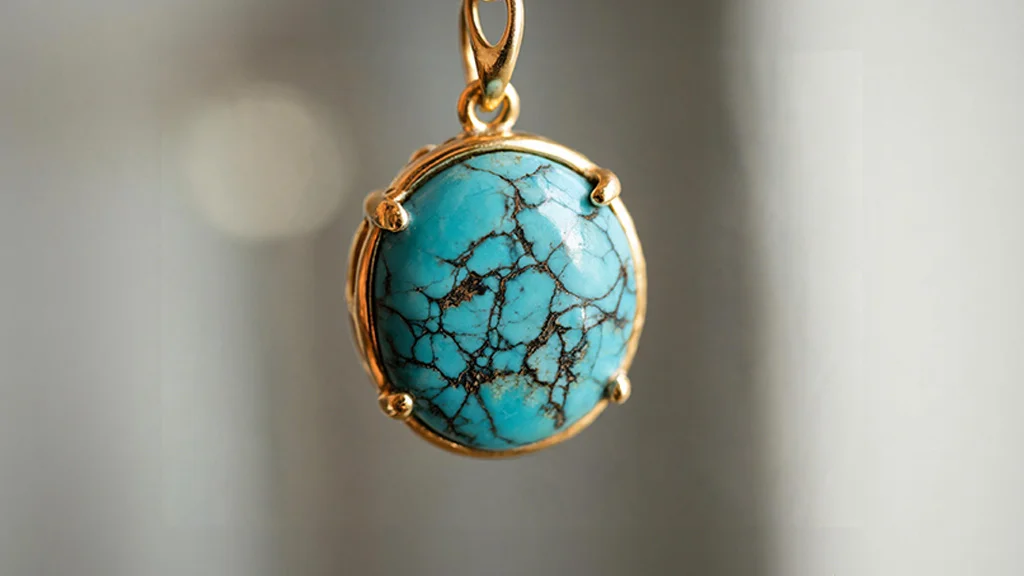
Il turchese è una delle pietre preziose più antiche utilizzate in gioielleria, con una storia documentata che risale a oltre 3.000 anni fa. Gli antichi sovrani egizi la indossavano, gli artigiani persiani la apprezzavano per i gioielli reali e riveste un profondo significato spirituale per le popolazioni indigene del sud-ovest americano.. Questa lunga storia interculturale è il motivo per cui il turchese è ampiamente considerato la pietra portafortuna originaria di dicembre.
Significato e simbolismo
Il turchese è strettamente associato a protezione, guarigione e buona fortuna. Molte culture credevano che agisse come pietra protettiva, indossata per allontanare le energie negative e portare equilibrio a chi la portava: un significato che si è tramandato fino ai giorni nostri, e che influenza il modo in cui questa pietra viene regalata.
Colore e qualità
Il turchese varia da un delicato azzurro cielo a un blu più verdastro, spesso con sottili venature note come matrice. Quando si valuta il turchese per la creazione di gioielli, è importante ricercare un colore uniforme e saturo e una minima presenza di gesso: gli esemplari più pregiati mostrano un blu uniforme e vivido con una matrice poco o per nulla visibile, mentre i pezzi più accessibili presentano venature e texture più pronunciate, che molti trovano altrettanto belle.
Durata e cura
Con una durezza Mohs di soli 5-6, il turchese è la più morbida tra le pietre portafortuna di dicembre. È poroso e sensibile a oli, cosmetici, calore e prodotti chimici per la casa, quindi non deve mai essere pulito con apparecchi a ultrasuoni o a vapore. Un panno morbido e asciutto o una leggera passata con acqua tiepida sono sufficienti.
Migliori tipologie di gioielli
Grazie alla sua morbidezza, il turchese si presta al meglio per orecchini, pendenti e collane, dove è soggetto a minore attrito e urti quotidiani. Se incastonato in un anello, una montatura a castone protettiva e un utilizzo occasionale contribuiranno a mantenerlo nel tempo.
Tanzanite: la rara pietra portafortuna moderna di dicembre
Storia e origini
La tanzanite vanta una delle storie d'origine più straordinarie nel mondo delle gemme. Scoperta nel 1967 alle pendici del Kilimangiaro, prese il nome dalla Tanzania, l'unico paese al mondo in cui si trova. La sua rapida ascesa alla popolarità, favorita dalle principali case di gioielleria nel decennio successivo, la rese una delle gemme più ricercate del XX secolo.
Significato e simbolismo
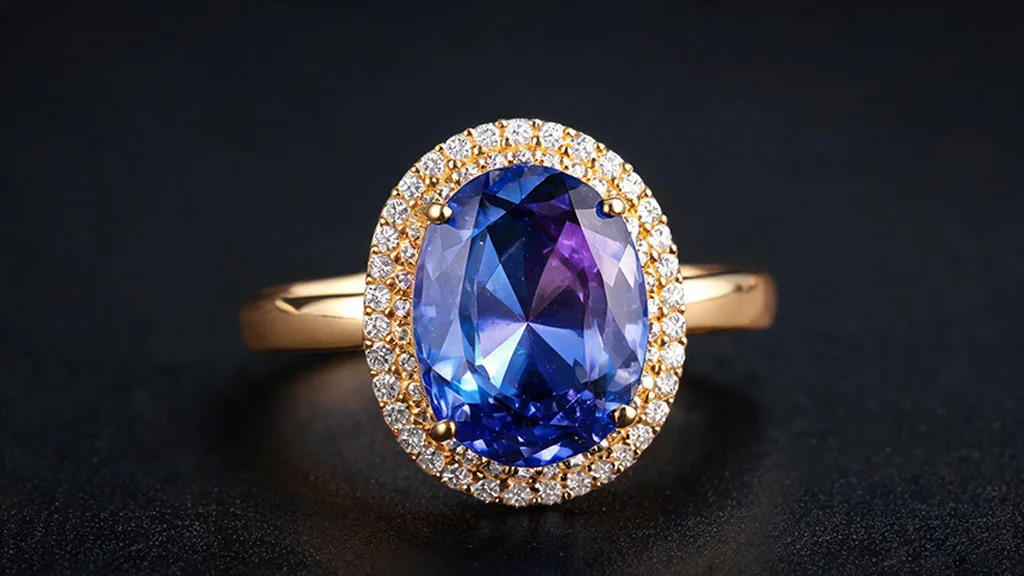
La tanzanite è associata alla trasformazione, all'intuizione e ai nuovi inizi. Il suo colore cangiante, che varia dal blu al viola e può apparire diverso a seconda dell'angolazione e della luce, è spesso visto come un riflesso della crescita personale e del cambiamento.
Colore e qualità
La tanzanite più pregiata presenta un blu-violetto ricco e saturo con minime sfumature grigie. Poiché il colore è il principale indicatore di qualità, è importante cercare pietre con una saturazione uniforme e una buona purezza; il trattamento termico, standard per quasi tutte le tanzaniti in commercio, esalta questa caratteristica cromatica ed è considerato una pratica consolidata nel settore, non un difetto.
Durata e cura
Con una durezza compresa tra 6 e 7 sulla scala di Mohs, la tanzanite è più resistente del turchese, ma richiede comunque cura. Può incrinarsi in caso di sbalzi di temperatura improvvisi o urti violenti. Pulitela solo con acqua tiepida e sapone, mai con pulitori a ultrasuoni o a vapore, e conservatela separatamente dalle pietre preziose più dure che potrebbero graffiarla.
Migliori tipologie di gioielli
La tanzanite risplende in orecchini e pendenti, dove è protetta dagli urti quotidiani. Negli anelli, si consiglia una montatura protettiva come un pavé o una castone, ed è preferibile indossarla in occasioni speciali piuttosto che tutti i giorni.
Zircone: l'antica e splendida pietra portafortuna di dicembre
Storia e origini
Lo zircone è uno dei minerali più antichi sulla Terra: alcuni cristalli sono stati datati a oltre quattro miliardi di anni fa. Nonostante questa antichissima origine, lo zircone viene spesso confuso con un simulante del diamante moderno a causa della somiglianza del suo nome con la zirconia cubica. In realtà, si tratta di una gemma completamente naturale, ricca di brillantezza e storia, apprezzata fin dal Medioevo per il suo scintillio e la sua lucentezza.
Significato e simbolismo
Lo zircone è associato a chiarezza, concentrazione e prosperità. Viene spesso scelto da chi cerca chiarezza mentale o un nuovo senso di direzione, poiché la sua brillantezza simboleggia la capacità di dissipare la confusione.
Colore e qualità
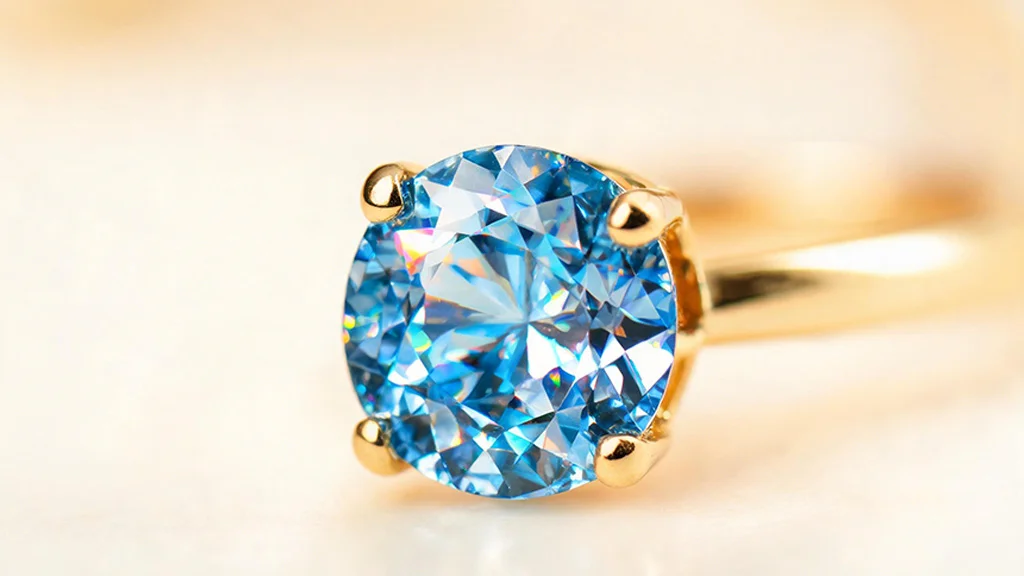
Sebbene lo zircone si trovi in natura nelle varietà rossa, gialla, verde, marrone e incolore, lo zircone blu, solitamente ottenuto tramite trattamento termico, è il colore più associato al mese di dicembre. Cercate pietre con una forte brillantezza e con inclusioni visibili minime; il miglior zircone blu rivaleggia con il diamante in termini di fuoco e scintillio.
Durata e cura
Lo zircone ha una durezza compresa tra 6 e 7,5 sulla scala di Mohs, il che lo rende ragionevolmente duro ma soggetto a scheggiature lungo i bordi (una caratteristica chiamata fragilità). Pulirlo con acqua tiepida e sapone e una spazzola morbida, evitando la pulizia a ultrasuoni o a vapore, che possono alterare il colore ottenuto tramite trattamento termico.
Migliori tipologie di gioielli
Lo zircone si presta bene per orecchini e pendenti, dove la sua brillantezza può catturare la luce senza un eccessivo rischio di scheggiature. Per gli anelli, è consigliabile scegliere una montatura protettiva che ripari i bordi dagli urti quotidiani.
Topazio blu: la pietra portafortuna più resistente di dicembre
Storia e origini
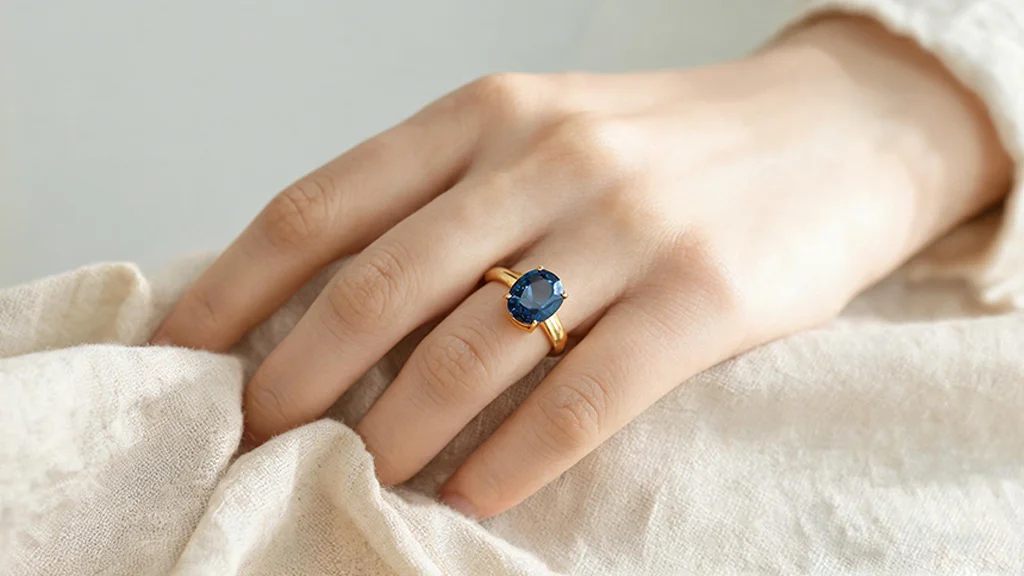
Il topazio è la pietra portafortuna ufficiale di novembre, ma la sua varietà blu è diventata così strettamente legata alla palette invernale di dicembre da essere ampiamente riconosciuta come quarta pietra portafortuna del mese. Il topazio blu naturale è in genere molto pallido; le vivaci tonalità blu svizzero e blu londinese, popolari oggi, si ottengono tramite trattamenti termici e di irradiazione sicuri e conformi agli standard industriali.
Significato e simbolismo
Il topazio blu rappresenta la calma, la chiarezza di pensiero e la comunicazione onesta: associazioni appropriate per una pietra i cui toni limpidi e freddi evocano i sereni cieli invernali.
Colore e qualità
Il topazio blu presenta una gamma di colori che va da un azzurro cielo tenue e arioso alle tonalità intense e sature note come blu Londra. Poiché viene prodotto attraverso processi di trattamento uniformi, la classificazione del colore è più semplice rispetto ad altre pietre preziose di dicembre: cercate una saturazione del colore forte e uniforme e un'eccellente purezza, dato che il topazio blu è generalmente privo di inclusioni visibili a occhio nudo.
Durata e cura
Con una durezza Mohs pari a 8, il topazio blu è la pietra portafortuna più resistente di dicembre e si presta bene ad essere indossato quotidianamente. Può comunque scheggiarsi se colpito bruscamente lungo il suo piano di sfaldatura naturale, quindi è meglio evitare urti violenti. Pulire con acqua tiepida e sapone; i pulitori a ultrasuoni sono generalmente sicuri, ma il vapore è sconsigliato.
Migliori tipologie di gioielli
Il topazio blu è la pietra portafortuna più versatile di dicembre, adatta sia ad anelli da indossare tutti i giorni che a orecchini, pendenti e gioielli vistosi in cui pietre più grandi e accessibili possono essere protagoniste.
Come scegliere la pietra portafortuna di dicembre più adatta a te
Con quattro pietre preziose tra cui scegliere, la scelta giusta dipende da alcuni fattori pratici piuttosto che dal fatto che una pietra sia oggettivamente "migliore" di un'altra.
Considera con quale frequenza lo indosserai
Se desiderate un gioiello da indossare quotidianamente, soprattutto un anello, il topazio blu è la scelta ideale grazie alla sua durezza Mohs pari a 8. Lo zircone e la tanzanite sono più adatti ad anelli indossati occasionalmente, mentre il turchese è più indicato per orecchini, pendenti o collane, che sono soggetti a minore attrito e urti.
Considera il tuo budget
Il topazio blu e la maggior parte degli zirconi offrono un ottimo rapporto qualità-prezzo nelle carature più elevate, rendendoli una scelta accessibile per gioielli vistosi e di grande impatto. La tanzanite e il turchese di alta qualità hanno un prezzo più elevato a causa della rarità e della difficoltà di reperimento, soprattutto per le pietre più grandi o con un colore particolarmente intenso.
Considera il colore e l'atmosfera che desideri
Ogni pietra offre una distinta sfumatura di blu: il turchese tende al caldo e all'opacità, la tanzanite vira al viola, lo zircone brilla di un blu limpido e ghiacciato, e il topazio blu varia da pallido a intensamente saturo. Scegliere in base alla tonalità che più vi emoziona è altrettanto valido quanto scegliere in base alla durata o al prezzo.
Cogli l'occasione
Un regalo per un'occasione speciale, come un anniversario, un compleanno importante o un gioiello di famiglia, può tranquillamente ospitare una pietra più delicata come la tanzanite o il turchese, poiché non sarà soggetta all'usura quotidiana. Per un gioiello da indossare tutti i giorni senza pensarci troppo, il topazio blu o lo zircone sono scelte più pratiche.
Approvvigionamento e qualità: cosa cercare al momento dell'acquisto
Poiché le pietre portafortuna di dicembre presentano una grande varietà di trattamenti e colori naturali, è più importante, rispetto a molte altre gemme, affidarsi a un produttore o rivenditore che dichiari chiaramente i trattamenti effettuati e si approvvigioni in modo responsabile. I produttori di gioielli affidabili verificano l'origine delle gemme, dichiarano i trattamenti standard come il trattamento termico e seguono una classificazione di qualità coerente per colore, purezza e taglio.
In qualità di produttore di gioielli pregiati che realizza gioielli con pietre portafortuna in oro massiccio insieme a diamanti coltivati in laboratorio, moissanite e pietre preziose naturali, Gioielli provenzali Questi stessi standard vengono applicati a ogni singolo gioiello con pietra portafortuna di dicembre, dall'approvvigionamento delle pietre sfuse al controllo qualità finale, sia per le collezioni destinate alla vendita al dettaglio che per i programmi personalizzati B2B e a marchio privato.
Domande frequenti
Dicembre ha tre pietre portafortuna tradizionali: turchese, tanzanite e zircone, oltre al topazio blu, ampiamente riconosciuto come una quarta opzione moderna.
Gli elenchi delle pietre portafortuna si sono evoluti nel corso dei secoli e sono stati successivamente ampliati dal settore della gioielleria per offrire agli acquirenti una maggiore scelta in termini di fasce di prezzo e stili. Il mese di dicembre si è ritrovato ad avere quattro pietre riconosciute anziché una sola.
Le pietre portafortuna tradizionali, come il turchese, derivano da associazioni culturali e storiche secolari. Le pietre portafortuna moderne, come la tanzanite, lo zircone e il topazio blu, sono state aggiunte in seguito, spesso perché offrivano nuovi colori, maggiore resistenza o prezzi più accessibili.
Tutte e quattro le pietre portafortuna di dicembre rientrano nella gamma del blu: il turchese va dal blu cielo al blu verdastro, la tanzanite dal blu al viola, lo zircone è di un blu brillante e limpido, e il topazio blu varia dal blu cielo pallido al blu intenso di Londra.
Il topazio blu è l'opzione più resistente, con una durezza Mohs pari a 8, il che lo rende particolarmente adatto ad anelli e altri gioielli da indossare quotidianamente. Lo zircone rappresenta una valida via di mezzo, mentre il turchese e la tanzanite sono più indicati per orecchini, pendenti o anelli da indossare in occasioni speciali.
La tanzanite è generalmente la più preziosa delle quattro, a causa della sua rarità: viene estratta in un solo luogo sulla Terra. Anche il turchese di alta qualità può raggiungere prezzi elevati, mentre lo zircone e il topazio blu tendono ad essere più reperibili.
Il topazio blu non è una delle tre pietre portafortuna tradizionali originali, ma è ampiamente riconosciuto nel settore della gioielleria come pietra portafortuna moderna di dicembre grazie alla sua popolarità, alla sua resistenza e al suo caratteristico colore blu.