
Pink Gemstones Guide: Types, Hardness & How to Choose
- بقلم فريق بروفانس
- Updated on سبتمبر 22, 2026
جدول المحتويات
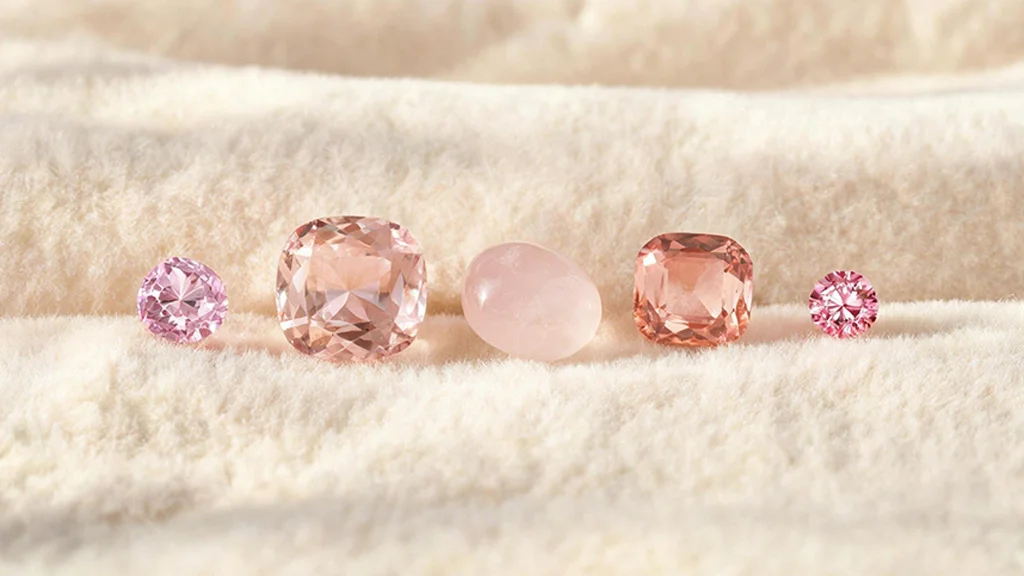
Pink is one of the most requested gemstone colors in fine jewelry today, and for good reason. It reads as romantic without being loud, it flatters nearly every metal tone, and it spans an enormous range of price points — from a rose quartz pendant that costs less than a coffee to a fancy vivid pink diamond that can outprice a house. But "pink gemstone" is not one material — it is a color that appears across more than a dozen unrelated mineral families, each with its own hardness, treatment history, and ideal use in jewelry.
This guide breaks down pink gemstones by category — precious, semi-precious, and rare or collector-grade — and gives you the practical information competitors' lists tend to skip: Mohs hardness, common treatments, rarity, and which stones actually hold up to daily wear. Whether you're a retail buyer choosing an engagement ring or a brand sourcing gemstone jewelry at scale, this guide will help you match the right pink stone to the right piece.
What Causes Pink Coloring in Gemstones
Pink coloring in gemstones comes from one of two sources. In most colored stones, trace elements absorbed during crystal formation are responsible: manganese produces the pink in morganite and rhodochrosite, chromium tints pink sapphire and some pink tourmaline, and iron and titanium combine to create the soft blush of rose quartz. In pink diamonds, the cause is different — the color comes from a structural distortion in the crystal lattice that forms under extreme pressure, not from a trace element at all, which is part of why natural pink diamonds are so much rarer than other pink stones.
Precious Pink Gemstones
Precious pink gemstones combine rarity, hardness, and market recognition. They command the highest prices per carat and are the standard choice for investment-grade jewelry.
Pink Diamond
Pink diamonds are fancy color diamonds, graded on a separate color scale from colorless diamonds (Faint, Fair, Light, Fancy Light, Fancy, Fancy Intense, Fancy Vivid Pink). Their color comes from a rare distortion in the crystal structure rather than a trace element, which is why natural, untreated pink diamonds remain so scarce. At a Mohs hardness of 10, they are the most durable gemstone available and suit any jewelry type, including daily-wear rings. Certification from a recognized laboratory — GIA is the industry standard — is essential, since color grade and treatment status drive the majority of a pink diamond's value.
Pink Sapphire
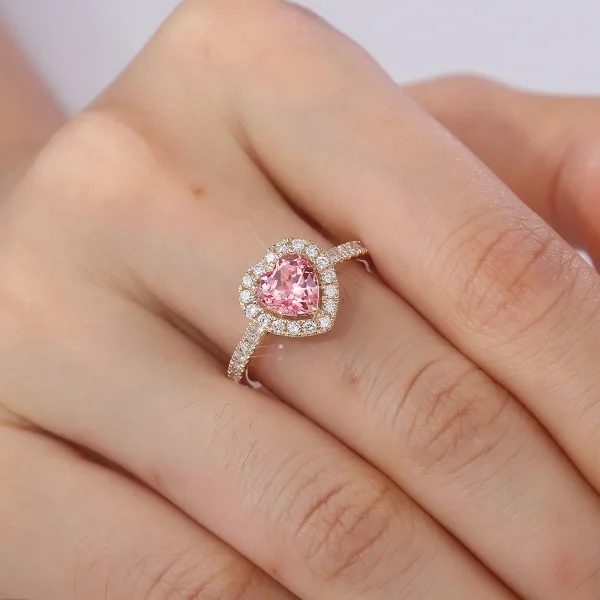
Pink sapphire is corundum colored by chromium — the same mineral species as ruby, with color intensity being the main distinction between the two. At a Mohs hardness of 9, pink sapphire is the second-hardest natural gemstone and one of the most practical choices for everyday jewelry. Most pink sapphire on the market is heat-treated to improve clarity and color; untreated stones are rarer and priced at a premium. Because corundum deposits are found in multiple countries, pink sapphire is also one of the more consistently available precious pink stones, which keeps pricing comparatively stable.
Padparadscha Sapphire
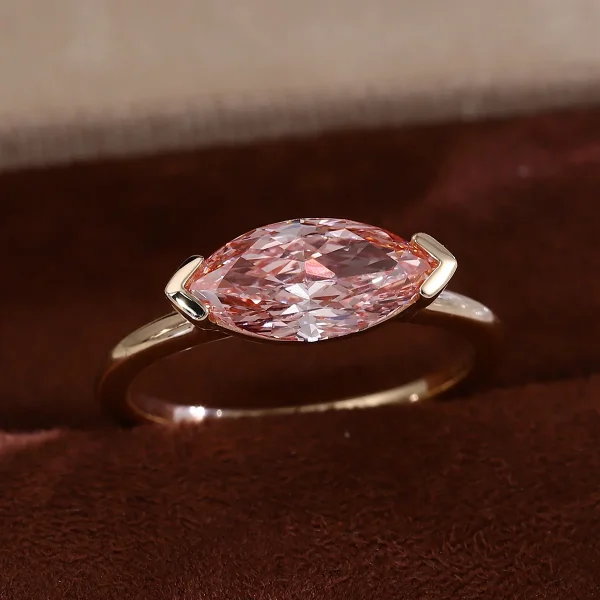
Padparadscha is a rare corundum variety showing a balanced blend of pink and orange, reminiscent of a lotus flower or sunset. Because the color must sit in a narrow band — too much orange and it's classified as an orange sapphire, too much pink and it's a pink sapphire — genuinely fine padparadscha is exceptionally rare. Most stones on the market are heat-treated; untreated padparadscha commands significant premiums and is best purchased with origin and treatment certification from a recognized lab.
Semi-Precious Pink Gemstones
Semi-precious pink gemstones offer excellent durability and color at a fraction of the price of diamond or sapphire, making them the most popular category for خواتم الخطوبة and everyday fine jewelry.
مورغانيت
A pink-to-peach member of the beryl family (related to emerald and aquamarine), morganite gets its color from manganese. It has become one of the most popular alternative engagement ring stones over the past decade thanks to its soft, romantic color, good hardness (7.5–8 on the Mohs scale), and accessible pricing. Most morganite is heat-treated to remove yellow undertones and intensify the pink.
Pink Tourmaline and Rubellite
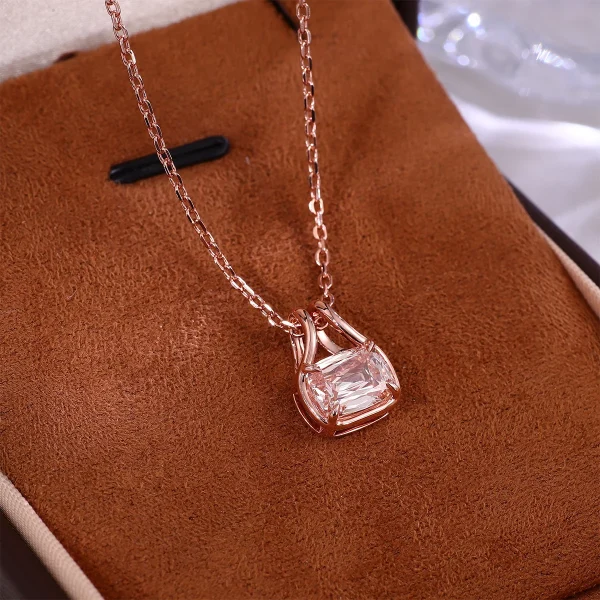
Tourmaline occurs in more colors than almost any other gem family, and pink is among the most sought-after. Pink tourmaline ranges from pale pastel to vivid hot pink; the deepest pink-red variety is called rubellite and commands significantly higher prices. With a hardness of 7–7.5, it's suitable for most jewelry types, and much of the material on the market is untreated.
Rose Quartz
The most widely available pink gemstone, rose quartz gets its soft, milky pink from trace iron, manganese, and titanium. It typically forms in large crystals, making it a popular choice for statement pieces, beads, and carvings, and it is almost always sold untreated. At a hardness of 7, it holds up well in daily wear, though its lack of brilliance (it's translucent rather than transparent) sets it apart visually from faceted precious stones.
Pink Spinel
Long overshadowed by ruby and sapphire — many historic "rubies," including stones in European crown jewels, later proved to be spinel — pink spinel is now recognized as a genuinely undervalued gemstone. It has excellent hardness (8 on the Mohs scale), strong brilliance, and is usually sold untreated, which appeals to buyers who prioritize natural, unenhanced stones.
Pink Topaz
Natural pink topaz is genuinely rare; most pink topaz sold commercially is heat-treated or irradiated from brown or colorless material. Treatment is stable and widely accepted in the trade, but it creates a significant price gap between natural and treated stones, so always confirm treatment status before buying. At a hardness of 8, it wears well in most jewelry settings.
Pink Garnet (Rhodolite)
Rhodolite garnet offers a raspberry-pink to purplish-pink color at a hardness of 7–7.5, with excellent natural clarity and virtually no treatment in the market. It's an efficient way to get precious-stone color and durability at a semi-precious price point.
Rare and Collector Pink Gemstones
These stones are prized for color, rarity, or unusual optical effects, but most have lower hardness and require more careful jewelry placement — earrings and pendants rather than rings.
كونزيت
A pink-to-lilac variety of spodumene, kunzite has a delicate, glowing color and pronounced pleochroism (it can look different shades from different angles). Its color fades with prolonged exposure to heat and strong light, and it has perfect cleavage, meaning it can split along flat planes if struck. Best reserved for pendants and earrings, stored away from direct light.
Rhodochrosite
Rhodochrosite is prized for its swirling pink-and-white banding rather than transparency — most material is opaque to translucent, with fully transparent crystals being extremely rare and highly collectible. At a hardness of only 3.5–4.5, it is unsuitable for rings and best set in pendants or earrings that avoid impact.
Rhodonite
Rhodonite pairs a pink base with distinctive black manganese-oxide veining, giving it an easily recognizable, marbled look. It's almost always untreated, with a hardness of 5.5–6.5 — durable enough for cabochon earrings and pendants, but not ideal for rings subject to daily knocks.
Pink Opal
Pink opal is a rare variety of common opal that does not show the play-of-color effect associated with precious opal — instead, it has a soft, uniform pink-to-peach body color. At 5.5–6 on the Mohs scale and prone to drying out in low humidity, it needs gentler handling and is best suited to earrings and pendants rather than rings.
Pink Pearl
Naturally pink Akoya and freshwater pearls (sometimes called "rosé" pearls in the trade) are prized for their soft luster. At a hardness of only 2.5–3, pearls scratch easily and are traditionally set in necklaces and earrings rather than rings, where daily contact would dull the surface.
Pink Gemstone Comparison: Hardness, Treatment, and Best Use
Use this table as a quick reference when matching a pink gemstone to a specific piece of jewelry. As a general rule, anything below 7 on the Mohs hardness scale is better suited to earrings or pendants than to a ring worn daily.
حجر كريم | صلابة موس | Typical Treatment | Rarity Tier | Best Jewelry Use |
Pink Diamond | 10 | Usually untreated (rare); some HPHT/irradiated | Extremely rare | Any — engagement rings, heirloom pieces |
Pink Sapphire | 9 | Commonly heat-treated | متوفر على نطاق واسع | Daily-wear rings, all jewelry types |
Padparadscha Sapphire | 9 | Commonly heat-treated | Extremely rare | Statement rings, collector pieces |
Pink Spinel | 8 | Usually untreated | Uncommon, undervalued | Rings, earrings, pendants |
مورغانيت | 7.5–8 | Commonly heat-treated | متوفر على نطاق واسع | Engagement rings, everyday wear |
Pink Topaz | 8 | Often treated (heat/irradiation) | Natural is rare; treated is common | Rings, necklaces |
Pink Tourmaline / Rubellite | 7–7.5 | Sometimes heat-treated or irradiated | متوفر على نطاق واسع | All jewelry types |
Pink Garnet (Rhodolite) | 7–7.5 | Untreated | متوفر على نطاق واسع | Rings, everyday jewelry |
Rose Quartz | 7 | Untreated | Abundant | Pendants, beads, statement pieces |
كونزيت | 6.5–7 | Untreated; fades in light/heat | Uncommon | Earrings, pendants (avoid daily rings) |
Pink Opal | 5.5–6 | Untreated | Rare in fine quality | Earrings, pendants only |
Rhodonite | 5.5–6.5 | Untreated | متوفر على نطاق واسع | Cabochon earrings, pendants |
Rhodochrosite | 3.5–4.5 | Untreated | Rare in transparent form | Pendants, earrings only |
Pink Pearl | 2.5–3 | Sometimes dyed | متوفر على نطاق واسع | Necklaces, earrings only |
How to Choose the Right Pink Gemstone
Match the Stone to the Jewelry Type
- الخواتم: choose stones with a Mohs hardness of 7.5 or higher — pink diamond, pink sapphire, pink spinel, morganite, pink topaz, and pink tourmaline all perform well with daily wear.
- أقراط: the safest setting for any stone, since earrings rarely make hard contact with surfaces — kunzite, pink opal, and rhodonite can all be worn here without excess risk.
- Pendants and necklaces: offer moderate protection and work well for rhodochrosite, pink pearl, and rose quartz, since the stone sits away from the hands.
Match the Stone to Your Budget
Rose quartz and pink garnet deliver color and durability at entry-level prices. Morganite and pink tourmaline sit in the mid-range and are the most popular choices for engagement rings that need both budget-consciousness and daily-wear durability. Pink sapphire, spinel, and padparadscha move into premium territory, while natural pink diamonds occupy the top of the market and are typically purchased as investment pieces as much as jewelry.
Consider Color Undertone
Pink gemstones range from cool, true pink (pink sapphire, pink tourmaline) to warm, peach-toned pink (morganite, padparadscha). Cooler pinks generally pair best with white gold or platinum, while warmer pinks complement rose and yellow gold. Buyers with a strong preference for color stability should also note that a small number of pink stones — kunzite in particular — can fade with prolonged light exposure, while rose quartz, sapphire, and diamond hold their color indefinitely.
Authenticity, Treatment Disclosure, and Certification
Because treatment is common across nearly every pink gemstone category, third-party certification matters more here than with many other colors. For diamonds, request a report from the Gemological Institute of America (GIA) confirming color grade, clarity, and treatment status. For colored stones — sapphire, spinel, tourmaline, and morganite — labs such as GIA, AGL, SSEF, and Gübelin issue reports covering species identification, origin (where determinable), and treatment disclosure. A reputable seller will always disclose treatment status upfront; if a price seems unusually low for an "untreated" stone, request documentation before purchasing.
How Provence Jewellery Sources and Sets Pink Gemstones
As an OEM/ODM fine jewelry manufacturer, Provence Jewellery works across the full spectrum of pink gemstone materials covered in this guide — natural pink sapphire and morganite, lab-grown pink diamond and pink sapphire alternatives, moissanite with pink coatings or pink-toned settings, and cubic zirconia for accessible, high-volume product lines. Every natural stone is sourced with treatment disclosure from our suppliers, and every finished piece is quality-checked on the bench before it ships, whether the order is a single custom commission or a multi-thousand-unit wholesale run.
For brand partners developing a pink gemstone jewelry line, our team can advise on which stones suit which price tier and durability requirement — from entry-level rose quartz collections to fine pink sapphire bridal lines — and can produce matched sets at a scale that natural, one-of-a-kind stones like kunzite or padparadscha typically cannot support.
الأسئلة الشائعة
Natural, untreated pink diamonds are the rarest pink gemstone, followed closely by fine padparadscha sapphire. Both derive their scarcity from very specific formation conditions that occur in only a handful of deposits worldwide.
Pink diamond (Mohs 10) and pink sapphire (Mohs 9) are the most durable options, followed by pink spinel and pink topaz (8) and morganite (7.5–8). All are suitable for rings worn daily.
Yes. Lab-grown pink diamonds and pink sapphires offer the same visual color and (for lab-grown diamond) identical physical properties at a significantly lower cost. Morganite, pink tourmaline, and pink garnet are natural, durable alternatives at accessible price points, and moissanite or cubic zirconia can replicate pink diamond's brilliance for entry-level pieces.
Stones below roughly 7 on the Mohs scale — pink opal, rhodonite, kunzite, rhodochrosite, and pink pearl — are better suited to earrings, pendants, or necklaces than to rings, which face daily impact and abrasion.
Most pink gemstones get their color from trace elements absorbed during formation — manganese, chromium, or iron, depending on the mineral. Pink diamond is the exception: its color comes from a structural distortion in the crystal lattice rather than a trace element.