Bagues de promesse

A promise ring is a quieter kind of commitment — one that says “I’m yours” without the formality of an engagement. Gold is the metal most couples choose to make that promise last, since it resists tarnish, holds its color for years, and ages well with daily wear.

Par prix
Par style
Par Stone Carat
Par couleur de pierre

Bague de promesse en or 14 carats avec diamant rond de laboratoire de 0,13 carat
Gamme de prix : de $489.85 à $957.69
Une délicate bague de promesse en or 14 carats ornée d'un magnifique diamant rond de 0,13 carat, créé en laboratoire. Son design élégant et symbolique en fait le symbole parfait d'engagement et de dévotion.

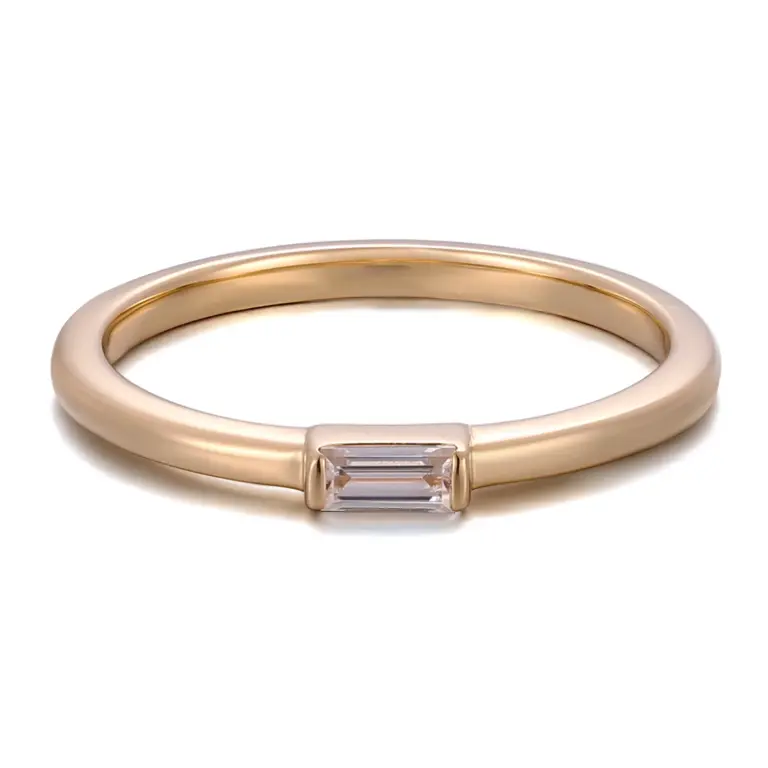
Bague de promesse en or 14 carats sertie d'un diamant de laboratoire émeraude.

Gamme de prix : de $506.67 à $974.51
Confectionnée en or 14 carats, cette bague de promesse met en valeur un diamant de laboratoire taille émeraude, serti clos avec modernité. Son design minimaliste en fait un symbole fort d'engagement et de dévotion.
Sélectionner les options Ce produit existe en plusieurs variantes. Les options peuvent être sélectionnées sur la page du produit.
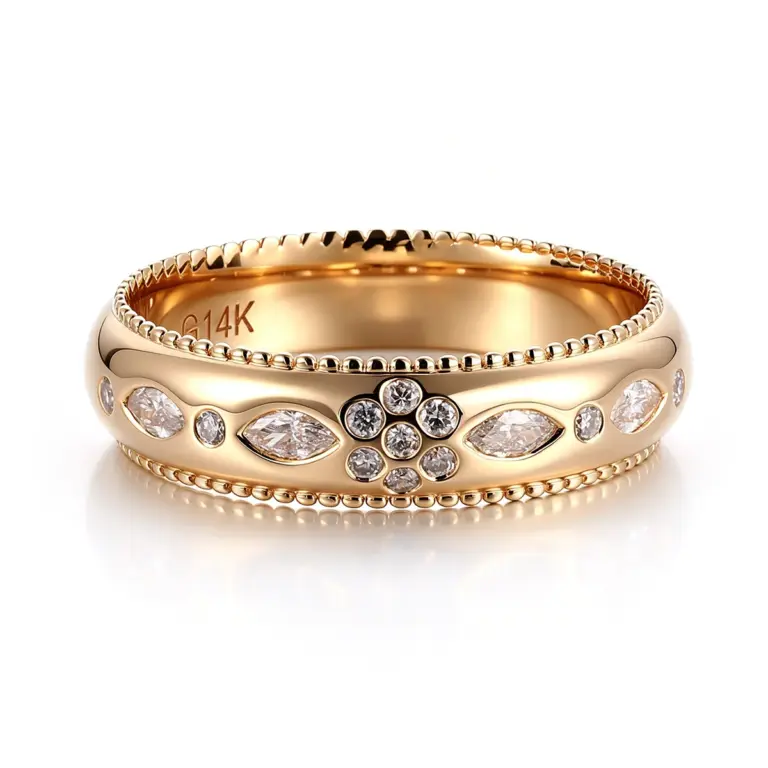
Bague de promesse en or 14 carats avec diamant marquise de laboratoire
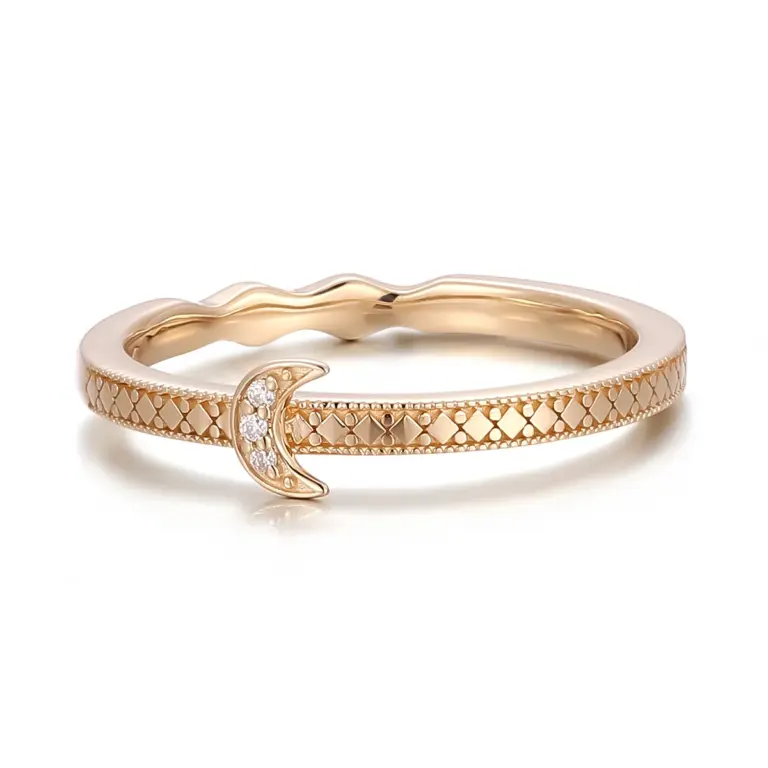
Gamme de prix : de $554.58 à $1,061.10
A delicate 14K gold promise ring showcasing a beautiful 0ct marquise lab grown diamond. Its elegant and meaningful design makes it a perfect symbol of commitment and devotion.

Bague de promesse en or 14 carats sertie d'un diamant rond de laboratoire.

Gamme de prix : de $535.21 à $1,054.28
Simple et pourtant si significative, cette bague de promesse en or 14 carats est ornée d'un diamant rond de synthèse d'une brillance exceptionnelle, serti sur griffes. Un symbole intemporel d'amour, d'engagement et de fidélité.
Sélectionner les options Ce produit existe en plusieurs variantes. Les options peuvent être sélectionnées sur la page du produit.


Why Choose Gold for a Promise Ring

Gold has been the default choice for commitment jewelry for centuries, and for promise rings specifically, it solves a practical problem: these rings are meant to be worn constantly, often for years, before an engagement ring ever comes along.

14K vs. 18K gold. 14K gold (58.3% pure) is the more popular choice for promise rings because its higher alloy content makes it more scratch- and dent-resistant — ideal for a ring worn daily through work, workouts, and everything in between. 18K gold (75% pure) has a richer, warmer color and is a good option for those who want a more luxurious finish and don't mind slightly more careful wear.

Choosing a gold color.

    • Yellow gold is the traditional choice and pairs well with warmer skin tones and vintage-inspired settings.
    • White gold gives a platinum-like look at a lower price point and suits those who prefer a modern, minimalist aesthetic.
    • Rose gold has become the most requested shade for promise rings in recent years, prized for its romantic, slightly vintage warmth.

Solid gold vs. gold-plated. Solid gold promise rings cost more upfront but keep their color and value over time. Gold-plated or gold-filled rings are more affordable entry points, but the plating can wear thin with daily contact, lotion, and water — something worth factoring in for a ring intended to be worn long-term.

Built for everyday wear. Unlike an engagement ring, a promise ring isn't usually insured or treated as a "special occasion only" piece — it's worn to work, to the gym, in the shower. That's why band thickness, prong security, and stone setting matter as much as design here. Bezel and flush settings tend to hold up better for active lifestyles, while pavé and halo settings offer more sparkle for those who want a statement piece.

Promise Rings: Frequently Asked Questions

Q1. What's the difference between a promise ring and an engagement ring?

A promise ring symbolizes commitment, loyalty, or intention without a formal proposal — it can be given at any point in a relationship. An engagement ring specifically signals an agreement to marry. Promise rings are also typically simpler and less expensive than engagement rings.

Q2. Is 14K or 18K gold better for a promise ring?

14K gold is generally better for everyday durability since its higher metal content resists scratches and dents. 18K gold has a deeper, richer color but is softer and shows wear more easily. Most promise rings are made in 14K for this reason.

Q3. Can a promise ring be gold and still be affordable?

Yes. Gold promise rings vary widely in price depending on karat, gold weight, and stone size. A thin band in 10K or 14K gold with a small accent stone is significantly more affordable than a solitaire diamond setting, while still being solid gold.

Q4. Which finger should a gold promise ring be worn on?

There's no fixed rule. Many people wear it on the left ring finger before engagement, then move it to the right hand or a different finger once an engagement ring is given. Others prefer to wear it on the right hand from the start to avoid confusion.

Q5. Will a gold promise ring tarnish?

Solid gold (10K and above) does not tarnish, though it can develop minor surface scratches over time that can be polished out. Gold-plated rings are more prone to fading or thinning with regular wear.

Q6. Can men wear gold promise rings too?

Yes. Promise rings aren't gender-specific, and gold bands — particularly simpler, lower-profile designs — are a popular choice for men's promise rings as well as women's.