Verlobungsringe

A promise ring is a quieter kind of commitment — one that says “I’m yours” without the formality of an engagement. Gold is the metal most couples choose to make that promise last, since it resists tarnish, holds its color for years, and ages well with daily wear.

Nach Gesteinsart
Nach Preis
Nach Stil
Von Stone Carat
Nach Steinfarbe

Verlobungsring aus 14-karätigem Gold mit rundem, im Labor gezüchtetem Diamanten (0,13 ct)
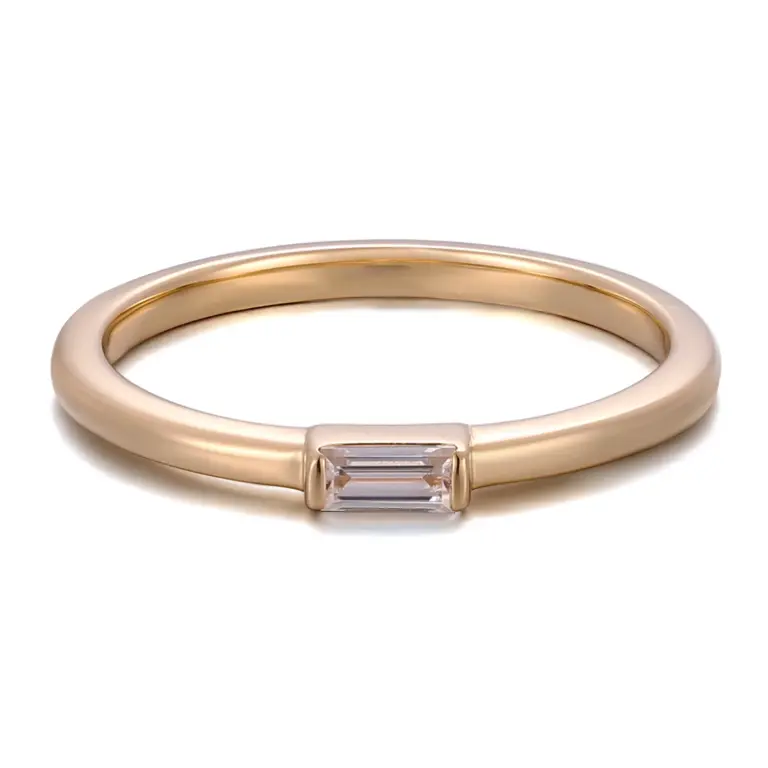
Preisspanne: $489.85 bis $957.69
Ein zarter Verlobungsring aus 14-karätigem Gold mit einem wunderschönen, 0,13 ct schweren, im Labor gezüchteten Diamanten im Brillantschliff. Sein elegantes und bedeutungsvolles Design macht ihn zum perfekten Symbol für Verbundenheit und Treue.

Verlobungsring aus 14-karätigem Gold mit Smaragd und im Labor gezüchteten Diamanten

Preisspanne: $506.67 bis $974.51
Dieser Verlobungsring aus 14-karätigem Gold präsentiert einen atemberaubenden, im Labor gezüchteten Diamanten im Smaragdschliff in einer modernen Fassung. Sein minimalistisches Design macht ihn zu einem bedeutungsvollen Symbol für Verbundenheit und Treue.
Optionen auswählen Dieses Produkt ist in mehreren Varianten erhältlich. Die Optionen können auf der Produktseite ausgewählt werden.
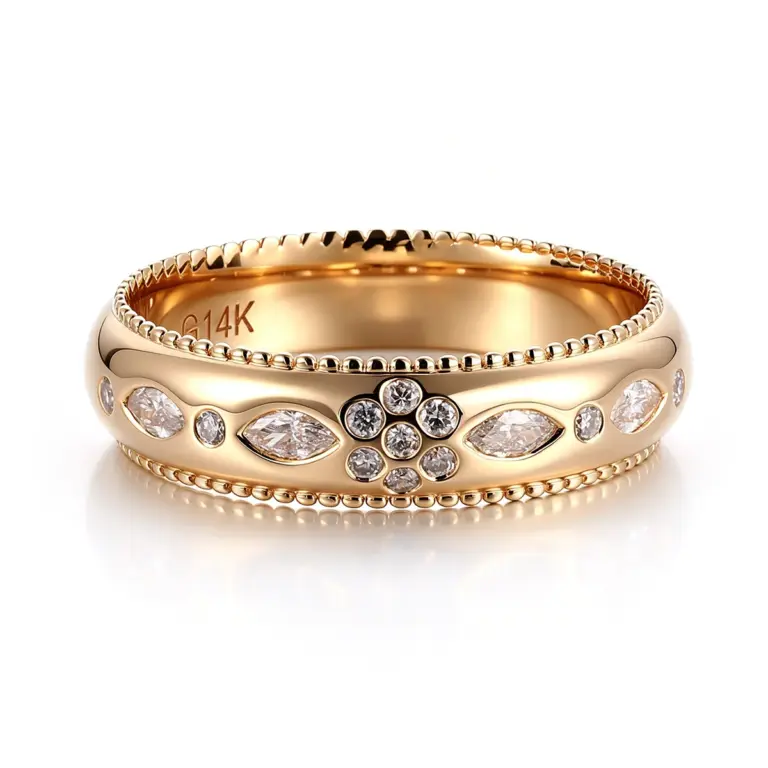
Verlobungsring aus 14-karätigem Gold mit Marquise-Schliff und im Labor gezüchtetem Diamanten
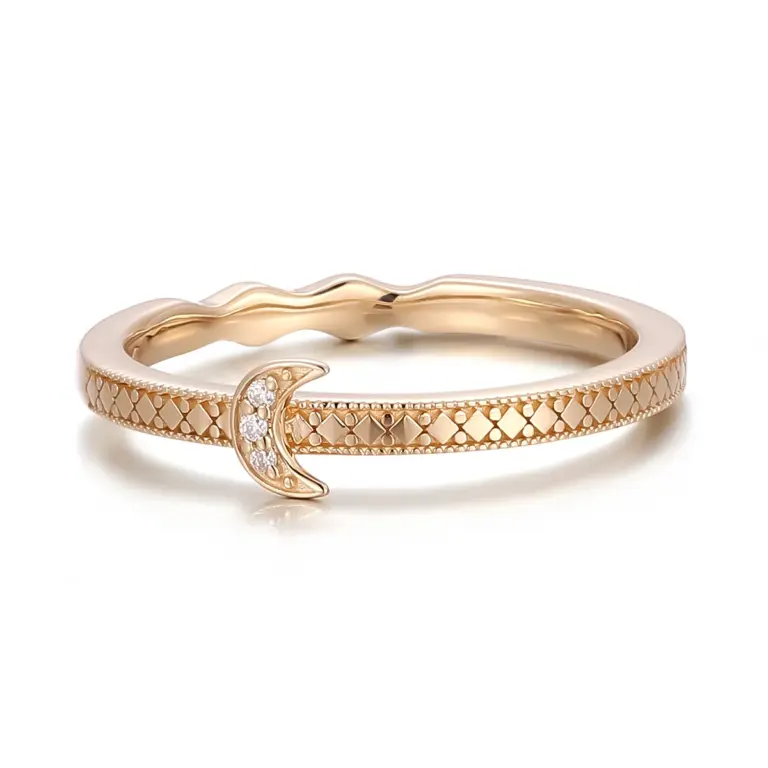
Preisspanne: $554.58 bis $1,061.10
A delicate 14K gold promise ring showcasing a beautiful 0ct marquise lab grown diamond. Its elegant and meaningful design makes it a perfect symbol of commitment and devotion.

Verlobungsring aus 14-karätigem Gold mit rundem, im Labor gezüchtetem Diamanten in Krappenfassung

Preisspanne: $535.21 bis $1,054.28
Schlicht und doch bedeutungsvoll: Dieser Verlobungsring aus 14-karätigem Gold besticht durch einen strahlenden, im Labor gezüchteten Diamanten in klassischer Krappenfassung. Ein zeitloses Symbol für Liebe, Verbundenheit und Treue.
Optionen auswählen Dieses Produkt ist in mehreren Varianten erhältlich. Die Optionen können auf der Produktseite ausgewählt werden.


Why Choose Gold for a Promise Ring

Gold has been the default choice for commitment jewelry for centuries, and for promise rings specifically, it solves a practical problem: these rings are meant to be worn constantly, often for years, before an engagement ring ever comes along.

14K vs. 18K gold. 14K gold (58.3% pure) is the more popular choice for promise rings because its higher alloy content makes it more scratch- and dent-resistant — ideal for a ring worn daily through work, workouts, and everything in between. 18K gold (75% pure) has a richer, warmer color and is a good option for those who want a more luxurious finish and don't mind slightly more careful wear.

Choosing a gold color.

    • Yellow gold is the traditional choice and pairs well with warmer skin tones and vintage-inspired settings.
    • White gold gives a platinum-like look at a lower price point and suits those who prefer a modern, minimalist aesthetic.
    • Rose gold has become the most requested shade for promise rings in recent years, prized for its romantic, slightly vintage warmth.

Solid gold vs. gold-plated. Solid gold promise rings cost more upfront but keep their color and value over time. Gold-plated or gold-filled rings are more affordable entry points, but the plating can wear thin with daily contact, lotion, and water — something worth factoring in for a ring intended to be worn long-term.

Built for everyday wear. Unlike an engagement ring, a promise ring isn't usually insured or treated as a "special occasion only" piece — it's worn to work, to the gym, in the shower. That's why band thickness, prong security, and stone setting matter as much as design here. Bezel and flush settings tend to hold up better for active lifestyles, while pavé and halo settings offer more sparkle for those who want a statement piece.

Promise Rings: Frequently Asked Questions

Q1. What's the difference between a promise ring and an engagement ring?

A promise ring symbolizes commitment, loyalty, or intention without a formal proposal — it can be given at any point in a relationship. An engagement ring specifically signals an agreement to marry. Promise rings are also typically simpler and less expensive than engagement rings.

Q2. Is 14K or 18K gold better for a promise ring?

14K gold is generally better for everyday durability since its higher metal content resists scratches and dents. 18K gold has a deeper, richer color but is softer and shows wear more easily. Most promise rings are made in 14K for this reason.

Q3. Can a promise ring be gold and still be affordable?

Yes. Gold promise rings vary widely in price depending on karat, gold weight, and stone size. A thin band in 10K or 14K gold with a small accent stone is significantly more affordable than a solitaire diamond setting, while still being solid gold.

Q4. Which finger should a gold promise ring be worn on?

There's no fixed rule. Many people wear it on the left ring finger before engagement, then move it to the right hand or a different finger once an engagement ring is given. Others prefer to wear it on the right hand from the start to avoid confusion.

Q5. Will a gold promise ring tarnish?

Solid gold (10K and above) does not tarnish, though it can develop minor surface scratches over time that can be polished out. Gold-plated rings are more prone to fading or thinning with regular wear.

Q6. Can men wear gold promise rings too?

Yes. Promise rings aren't gender-specific, and gold bands — particularly simpler, lower-profile designs — are a popular choice for men's promise rings as well as women's.