
ما هو حجر بخت شهر نوفمبر؟ دليل التوباز والسترين
- بقلم فريق بروفانس
- Updated on سبتمبر 5, 2026
جدول المحتويات
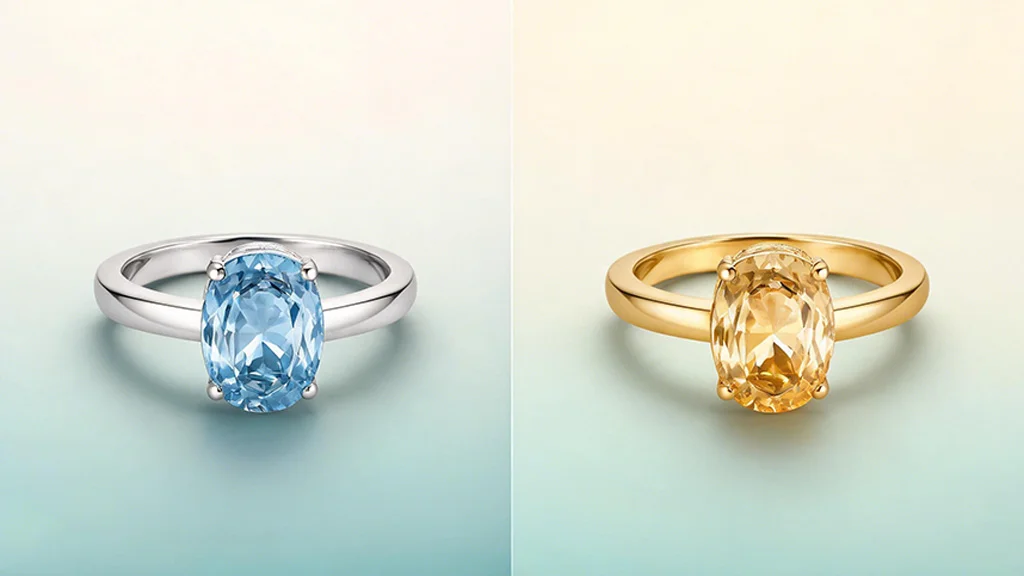
يُعدّ شهر نوفمبر من الأشهر القليلة التي تتميز بحجرين كريمين رسميين: التوباز والسترين. يشترك الحجران في تاريخ ذهبي دافئ، وسمعة طيبة في إضفاء الهدوء والصفاء والثقة الهادئة، إلا أنهما ينتميان إلى عائلتين معدنيتين مختلفتين تمامًا، ويختلفان في الصلابة ونطاق الألوان والأسعار. يغطي هذا الدليل كل ما يحتاجه مواليد شهر نوفمبر من مشترين أو مُهدين أو تجار مجوهرات، بدءًا من الحقائق الجيولوجية وصولًا إلى إرشادات الشراء العالمية.
إجابة سريعة
أحجار شهر نوفمبر هي التوباز والسترين. التوباز معدن سيليكاتي صلب وملون (صلابة 8 على مقياس موس) يشتهر بلونه البرتقالي الإمبراطوري والأزرق المعالج، بينما السترين كوارتز ذهبي مصفر (صلابة 7 على مقياس موس) يُقدّر لتوهجه الدافئ والمتوفر بأسعار معقولة. يرمز كلا الحجرين إلى الصفاء والدفء والهدوء.
حقائق سريعة عن أحجار بخت شهر نوفمبر
يصف | التوباز | سيترين |
عائلة المعادن | سيليكات | كوارتز |
الصلابة (مقياس موس) | 8 | 7 |
مجموعة الألوان | عديم اللون، أزرق، وردي، برتقالي ذهبي إمبراطوري، أحمر نادر | من لون الليمون الفاتح إلى لون العسل الداكن / برتقال ماديرا |
الرمزية | القوة، والوضوح، والحماية | فرح، دفء، وفرة |
الأبراج | برج العقرب / برج القوس | برج العقرب / برج القوس |
ذكرى الزواج | الرابع (الأزرق) والثالث والعشرون (الإمبريالي) | الثالث عشر |
النطاق السعري النموذجي للبيع بالتجزئة (بالدولار الأمريكي) | $50 – $1,200+ (النسخة الإمبراطورية أندر وأعلى) | $30 – $400 (الأحجار المقطوعة طبيعياً أغلى ثمناً) |
النطاق السعري النموذجي للبيع بالتجزئة (جنيه إسترليني) | 40 جنيهًا إسترلينيًا - 950 جنيهًا إسترلينيًا فأكثر | 25 جنيهًا إسترلينيًا - 320 جنيهًا إسترلينيًا |
النطاق السعري النموذجي للبيع بالتجزئة (باليورو) | 45 يورو - 1100 يورو فأكثر | 28 يورو - 370 يورو |
مثالي للاستخدام اليومي | الأقراط، والقلائد (الخواتم تحتاج إلى عناية) | خواتم، قلادات، أقراط |
تعكس نطاقات الأسعار المذكورة أعلاه أسعار التجزئة النموذجية للأحجار الكريمة المصقولة والمجوهرات الجاهزة في أسواق الولايات المتحدة والمملكة المتحدة والاتحاد الأوروبي اعتبارًا من عام 2026، وتختلف حسب وزن القيراط والمعالجة ومعدن التثبيت.
التوباز: حجر البخت الرئيسي لشهر نوفمبر
تاريخ ومعنى التوباز
لطالما حمل التوباز رمزيةً عظيمةً على مرّ آلاف السنين. ويُعتقد أن اسمه مشتقّ إما من الكلمة السنسكريتية "تاباس" التي تعني "نار"، أو من جزيرة توبازيوس اليونانية. اعتقد الإغريق القدماء أن هذا الحجر يمنح من يرتديه قوةً، بينما اعتقد الأوروبيون في العصور الوسطى، من حوالي القرن الرابع عشر إلى القرن السابع عشر الميلادي، أن التوباز قادر على تبديد الغضب ودرء السحر الأسود. وفي الهند، كان يُعتقد منذ القدم أن ارتداء التوباز فوق القلب يجلب طول العمر والجمال والذكاء.
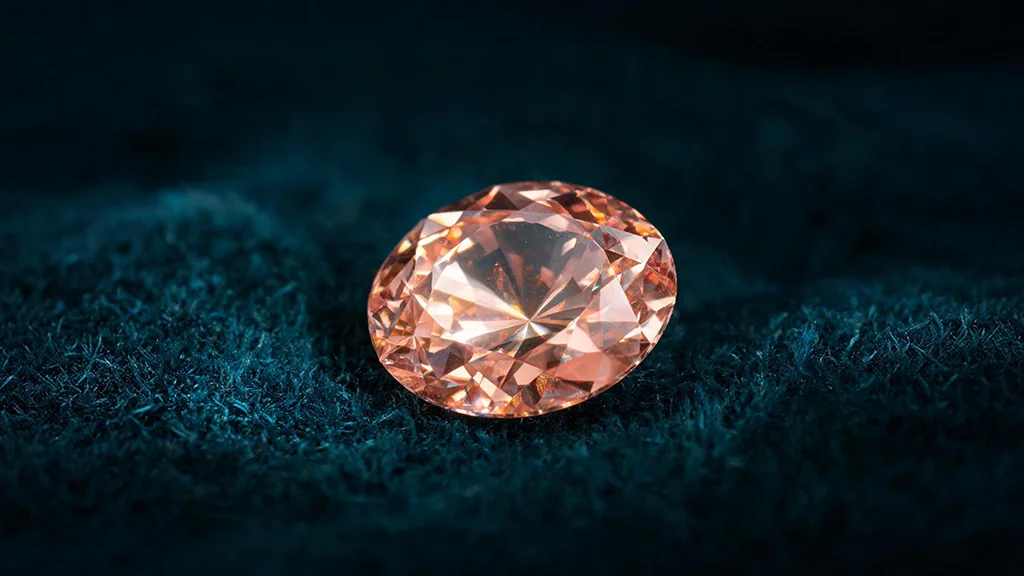
أكثر أنواع التوباز شهرةً هو التوباز الإمبراطوري، وهو حجر نادر ذو لون برتقالي مائل للوردي. وتُنسب إحدى الروايات تسميته إلى العائلة المالكة الروسية، التي احتفظت بأجود العينات المستخرجة من جبال الأورال لاستخدامها الخاص؛ بينما تربط رواية أخرى شائعة في البرازيل الاسم بهدية من التوباز الأحمر قُدّمت عام 1881 إلى الإمبراطور البرازيلي بيدرو الثاني.
يمثل التوباز الأزرق الذكرى السنوية الرابعة للزواج، بينما يعتبر التوباز الإمبراطوري الهدية التقليدية للذكرى السنوية الثالثة والعشرين.
مجموعة ألوان التوباز
صنف التوباز | أصل اللون | ملحوظات |
توباز إمبراطوري | لون طبيعي وردي برتقالي إلى ذهبي خوخي، نادرًا ما يُعالج | أندر أنواع الأصناف وأكثرها قيمة؛ ارتباطات ملكية تاريخية |
توباز أزرق (سماء، سويسري، لندن) | توباز عديم اللون مُشعّع ومعالج حرارياً | لون التوباز الأكثر توفراً على نطاق واسع؛ مناسب للميزانية |
توباز وردي | طبيعي، نادر جداً؛ معظم اللون الوردي التجاري معالج حرارياً. | تُعتبر هذه المواد الباكستانية مرغوبة كهدايا رومانسية؛ وهي تتميز بجودتها العالية. |
توباز غامض | توباز عديم اللون مغطى بطبقة رقيقة اصطناعية | تأثير قوس قزح ناتج عن الطلاء؛ يتطلب تنظيفًا لطيفًا لحماية الطبقة النهائية |
توباز عديم اللون (أبيض) | لا توجد عناصر نزرة ذات أهمية | يُستخدم أحيانًا كبديل ميسور التكلفة للألماس |
أين يوجد التوباز
تُعدّ ولاية ميناس جيرايس البرازيلية من أهم مصادر التوباز في العالم، حيث تُنتج التوباز الأصفر والبرتقالي والأحمر والوردي والبنفسجي منذ أكثر من قرنين. أما تلة غونداو في شمال غرب باكستان، فتشتهر بتوباز "زهرة بخور مريم" الوردي النادر ذي اللون البنفسجي. وتشمل المصادر الأخرى ناميبيا ونيجيريا ومدغشقر والمكسيك وميانمار وسريلانكا وروسيا والولايات المتحدة.
صلابة التوباز ومتانته والعناية به
يبلغ التوباز 8 على مقياس موس للصلابة، وهو صلب ولكنه ضعيف الصلابة نسبيًا - إذ يمكن أن يتشقق أو يتكسر على طول مستويات الانفصام الداخلية إذا تعرض للضرب. وهو الأنسب لـ أقراط والقلائد التي تتعرض لصدمات أقل من الخواتم. نظّف التوباز بالماء الدافئ والصابون فقط؛ تجنّب استخدام أجهزة التنظيف بالبخار أو الموجات فوق الصوتية، لأنها قد تُسبب تشققات داخلية بفعل الحرارة. يجب تنظيف التوباز الصوفي بمحلول صابون خفيف فقط، لأن المنظفات الكاشطة قد تُتلف طبقة الطلاء الخارجية.
السترين: حجر بخت شهر نوفمبر الثاني
تاريخ ومعنى حجر السترين
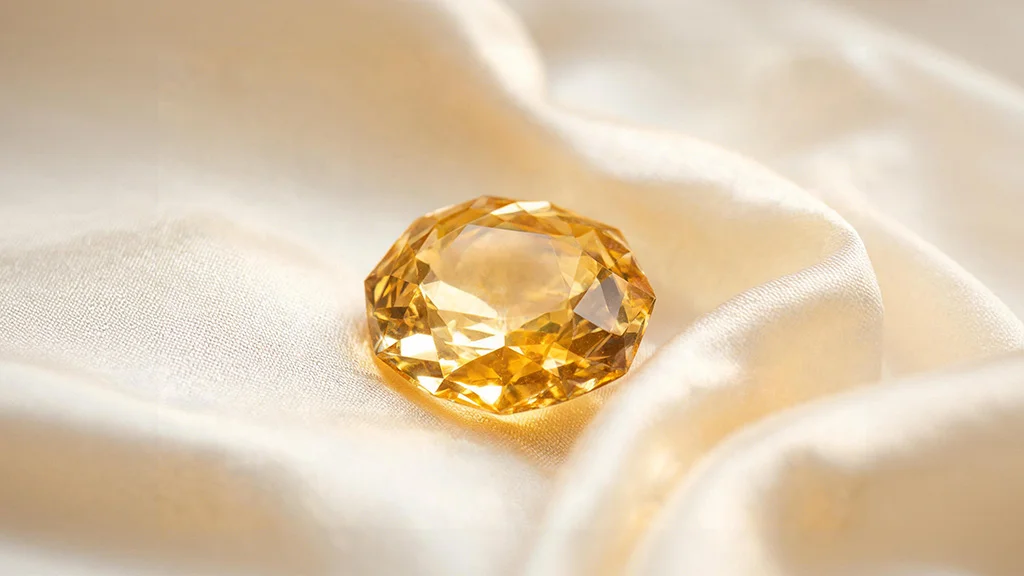
السترين هو نوع شفاف من الكوارتز يتراوح لونه بين الأصفر والبرتقالي المائل للبني، وقد استُخدم في صناعة المجوهرات منذ القدم، إذ يعود تاريخ أقدم مجوهرات السترين المعروفة إلى اليونان الهلنستية، حوالي 300-150 قبل الميلاد. ويُرجّح أن اسمه مشتق من الكلمة الفرنسية "citron" (ليمون) أو الكلمة اللاتينية "citrina". ونظرًا لتشابه لون السترين مع التوباز، فقد اختلط الأمر تاريخيًا بين الحجرين، واكتسب السترين العديد من الخصائص الشعبية للتوباز، بما في ذلك الاعتقاد بقدرته على تهدئة الأعصاب ومنح من يرتديه شعورًا بالراحة.
كان حجر السترين رائجاً بشكل خاص في مجوهرات العصر الفيكتوري وفن الآرت نوفو، وغالباً ما كان يُرصّع في خواتم ودبابيس مزخرفة، ولا يزال يُعتبر الهدية التقليدية للاحتفال بالذكرى السنوية الثالثة عشرة للزواج. وفي التراث الشعبي، كان يُطلق عليه أحياناً اسم "حجر التاجر" أو "حجر المال"، وكان يُحمل كتميمة لجلب الرخاء.
السترين الطبيعي مقابل السترين المعالج حرارياً
هذا أحد أكثر أسئلة المشترين شيوعًا، وهو مهم لكل من السعر والشفافية. يُنتج معظم السترين المتوفر في السوق اليوم عن طريق المعالجة الحرارية للأميثيست أو الكوارتز الدخاني، مما يُغير لونه إلى الأصفر الدافئ أو البرتقالي. أما السترين الطبيعي غير المعالج فهو نادر حقًا، وأشهر مصادره هو منجم أناهي في بوليفيا, ، تم اكتشافه في القرن السابع عشر وأعيد اكتشافه في الستينيات، والذي ينتج أيضًا الأميترين (السترين والجمشت المتداخلين في بلورة واحدة).
السترين الطبيعي | السترين المعالج حرارياً | |
لون | لون أصفر باهت ناعم مع تباين طفيف | لون برتقالي داكن أو بني، درجة لون أكثر تجانساً |
ندرة | نادر - مصادر محدودة (لا سيما بوليفيا) | شائع - معظم أنواع السترين في السوق |
سعر | أعلى، خاصة بالنسبة للأحجار الكبيرة | أكثر بأسعار معقولة |
الإفصاح | ينبغي ذكر أنه غير معالج | ينبغي الإفصاح عن العلاج عند نقطة البيع |
أين يوجد السترين
تُعد البرازيل المصدر الرئيسي للأميثيست الذي يُعالج حرارياً ليتحول إلى سيترين. وتشمل مصادر السيترين الطبيعية غير المعالجة حرارياً بوليفيا وإسبانيا ومدغشقر وأوروغواي.
صلابة السترين ومتانته والعناية به
يبلغ مستوى صلابة حجر السترين 7 على مقياس موس، مما يجعله حجرًا كريمًا متينًا ومناسبًا للاستخدام اليومي، كما أنه مثالي للخواتم والقلائد والأقراط. يمكن تنظيفه عادةً بأمان باستخدام الماء الدافئ والصابون، وفي معظم الحالات، باستخدام جهاز تنظيف بالموجات فوق الصوتية، مع العلم أن التنظيف بالبخار أكثر خطورة، لأن الحرارة المفاجئة قد تسبب تشققات.
التوباز مقابل السترين: أي حجر بخت شهر نوفمبر يجب أن تختار؟
قد يبدو التوباز والسترين متشابهين للوهلة الأولى، خاصة في درجات اللون الذهبي، لكنهما معدنان غير مرتبطين بخصائص مميزة.
ميزة | التوباز | سيترين |
عائلة المعادن | سيليكات | كوارتز |
صلابة | 8 (أكثر صلابة، ولكن أكثر هشاشة) | 7 (أكثر ليونة قليلاً، وأكثر صلابة) |
مجموعة الألوان | عديم اللون، أزرق، وردي، برتقالي إمبراطوري، أحمر نادر | من لون الليمون الفاتح إلى لون العسل الداكن/العنبري |
استخدام الخاتم اليومي | جيد، لكنه يحتاج إلى عناية خاصة عند ارتدائه. | ممتاز |
نقطة نموذجية | نطاق أوسع؛ قد يكون النظام الإمبراطوري مكلفًا | بشكل عام، أسعارها معقولة أكثر |
الرمزية | القوة، التركيز، الحماية | الفرح، والتفاؤل، والوفرة |
إذا كنتِ تميلين إلى حجر كريم ذي تاريخ ملكي وطيف ألوان واسع، فإن التوباز - وخاصة التوباز الإمبراطوري النادر - هو الخيار الأمثل. أما إذا كنتِ تبحثين عن حجر كريم دافئ وبسعر معقول، مناسب للارتداء اليومي، يعكس أشعة شمس الخريف، فإن السترين هو الخيار الأمثل. يختار العديد من مواليد شهر نوفمبر ارتداء كلا الحجرين معًا، ليجمعوا بين قوة التوباز ودفء السترين.
معنى ورمزية حجر بخت شهر نوفمبر
عبر مختلف الثقافات والعصور، ارتبط حجرَا شهر نوفمبر بالدفء والصفاء الذهني والطاقة الهادئة. ارتبط التوباز تاريخيًا بالقوة والحماية من التأثيرات السلبية، بينما جعل لون السترين المشمس منه رمزًا للفرح والازدهار والتفكير الإبداعي. لم يتم التحقق علميًا من صحة هذه السمعة الميتافيزيقية لأي من الحجرين - فهي مجرد تقاليد وحكايات شعبية تناقلتها الأجيال عبر تاريخ تجارة الأحجار الكريمة وليست ادعاءات علمية - لكنها تبقى جزءًا مما يجعل إهداء أحجار الميلاد ذا معنى.
كيفية العناية بمجوهرات التوباز والسترين
- نظف الحجرين بالماء الدافئ والصابون وفرشاة ناعمة؛ ثم اشطفهما وجففهما بالتربيت.
- تجنب التنظيف بالبخار لكل من التوباز والسترين - فالحرارة العالية يمكن أن تسبب تشققات داخلية في كلا الحجرين.
- تعتبر أجهزة التنظيف بالموجات فوق الصوتية آمنة بشكل عام للسترين ولكنها غير موصى بها للتوباز، الذي يكون أكثر عرضة للتشقق.
- قم بتخزين قطع التوباز والسترين بشكل منفصل عن الأحجار الكريمة الصلبة (مثل الماس) لمنع خدش السطح.
- احفظ حجر السترين بعيداً عن أشعة الشمس المباشرة لفترات طويلة، لأن ذلك قد يؤدي إلى بهتان لونه تدريجياً.
- بالنسبة للأحجار الكريمة من نوع ميستيك أو التوباز المطلي، استخدم محلول صابون خفيف فقط - ولا تستخدم أبدًا منظفًا كاشطًا أو عجلة تلميع.
دليل الشراء: ما الذي يجب البحث عنه في مجوهرات أحجار بخت شهر نوفمبر
سواء كنت تتسوق من المتاجر أو تبحث عن مصادر لمجموعة، فإن أربعة عوامل تحدد الجودة والقيمة في كل من التوباز والسترين:
تشبع اللون
بالنسبة للتوباز، فإن الألوان الأكثر قيمة هي البرتقالي الوردي الإمبراطوري الطبيعي والدرجات اللونية الزرقاء أو الوردية غير المعالجة؛ أما بالنسبة للسترين، فإن اللون الذهبي العسلي الغني والمتجانس عادة ما يكون أغلى من اللون الأصفر الباهت والمتلاشي.
الوضوح
توجد كلتا الحجرتين عادةً نقيتين للعين المجردة في الدرجات التجارية. تقلل الشوائب المرئية من قيمة السترين بشكل ملحوظ أكثر من التوباز، حيث يتم التسامح مع الشوائب الطفيفة بشكل أكبر نظرًا لبريق الحجر.
يقطع
نظراً لوفرة كلا المعدنين نسبياً، يمكن لصاقلي الأحجار الكريمة إعطاء الأولوية للتناسب واللمعان على حساب الكمية. فالأحجار ذات التناسب الجيد - سواء كانت مستديرة أو بيضاوية أو مربعة أو على شكل وسادة أو زمرد - تزيد من انعكاس الضوء وعمق اللون.
الإفصاح عن العلاج
اسأل عما إذا كان التوباز الأزرق قد خضع للإشعاع والمعالجة الحرارية (معظمها كذلك)، وما إذا كان السترين جمشتًا طبيعيًا أم معالجًا حراريًا. يجب على تجار التجزئة والمصنعين ذوي السمعة الطيبة الإفصاح عن ذلك عند البيع.
الأسئلة الشائعة
كلاهما من الأحجار الكريمة الرسمية لمواليد شهر نوفمبر وفقًا لقائمة الأحجار الكريمة الحديثة المعتمدة من قبل هيئات تجارة الأحجار الكريمة الرئيسية. يتمتع التوباز بتاريخ أطول في هذا المجال، بينما أُضيف السترين مؤخرًا ولكنه يحظى بنفس القدر من التقدير اليوم.
تتشابه الأحجار الكريمة الرسمية لشهر ديسمبر - الفيروز والتنزانيت والزركون الأزرق - مع التوباز في لونها الأزرق البارد، لذا يُدرج صائغو المجوهرات أحيانًا التوباز الأزرق ضمن مجموعات ديسمبر. مع ذلك، يُعتبر التوباز رسميًا حجر شهر نوفمبر.
نعم. عند درجة صلابة 7 على مقياس موس، فإن حجر السترين متين بما يكفي للارتداء اليومي في الخواتم والقلائد والأقراط، كما أنه يقاوم الصدمات اليومية بشكل أفضل من الأحجار الكريمة الأكثر هشاشة.
يميل السترين الطبيعي إلى اللون الأصفر الباهت الناعم مع تباين طفيف في درجاته اللونية، بينما يتميز السترين المعالج حرارياً بلون برتقالي أو بني داكن وأكثر تجانساً. ويمكن لخبير الأحجار الكريمة تأكيد منشأ السترين ومعالجته بدقة.
قد يؤدي التعرض المطول لأشعة الشمس القوية إلى تفتيح لون حجر السترين تدريجياً، لذا من الأفضل تخزينه بعيداً عن الضوء المباشر والحرارة عند عدم ارتدائه.
التوباز حجر صلب (صلابته 8 على مقياس موس)، لكن صلابته أقل من صلابة السترين، مما يعني أنه قد يتشقق إذا تعرض للضرب بزاوية خاطئة. يُضفي التوباز جمالاً رائعاً على الأقراط والقلائد؛ أما الخواتم، فيُنصح باستخدام قواعد واقية لها وارتداؤها بعناية أكبر.
يُعدّ التوباز الإمبراطوري نوعًا نادرًا وطبيعيًا يتراوح لونه بين الوردي البرتقالي والذهبي الخوخي، وقد ارتبط تاريخيًا بالعائلات المالكة الأوروبية والبرازيلية. وندرته وعدم شيوع معالجته تجعله اللون الأكثر قيمة بين ألوان التوباز.
تتراوح ألوان شهر نوفمبر بين الأصفر الذهبي والعنبري والأزرق إلى الوردي، وترمز عموماً إلى الدفء والصفاء والتفاؤل والهدوء - وهي سمات مرتبطة بكل من الفولكلور الخاص بالتوباز والسترين.