
¿Cuál es la piedra natal de noviembre? Guía de topacio y citrino
- Escrito por Equipo de Provenza
- Updated on septiembre 5, 2026
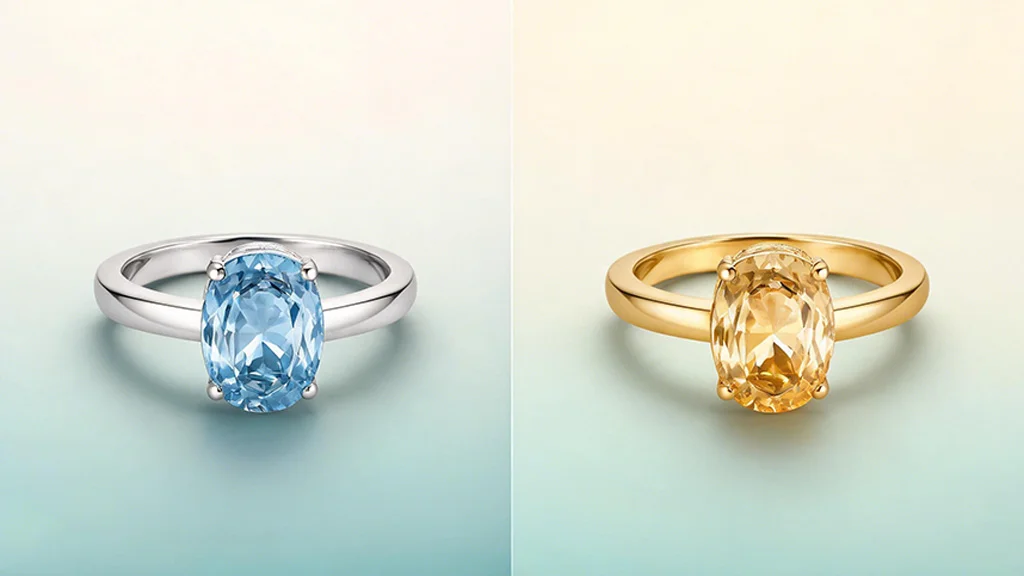
Tabla de contenido
Noviembre es uno de los pocos meses con dos piedras de nacimiento oficiales: el topacio y el citrino. Ambas piedras comparten una historia dorada y soleada, y se asocian con la calma, la claridad y una discreta confianza; sin embargo, pertenecen a familias minerales completamente diferentes, con distinta dureza, gama de colores y precios. Esta guía abarca todo lo que un comprador, quien regala o un joyero nacido en noviembre necesita saber, desde datos gemológicos hasta consejos de compra internacionales.
RESPUESTA RÁPIDA
Las piedras de nacimiento de noviembre son el topacio y el citrino. El topacio es un mineral de silicato duro y colorido (Mohs 8), conocido principalmente por sus variedades naranja imperial y azul tratada, mientras que el citrino es un cuarzo amarillo dorado (Mohs 7), apreciado por su brillo cálido y asequible. Ambos simbolizan claridad, calidez y calma.
Datos curiosos sobre la piedra de nacimiento de noviembre
Atributo | Topacio | Citrino |
Familia de los minerales | Silicato | Cuarzo |
Dureza (Mohs) | 8 | 7 |
Gama de colores | Incoloro, azul, rosa, naranja dorado imperial, rojo raro | Amarillo pálido a miel intenso / Naranja de Madeira |
Simbolismo | Fuerza, claridad, protección | Alegría, calidez, abundancia |
corbata del zodíaco | Escorpio / Sagitario | Escorpio / Sagitario |
aniversario de bodas | 4.º (azul) y 23.º (imperial) | 13 |
Rango de precios típico al por menor (USD) | $50 – $1,200+ (Imperial más raro, mayor) | $30 – $400 (piedras de talla natural de mayor valor) |
Rango de precios típico en tiendas (GBP) | 40 £ – 950 £ o más | 25 £ – 320 £ |
Gama de precios típica en el mercado minorista (EUR) | 45 € – 1.100 € o más | 28 € – 370 € |
Ideal para uso diario | Pendientes, colgantes (los anillos requieren cuidado) | Anillos, colgantes, pendientes |
Los rangos de precios indicados anteriormente reflejan los precios minoristas típicos de piedras preciosas facetadas y joyas terminadas en los mercados de EE. UU., Reino Unido y la UE a partir de 2026, y varían según el peso en quilates, el tratamiento y el metal de engaste.
Topacio: la piedra natal principal de noviembre
Historia y significado del topacio
El topacio ha tenido un gran simbolismo durante miles de años. Se cree que su nombre proviene del sánscrito tapas, que significa "fuego", o de la isla griega de Topazios. Los antiguos griegos creían que la piedra otorgaba fuerza a quien la llevaba, mientras que los europeos medievales, aproximadamente entre los siglos XIV y XVII, creían que el topacio podía disipar la ira y alejar la magia negra. En la India, se creía que llevar topacio sobre el corazón traía longevidad, belleza e inteligencia.
La variedad más legendaria es el topacio imperial, una rara piedra de color rosa anaranjado. Una versión atribuye su nombre a la familia real rusa, que reservaba los mejores ejemplares extraídos de los montes Urales para su propio uso; otra versión, popular en Brasil, relaciona el nombre con un regalo de topacio rojizo que el emperador brasileño Pedro II hizo en 1881.
El topacio azul simboliza el cuarto aniversario de bodas, mientras que el topacio imperial es el regalo tradicional para el vigésimo tercer aniversario.
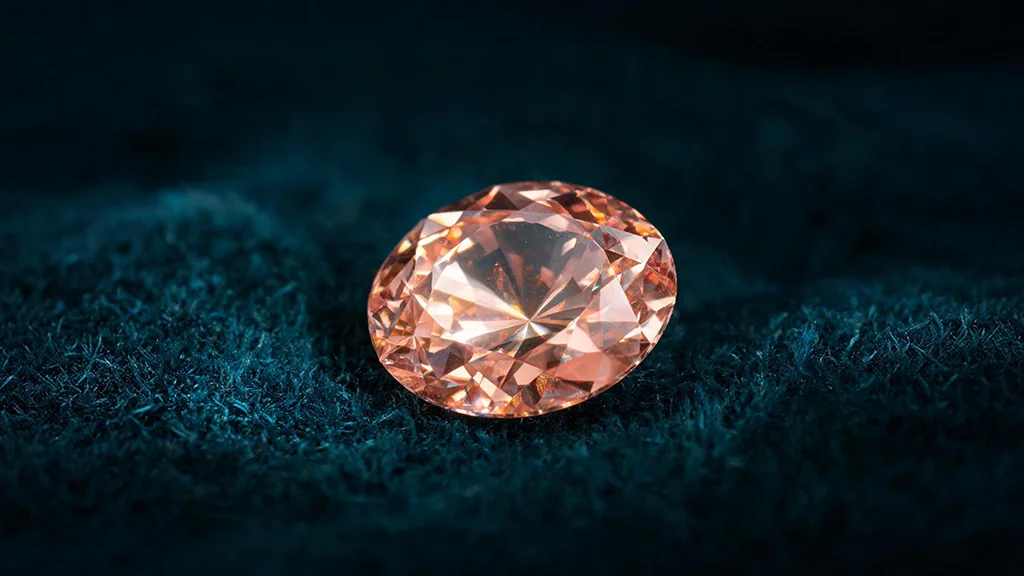
Gama de colores Topaz
Variedad topacio | Origen del color | Notas |
Topacio imperial | De color rosa anaranjado natural a dorado melocotón, rara vez tratado. | Variedad más rara y valiosa; con vínculos históricos con la realeza. |
Topacio azul (cielo, Suiza, Londres) | Topacio incoloro irradiado y tratado térmicamente. | Color topacio más común; económico |
Topacio rosa | Natural, muy raro; la mayoría del rosa comercial se trata con calor. | Muy apreciado para regalos románticos; el material pakistaní es notablemente fino. |
Topacio místico | Topacio incoloro recubierto con una fina película artificial. | Efecto arcoíris debido al recubrimiento; requiere una limpieza suave para proteger el acabado. |
Topacio incoloro (blanco) | No se detectaron elementos traza significativos. | A veces se utiliza como una alternativa económica al diamante. |
Dónde se encuentra el topacio
El estado brasileño de Minas Gerais es una de las fuentes de topacio más importantes del mundo, produciendo material amarillo, naranja, rojo, rosa y violeta desde hace más de dos siglos. La colina de Ghundao, en el noroeste de Pakistán, es apreciada por su raro topacio rosa "ciclamen" de tonalidad violeta. Otras fuentes incluyen Namibia, Nigeria, Madagascar, México, Myanmar, Sri Lanka, Rusia y Estados Unidos.
Dureza, durabilidad y cuidado del topacio
Con una dureza de 8 en la escala de Mohs, el topacio es duro pero tiene una tenacidad relativamente baja: puede astillarse o agrietarse a lo largo de los planos de clivaje internos si se golpea. Es más adecuado para pendientes y colgantes que reciben menos impacto que los anillos. Limpie el topacio solo con agua tibia y jabón; evite el vapor y los limpiadores ultrasónicos, ya que pueden causar fracturas internas por el calor. El topacio místico debe limpiarse solo con una solución de jabón suave, ya que los limpiadores abrasivos pueden dañar su recubrimiento.
Citrino: la segunda piedra natal de noviembre
Historia y significado del citrino
El citrino es una variedad de cuarzo transparente, de color amarillo a naranja parduzco, que se utiliza en joyería desde la antigüedad. Las primeras joyas de citrino conocidas datan de la Grecia helenística, aproximadamente entre el 300 y el 150 a. C. Su nombre probablemente deriva del francés citron ("limón") o del latín citrina. Debido a su gran parecido con el topacio en color, históricamente se confundieron ambas piedras, y el citrino heredó muchos de los poderes folclóricos del topacio, incluyendo la creencia de que podía calmar el temperamento y tranquilizar a quien lo llevaba.
El citrino fue especialmente popular en la joyería victoriana y art nouveau, donde a menudo se engastaba en anillos y broches ornamentados, y sigue siendo el regalo tradicional para el decimotercer aniversario de bodas. En el folclore, a veces se le llamaba la "piedra del comerciante" o la "piedra del dinero", y se llevaba como amuleto de la prosperidad.
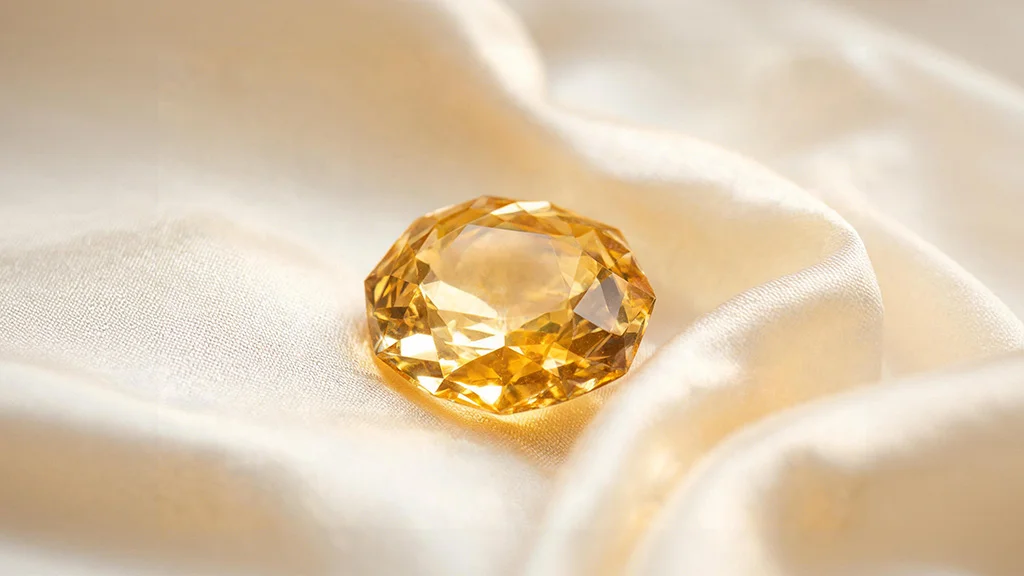
Citrino natural frente a citrino tratado térmicamente
Esta es una de las preguntas más comunes de los compradores, y es importante tanto para el precio como para la transparencia. La mayor parte del citrino que se encuentra en el mercado hoy en día se produce mediante el tratamiento térmico de la amatista o el cuarzo ahumado, lo que cambia el color a un amarillo o naranja cálido. El citrino natural, sin tratar, es realmente raro; la fuente más conocida es La mina Anahí de Bolivia, Descubierta en el siglo XVII y redescubierta en la década de 1960, que también produce ametrina (citrino y amatista intercrecidos en un solo cristal).
Citrino natural | Citrino tratado térmicamente | |
Color | Suave, amarillo pálido con sutil variación | Tono naranja más intenso o marrón, más uniforme. |
Rareza | Raro — fuentes limitadas (especialmente Bolivia) | Común: la mayor cantidad de citrino en el mercado. |
Precio | Más alto, especialmente para piedras más grandes. | Más asequible |
Divulgación | Debe indicarse como no tratado. | El tratamiento debe ser revelado en el punto de venta. |
Dónde se encuentra el citrino
Brasil es la principal fuente de amatista que se somete a un tratamiento térmico para obtener citrino. Entre las fuentes naturales de citrino, sin tratamiento térmico, se incluyen Bolivia, España, Madagascar y Uruguay.
Dureza, durabilidad y cuidado del citrino
El citrino tiene una dureza de 7 en la escala de Mohs, lo que le confiere una buena resistencia, convirtiéndolo en una gema duradera y apta para el uso diario, ideal para anillos, colgantes y pendientes. Generalmente se puede limpiar de forma segura con agua tibia y jabón y, en la mayoría de los casos, con un limpiador ultrasónico; sin embargo, la limpieza con vapor es más arriesgada, ya que el calor repentino puede provocar fracturas.
Topacio vs. Citrino: ¿Qué piedra de nacimiento de noviembre deberías elegir?
El topacio y el citrino pueden parecer similares a simple vista, especialmente en tonos dorados, pero son minerales no relacionados con propiedades distintas.
Característica | Topacio | Citrino |
Familia de los minerales | Silicato | Cuarzo |
Dureza | 8 (más duro, pero más quebradizo) | 7 (ligeramente más blando, más duro) |
Gama de colores | Incoloro, azul, rosa, naranja imperial, rojo raro | De amarillo limón pálido a miel/ámbar intenso |
Uso diario del anillo | Bueno, pero requiere un uso cuidadoso. | Excelente |
Punto de precio típico | Mayor variedad; el sistema imperial puede resultar costoso. | Generalmente más asequible |
Simbolismo | Fuerza, concentración, protección | Alegría, optimismo, abundancia |
Si te atrae una piedra con historia real y una amplia gama de colores, el topacio —especialmente el raro topacio imperial— es la opción más emblemática. Si buscas una gema cálida, asequible y para usar a diario que refleje la luz del sol otoñal, el citrino es la elección perfecta. Muchos nacidos en noviembre optan por combinar ambas, fusionando la fuerza del topacio con la calidez del citrino.
Significado y simbolismo de la piedra de nacimiento de noviembre
A lo largo de las culturas y los siglos, ambas piedras de nacimiento de noviembre se han asociado con la calidez, la claridad mental y la energía serena. El topacio se ha vinculado históricamente con la fuerza y la protección contra las influencias negativas, mientras que el tono brillante del citrino lo ha convertido en un símbolo de alegría, prosperidad y pensamiento creativo. La reputación metafísica de ninguna de las dos piedras está verificada científicamente —son tradiciones y folclore transmitidos a través de la historia del comercio de gemas, más que afirmaciones clínicas—, pero siguen formando parte del significado que otorga regalar piedras de nacimiento.
Cómo cuidar las joyas de topacio y citrino
- Limpia ambas piedras con agua tibia jabonosa y un cepillo suave; enjuágalas y sécalas con palmaditas.
- Evite la limpieza con vapor tanto para el topacio como para el citrino, ya que el calor intenso puede provocar fracturas internas en ambas piedras.
- Los limpiadores ultrasónicos suelen ser seguros para el citrino, pero no se recomiendan para el topacio, que es más propenso a astillarse.
- Guarde las piezas de topacio y citrino por separado de las gemas más duras (como los diamantes) para evitar arañazos en la superficie.
- Mantén el citrino alejado de la luz solar directa prolongada, ya que puede hacer que su color se desvanezca gradualmente.
- Para el topacio místico o recubierto, utilice únicamente una solución de jabón suave; nunca un limpiador abrasivo ni una rueda de pulido.
Guía de compra: Qué buscar en las joyas con la piedra de nacimiento de noviembre
Ya sea que compre al por menor o esté buscando artículos para una colección, cuatro factores determinan la calidad y el valor tanto del topacio como del citrino:
Saturación de color
En el caso del topacio, los colores más valiosos son el naranja rosado imperial natural y los tonos azules o rosados sin tratar; en cuanto al citrino, un tono dorado miel intenso y uniforme suele tener un precio superior al amarillo pálido y deslavado.
Claridad
En general, ambas piedras se encuentran sin inclusiones visibles a simple vista en las calidades comerciales. Las inclusiones visibles disminuyen el valor de forma más notable en el citrino que en el topacio, donde las inclusiones menores se toleran mejor debido al brillo de la piedra.
Cortar
Dado que ambos minerales son relativamente abundantes, los talladores pueden priorizar la proporción y el brillo sobre la cantidad. Las piedras bien proporcionadas —con cortes redondos, ovalados, de cojín o esmeralda— maximizan el reflejo de la luz y la profundidad del color.
Divulgación del tratamiento
Pregunte si el topacio azul ha sido irradiado y tratado térmicamente (casi todos lo están) y si el citrino es amatista natural o tratada térmicamente. Los minoristas y fabricantes de buena reputación deben informar de esto en el punto de venta.
Preguntas frecuentes
Ambas son piedras de nacimiento oficiales de noviembre, según la lista moderna utilizada por las principales asociaciones del sector gemológico. El topacio tiene una asociación histórica más antigua; el citrino se añadió más recientemente, pero hoy en día goza del mismo reconocimiento.
Las piedras de nacimiento oficiales de diciembre —turquesa, tanzanita y circón azul— comparten la paleta de colores azul frío del topacio, por lo que los joyeros a veces incluyen el topacio azul en las colecciones de diciembre. Sin embargo, oficialmente, el topacio pertenece a noviembre.
Sí. Con una dureza de 7 en la escala de Mohs, el citrino es lo suficientemente resistente para usarlo a diario en anillos, colgantes y pendientes, y resiste mejor los golpes cotidianos que otras gemas más frágiles.
El citrino natural tiende a tener un color amarillo pálido y suave con sutiles variaciones tonales, mientras que el citrino tratado térmicamente suele presentar un tono naranja o marrón más intenso y uniforme. Un gemólogo puede confirmar con certeza su origen y tratamiento.
La exposición prolongada a la luz solar intensa puede aclarar gradualmente el color del citrino, por lo que es mejor guardarlo lejos de la luz directa y del calor cuando no se use.
El topacio es duro (Mohs 8), pero su resistencia es menor que la del citrino, lo que significa que puede astillarse si recibe un golpe en el ángulo incorrecto. Luce espléndido en pendientes y colgantes; en anillos, se recomienda usar monturas protectoras y llevarlos con un poco más de cuidado.
El topacio imperial es una variedad natural, rara, de color rosa anaranjado a dorado melocotón, históricamente asociada con la realeza europea y brasileña. Su rareza y la falta de tratamientos comunes lo convierten en el color de topacio más valioso.
La paleta de colores de noviembre abarca tonos amarillo dorado, ámbar y que van del azul al rosa, simbolizando generalmente calidez, claridad, optimismo y calma, temas vinculados al folclore del topacio y el citrino.