
What is November’s Birthstone? Topaz & Citrine Guide
- Written by Provence Team
- Updated on September 5, 2026
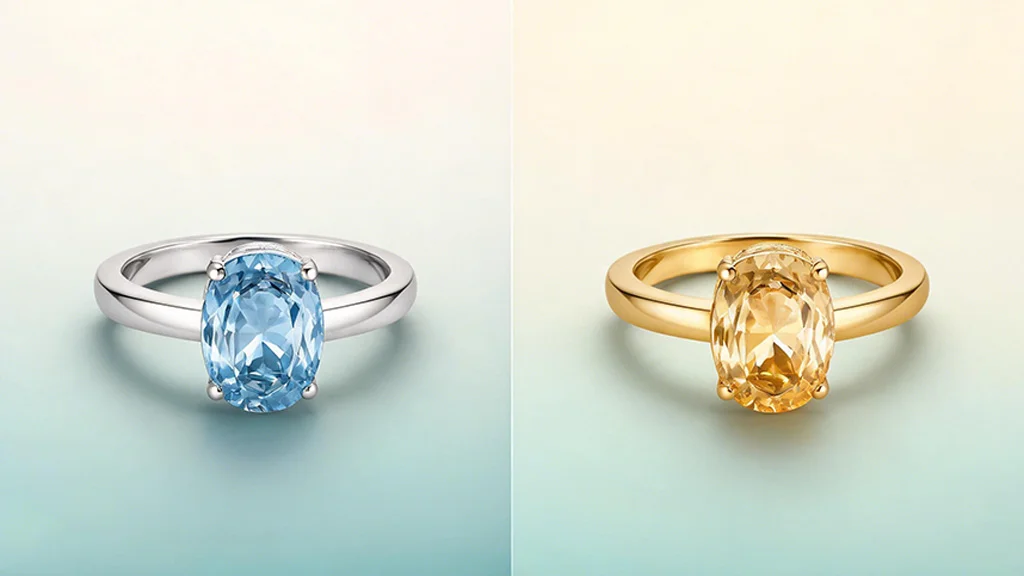
Table of Contents
November is one of only a handful of months with two official birthstones: topaz and citrine. Both stones share a golden, sun-warmed history and a reputation for calm, clarity, and quiet confidence — but they come from entirely different mineral families, with different hardness, color ranges, and price points. This guide covers everything a November-born buyer, gift-giver, or jewelry retailer needs to know, from gemological fact to global buying guidance.
QUICK ANSWER
November's birthstones are topaz and citrine. Topaz is a hard, colorful silicate mineral (Mohs 8) best known for its Imperial orange and treated blue varieties, while citrine is a golden-yellow quartz (Mohs 7) prized for its warm, affordable glow. Both symbolize clarity, warmth, and calm.
November Birthstone Fast Facts
Attribute | Topaz | Citrine |
Mineral family | Silicate | Quartz |
Hardness (Mohs) | 8 | 7 |
Color range | Colorless, blue, pink, Imperial orange-gold, rare red | Pale lemon to deep honey / Madeira orange |
Symbolism | Strength, clarity, protection | Joy, warmth, abundance |
Zodiac tie | Scorpio / Sagittarius | Scorpio / Sagittarius |
Wedding anniversary | 4th (blue) & 23rd (Imperial) | 13th |
Typical retail range (USD) | $50 – $1,200+ (Imperial rarer, higher) | $30 – $400 (natural cut stones higher) |
Typical retail range (GBP) | £40 – £950+ | £25 – £320 |
Typical retail range (EUR) | €45 – €1,100+ | €28 – €370 |
Best for everyday wear | Earrings, pendants (rings need care) | Rings, pendants, earrings |
Pricing ranges above reflect typical faceted gemstone and finished-jewelry retail pricing across US, UK, and EU markets as of 2026 and vary by carat weight, treatment, and setting metal.
Topaz: November's Primary Birthstone
History & Meaning of Topaz
Topaz has carried symbolic weight for thousands of years. Its name is thought to trace either to the Sanskrit tapas, meaning "fire," or the Greek island of Topazios. Ancient Greeks believed the stone lent its wearer strength, while medieval Europeans, from roughly the 1300s to 1600s, believed topaz could dispel anger and ward off dark magic. In India, wearing topaz above the heart was long thought to bring long life, beauty, and intelligence.
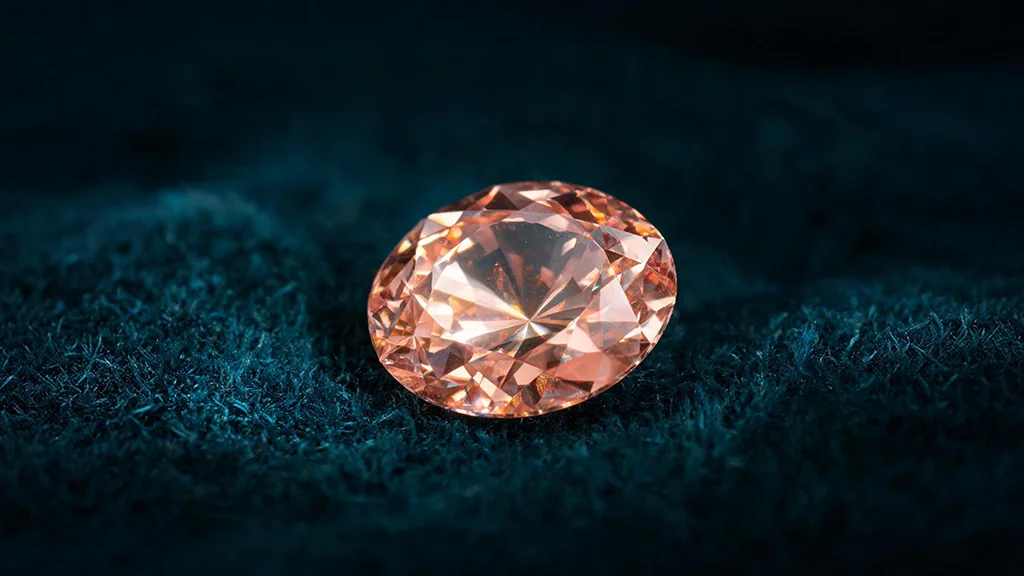
The most storied variety is Imperial topaz, a rare pinkish-orange stone. One account credits the name to the Russian royal family, who reserved the finest specimens mined from the Ural Mountains for their own use; a competing account popular in Brazil ties the name to an 1881 gift of reddish topaz to Brazilian Emperor Pedro II.
Blue topaz marks the 4th wedding anniversary, while Imperial topaz is the traditional gift for a 23rd anniversary.
Topaz Color Range
Topaz variety | Color origin | Notes |
Imperial topaz | Natural pinkish-orange to peachy-gold, rarely treated | Rarest and most valuable variety; historic royal associations |
Blue topaz (sky, Swiss, London) | Colorless topaz irradiated and heat-treated | Most widely available topaz color; budget-friendly |
Pink topaz | Natural, very rare; most commercial pink is heat-treated | Prized for romantic gifts; Pakistani material is notably fine |
Mystic topaz | Colorless topaz coated with a thin artificial film | Rainbow effect from coating; requires gentle cleaning to protect the finish |
Colorless (white) topaz | No significant trace elements | Sometimes used as an affordable diamond alternative |
Where Topaz Is Found
Brazil's Minas Gerais state is one of the world's most important topaz sources, producing yellow, orange, red, pink, and violet material for more than two centuries. Northwestern Pakistan's Ghundao Hill is prized for rare violet-toned "cyclamen" pink topaz. Additional sources include Namibia, Nigeria, Madagascar, Mexico, Myanmar, Sri Lanka, Russia, and the United States.
Topaz Hardness, Durability & Care
At 8 on the Mohs scale, topaz is hard but has relatively poor toughness — it can chip or crack along internal cleavage planes if struck. It is best suited to earrings and pendants that see less impact than rings. Clean topaz with warm, soapy water only; avoid steam and ultrasonic cleaners, which can cause internal fractures from heat. Mystic topaz should be cleaned with a mild soap solution only, since abrasive cleaners can damage its coating.
Citrine: November's Second Birthstone
History & Meaning of Citrine
Citrine is the transparent yellow-to-brownish-orange variety of quartz, used in jewelry since antiquity — the earliest known citrine jewelry dates to Hellenistic Greece, roughly 300–150 BC. Its name likely derives from the French citron ("lemon") or the Latin citrina. Because citrine so closely resembles topaz in color, the two stones were historically confused, and citrine inherited many of topaz's folkloric powers, including the belief that it could soothe temper and calm the wearer.
Citrine was especially fashionable in Victorian and Art Nouveau jewelry, often set in ornate rings and brooches, and it remains the traditional gift for a 13th wedding anniversary. In folklore it was sometimes called the "merchant's stone" or "money stone," carried as a charm for prosperity.
Natural vs. Heat-Treated Citrine
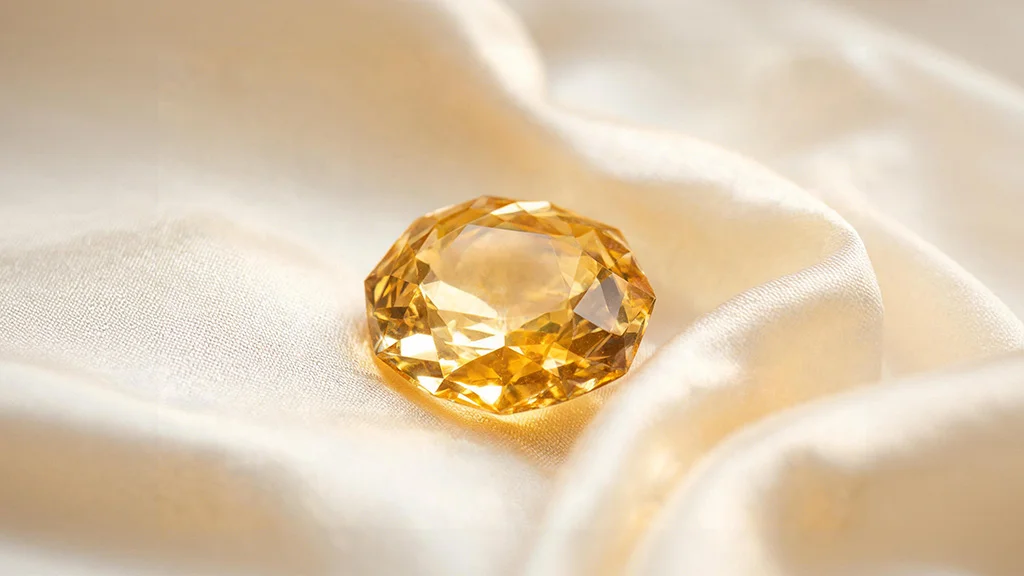
This is one of the most common buyer questions, and it matters for both price and disclosure. Most citrine on the market today is produced by heat-treating amethyst or smoky quartz, which shifts the color to a warm yellow or orange. Natural, untreated citrine is genuinely rare — the best-known source is Bolivia's Anahí mine, discovered in the 1600s and rediscovered in the 1960s, which also produces ametrine (citrine and amethyst intergrown in a single crystal).
Natural citrine | Heat-treated citrine | |
Color | Soft, pale yellow with subtle variation | Deeper orange or brownish, more uniform tone |
Rarity | Rare — limited sources (notably Bolivia) | Common — most citrine in the market |
Price | Higher, especially for larger stones | More affordable |
Disclosure | Should be stated as untreated | Treatment should be disclosed at point of sale |
Where Citrine Is Found
Brazil is the dominant source of amethyst that is heat-treated into citrine. Natural, unheated citrine sources include Bolivia, Spain, Madagascar, and Uruguay.
Citrine Hardness, Durability & Care
Citrine measures 7 on the Mohs scale with good toughness, making it a durable, everyday-friendly gemstone well suited to rings as well as pendants and earrings. It can typically be cleaned safely with warm, soapy water and, in most cases, an ultrasonic cleaner — though steam cleaning is riskier, since sudden heat can cause fractures. Prolonged su
Topaz vs. Citrine: Which November Birthstone Should You Choose?
Topaz and citrine can look similar at a glance, especially in golden tones, but they are unrelated minerals with distinct properties.
Feature | Topaz | Citrine |
Mineral family | Silicate | Quartz |
Hardness | 8 (harder, but more brittle) | 7 (slightly softer, tougher) |
Color range | Colorless, blue, pink, Imperial orange, rare red | Pale lemon to deep honey/amber |
Everyday ring use | Good, but needs mindful wear | Excellent |
Typical price point | Wider range; Imperial can be costly | Generally more affordable |
Symbolism | Strength, focus, protection | Joy, optimism, abundance |
If you're drawn to a stone with royal history and a broad color spectrum, topaz — especially rare Imperial topaz — is the more storied choice. If you want a warm, affordable, everyday-wearable gemstone that channels autumn sunlight, citrine is the natural fit. Many November-born wearers choose to layer both, pairing the strength of topaz with the warmth of citrine.
November Birthstone Meaning & Symbolism
Across cultures and centuries, both November birthstones have been associated with warmth, mental clarity, and calm energy. Topaz was historically tied to strength and protection from negative influences, while citrine's sunny hue made it a symbol of joy, prosperity, and creative thinking. Neither stone's metaphysical reputation is scientifically verified — these are traditions and folklore passed down through gem-trade history rather than clinical claims — but they remain part of what makes birthstone gifting meaningful.
How to Care for Topaz and Citrine Jewelry
- Clean both stones with warm, soapy water and a soft brush; rinse and pat dry.
- Avoid steam cleaning for topaz and citrine alike — high heat can cause internal fractures in both stones.
- Ultrasonic cleaners are generally safe for citrine but not recommended for topaz, which is more prone to chipping.
- Store topaz and citrine pieces separately from harder gems (like diamonds) to prevent surface scratches.
- Keep citrine away from prolonged direct sunlight, which can gradually fade its color.
- For Mystic or coated topaz, use only a mild soap solution — never an abrasive cleaner or buffing wheel.
Buying Guide: What to Look for in November Birthstone Jewelry
Whether you're shopping retail or sourcing for a collection, four factors determine quality and value in both topaz and citrine:
Color Saturation
For topaz, the most valuable colors are natural Imperial orange-pink and untreated blue or pink hues; for citrine, a rich, even golden-honey tone typically commands a premium over pale, washed-out yellow.
Clarity
Both stones are generally found eye-clean at commercial grades. Visible inclusions lower value more noticeably in citrine than in topaz, where minor inclusions are more tolerated given the stone's brilliance.
Cut
Because both minerals are relatively abundant, cutters can prioritize proportion and brilliance over yield. Well-proportioned stones — round, oval, cushion, or emerald cuts — maximize light return and color depth.
Treatment Disclosure
Ask whether blue topaz has been irradiated and heat-treated (nearly all is) and whether citrine is natural or heat-treated amethyst. Reputable retailers and manufacturers should disclose this at the point of sale.
Frequently Asked Questions
Both are official November birthstones under the modern birthstone list used by major gem trade bodies. Topaz has the longer historical association; citrine was added more recently but is equally recognized today.
December's official birthstones — turquoise, tanzanite, and blue zircon — share topaz's cool-blue palette, so jewelers sometimes group blue topaz into December collections. Officially, however, topaz belongs to November.
Yes. At 7 on the Mohs scale, citrine is durable enough for daily wear in rings, pendants, and earrings, and it resists everyday knocks better than more brittle gems.
Natural citrine tends toward a soft, pale yellow with subtle tonal variation, while heat-treated citrine is typically a deeper, more uniform orange or brownish tone. A gemologist can confirm origin and treatment with certainty.
Extended exposure to strong sunlight can gradually lighten citrine's color, so it's best stored away from direct light and heat when not being worn.
Topaz is hard (Mohs 8) but has weaker toughness than citrine, meaning it can chip if struck at the wrong angle. It performs beautifully in earrings and pendants; ring settings should use protective mountings and be worn with a bit more care.
Imperial topaz is a rare, natural pinkish-orange to peachy-gold variety historically associated with European and Brazilian royalty. Its rarity and lack of common treatment make it the most valuable topaz color.
November's palette spans golden yellow, amber, and blue-to-pink tones, generally symbolizing warmth, clarity, optimism, and calm — themes tied to both topaz and citrine folklore.