
Nach Farbe


Von Stone Shape






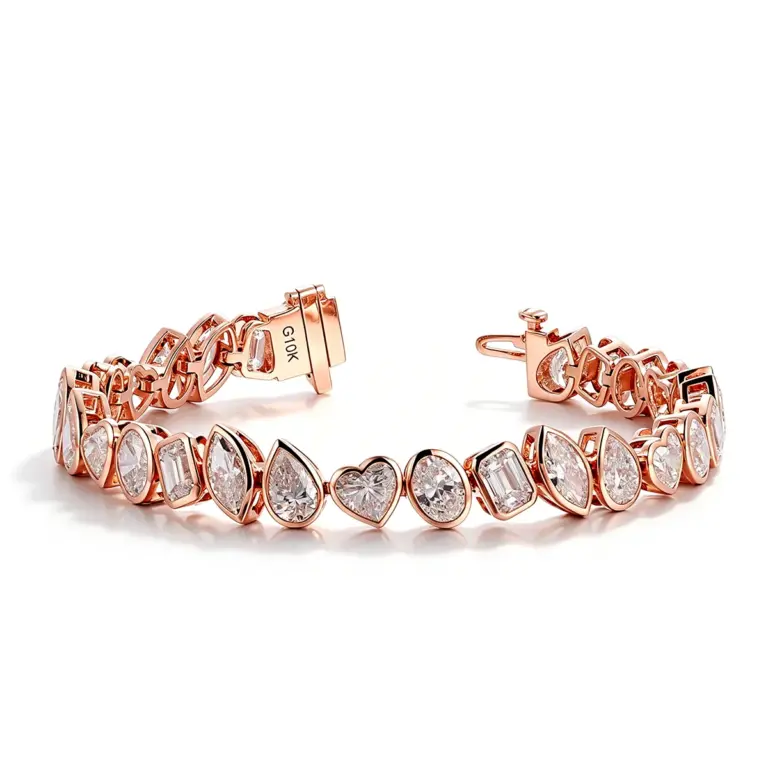
Tennisarmband aus 10-karätigem Gold mit 13 Karat im Labor gezüchteten Diamanten in verschiedenen Formen
Ein atemberaubendes 13-karätiges Schmuckstück mit ovalen, herzförmigen, smaragdgrünen, birnenförmigen und marquiseförmigen, im Labor gezüchteten Diamanten, gefasst in 10-karätigem Gold. Dieses Tennisarmband zieht mit seiner seltenen Kombination aus verschiedenen Formen und seiner unbestreitbaren Brillanz alle Blicke auf sich.
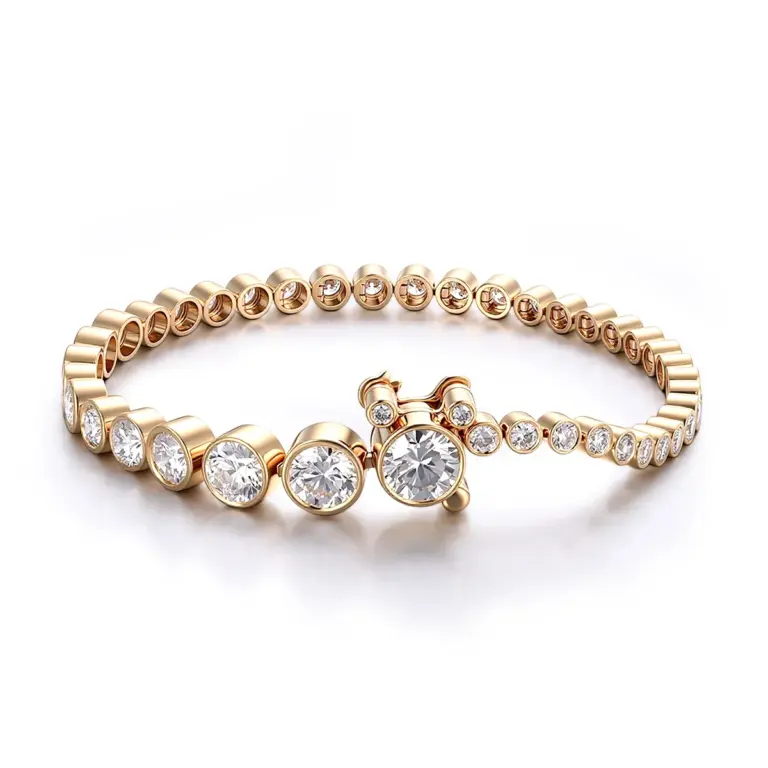
Tennisarmband aus 10-karätigem Gold mit 2,6 ct rundem, im Labor gezüchtetem Diamanten
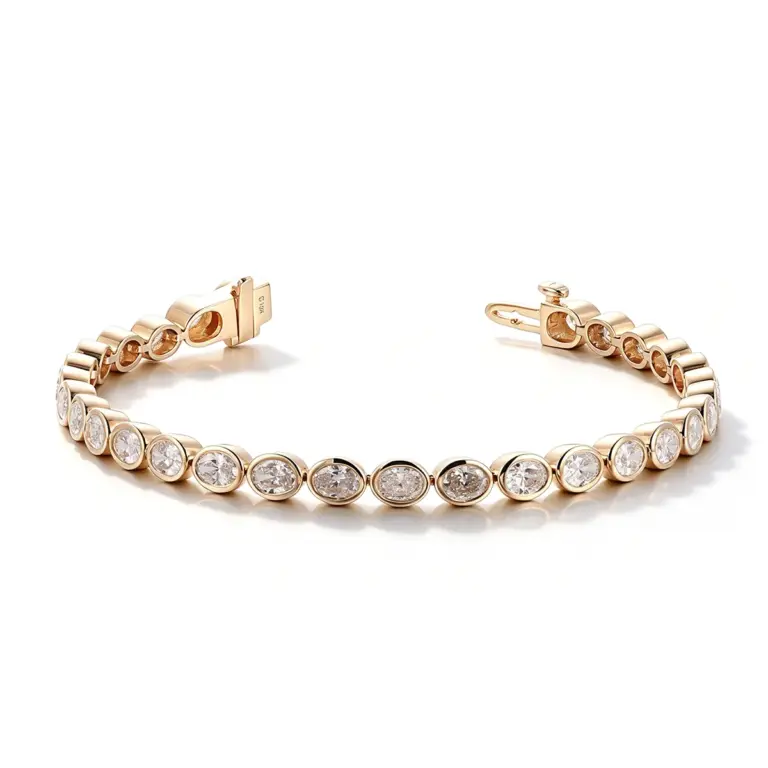
Tennisarmband aus 10-karätigem Gold mit ovalem, im Labor gezüchtetem Diamanten (5 Karat).
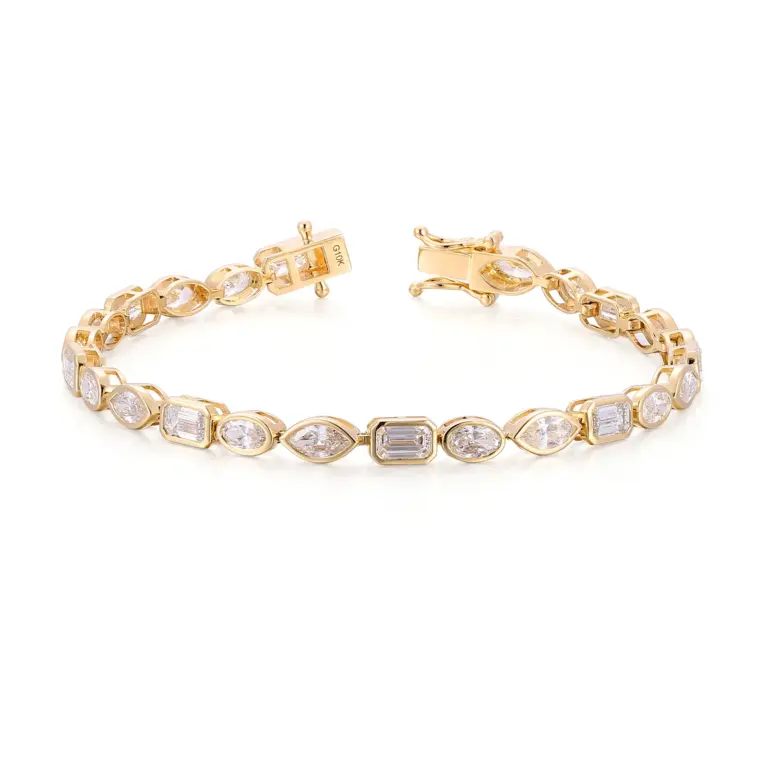
Tennisarmband aus 10-karätigem Gold mit ovaler Lünette und im Labor gezüchteten Diamanten
Dieses elegante und raffinierte Tennisarmband aus 10-karätigem Gold mit ovalen, im Labor gezüchteten Diamanten besticht durch seine anmutige Funkelwirkung und die in Lünetten gefassten ovalen Diamanten.
Optionen auswählen
Dieses Produkt ist in mehreren Varianten erhältlich. Die Optionen können auf der Produktseite ausgewählt werden.
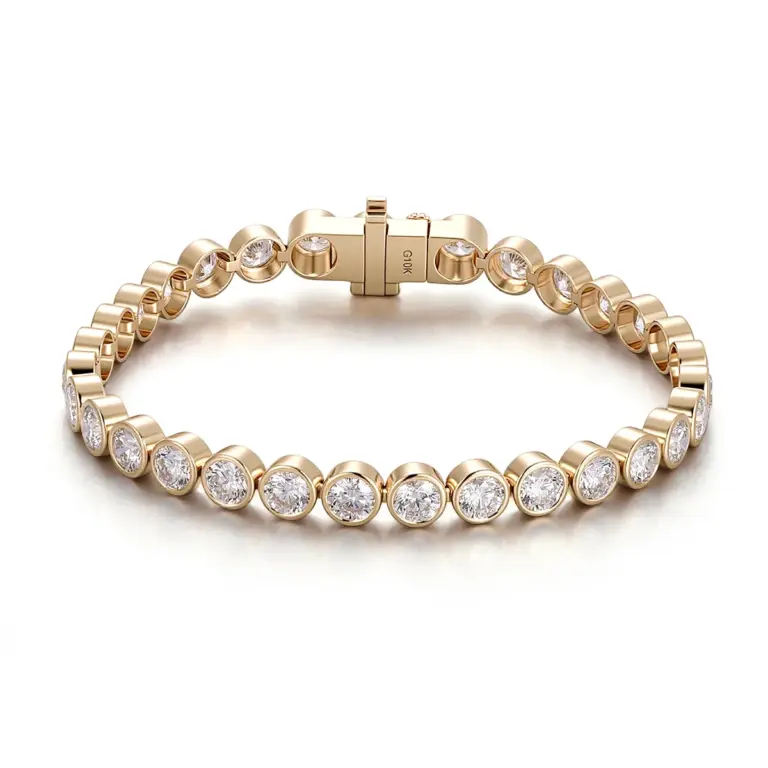
Tennisarmband aus 10-karätigem Gold mit runder, im Labor gezüchteter Diamantfassung
Dieses Tennisarmband aus 10-karätigem Gold mit runden, im Labor gezüchteten Diamanten besticht durch seine elegante, lünettengefasste Brillanz und klassische Eleganz.
Optionen auswählen
Dieses Produkt ist in mehreren Varianten erhältlich. Die Optionen können auf der Produktseite ausgewählt werden.
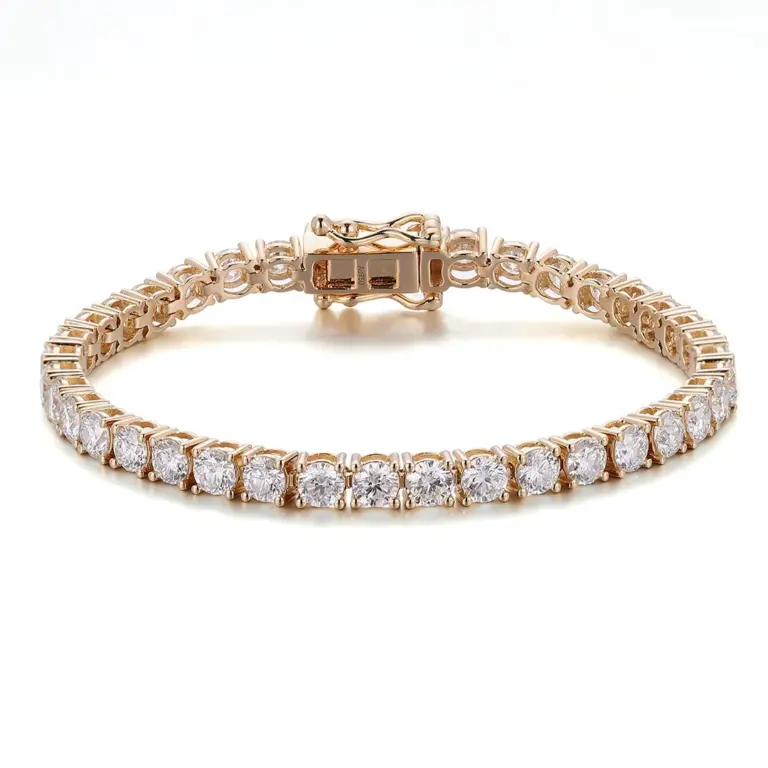
Tennisarmband aus 10-karätigem Gold mit rundem, im Labor gezüchtetem Diamanten und vier Krappenfassung
Dieses Tennisarmband aus 10-karätigem Gold mit runden, im Labor gezüchteten Diamanten besticht durch funkelnde Diamanten in einer klassischen Vier-Krappen-Fassung und bietet erschwinglichen Luxus für jeden Tag.
Optionen auswählen
Dieses Produkt ist in mehreren Varianten erhältlich. Die Optionen können auf der Produktseite ausgewählt werden.
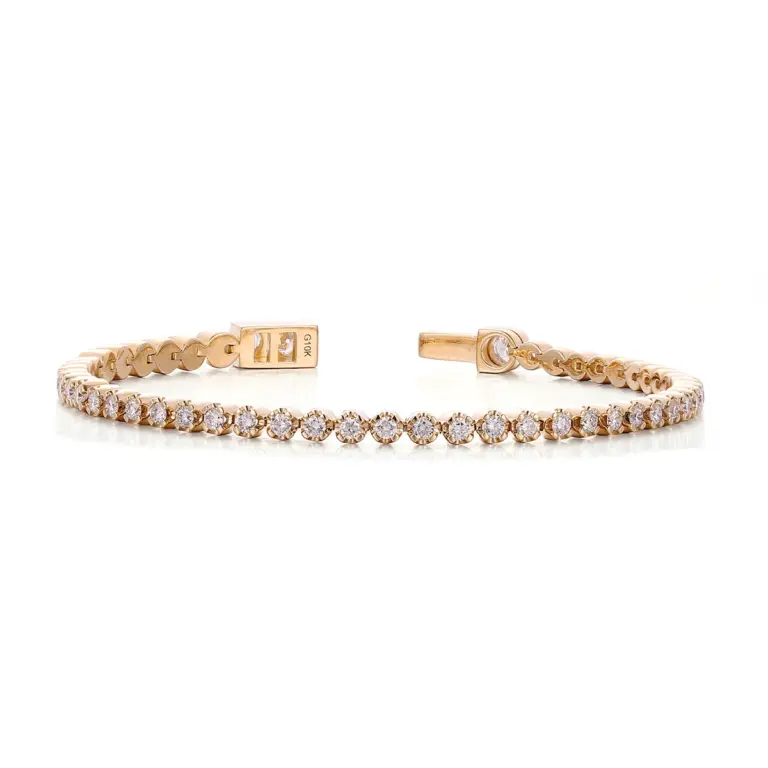
Tennisarmband aus 10-karätigem Gold mit rundem, im Labor gezüchtetem Diamanten
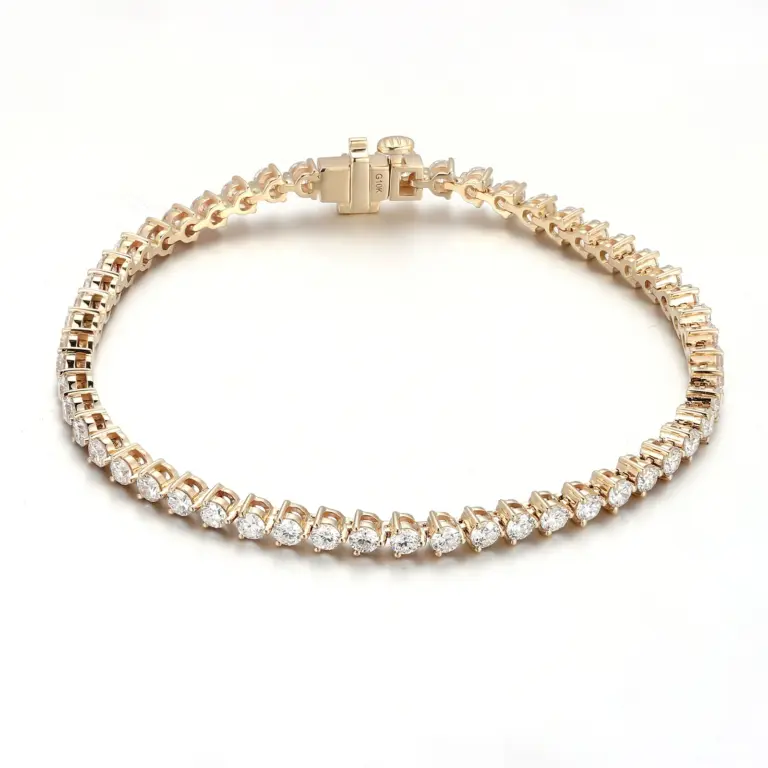
Tennisarmband aus 10-karätigem Gold mit rundem, im Labor gezüchtetem Diamanten und drei Krappenfassung
Dieses Tennisarmband aus 10-karätigem Gold mit runden, im Labor gezüchteten Diamanten besticht durch seine Brillanz und eine elegante Drei-Krappen-Fassung für moderne Eleganz.
Optionen auswählen
Dieses Produkt ist in mehreren Varianten erhältlich. Die Optionen können auf der Produktseite ausgewählt werden.
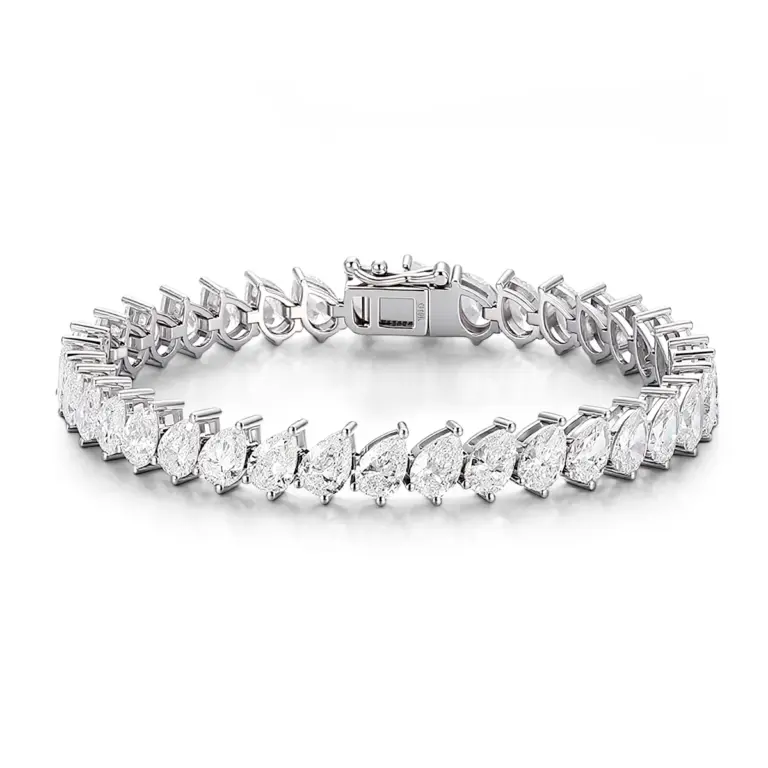
Tennisarmband aus 10-karätigem Weißgold mit birnenförmigem, im Labor gezüchtetem Diamanten in Krappenfassung
Dieses strahlende und elegante Tennisarmband aus 10-karätigem Weißgold mit birnenförmigen, im Labor gezüchteten Diamanten besticht durch seine Krappenfassung und das damit verbundene funkelnde Funkeln.
Optionen auswählen
Dieses Produkt ist in mehreren Varianten erhältlich. Die Optionen können auf der Produktseite ausgewählt werden.
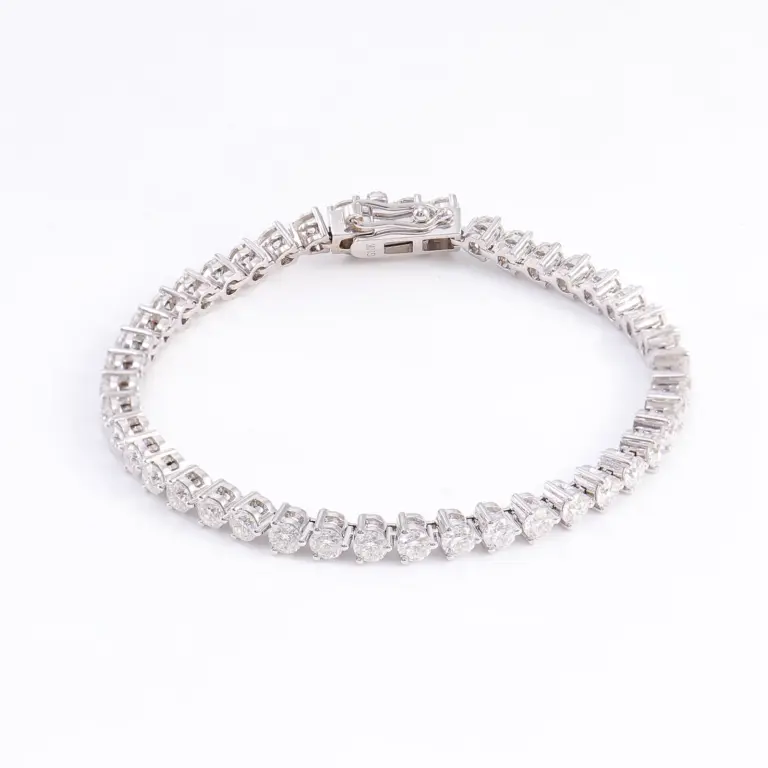
Tennisarmband aus 10-karätigem Weißgold mit rundem, im Labor gezüchtetem Diamanten und drei Krappenfassung
Dieses Tennisarmband aus 10-karätigem Weißgold mit runden, im Labor gezüchteten Diamanten besticht durch eine elegante Drei-Krappen-Fassung, die für brillantes Funkeln und modernen Stil sorgt.
Optionen auswählen
Dieses Produkt ist in mehreren Varianten erhältlich. Die Optionen können auf der Produktseite ausgewählt werden.
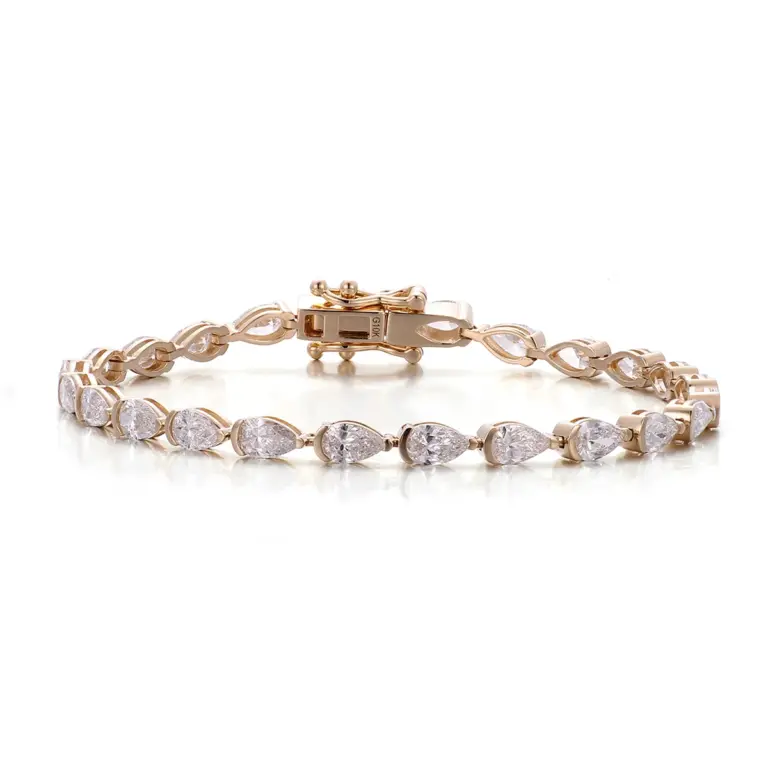
Tennisarmband aus 14-karätigem Gold mit 4,8 ct birnenförmigem, im Labor gezüchtetem Diamanten
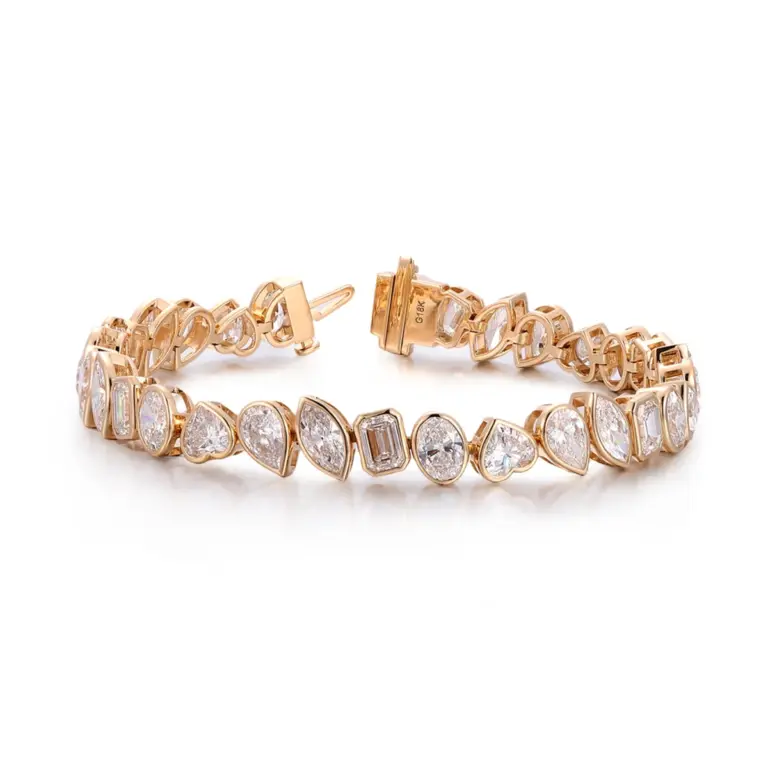
Tennisarmband aus 14-karätigem Gold mit birnenförmigem, im Labor gezüchtetem Diamanten in Lünette
Dieses elegante und moderne Tennisarmband aus 14-karätigem Gold mit birnenförmigen, im Labor gezüchteten Diamanten besticht durch seine schlichte Eleganz und dauerhafte Brillanz.
Optionen auswählen
Dieses Produkt ist in mehreren Varianten erhältlich. Die Optionen können auf der Produktseite ausgewählt werden.
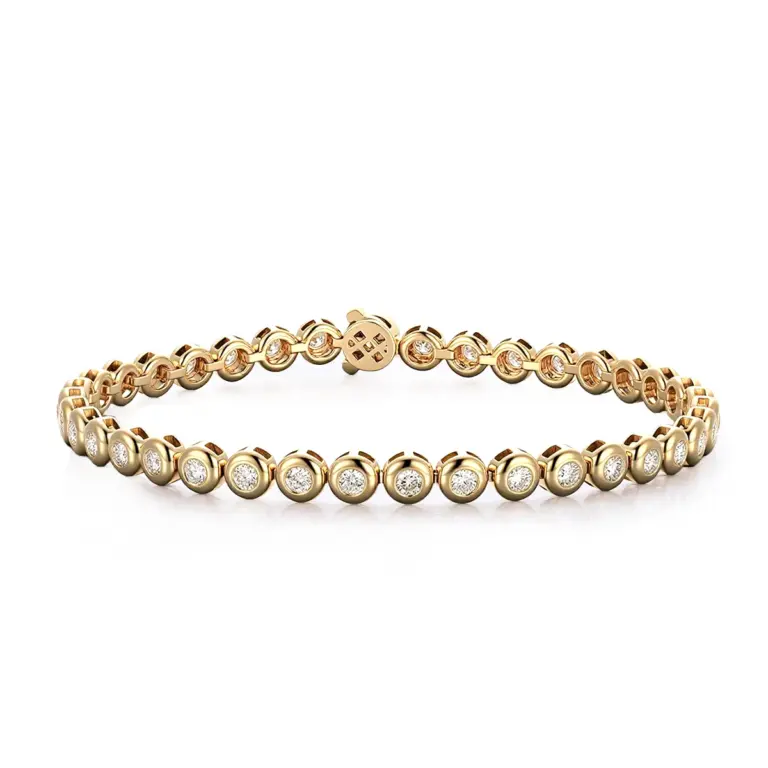
Tennisarmband aus 14-karätigem Gold mit runder, im Labor gezüchteter Diamantfassung
Dieses Tennisarmband aus 14-karätigem Gold mit runden, im Labor gezüchteten Diamanten ist ein zeitloser Klassiker und vereint brillante, in Lünetten gefasste Diamanten mit luxuriösem Gold zu müheloser Eleganz.
Optionen auswählen
Dieses Produkt ist in mehreren Varianten erhältlich. Die Optionen können auf der Produktseite ausgewählt werden.
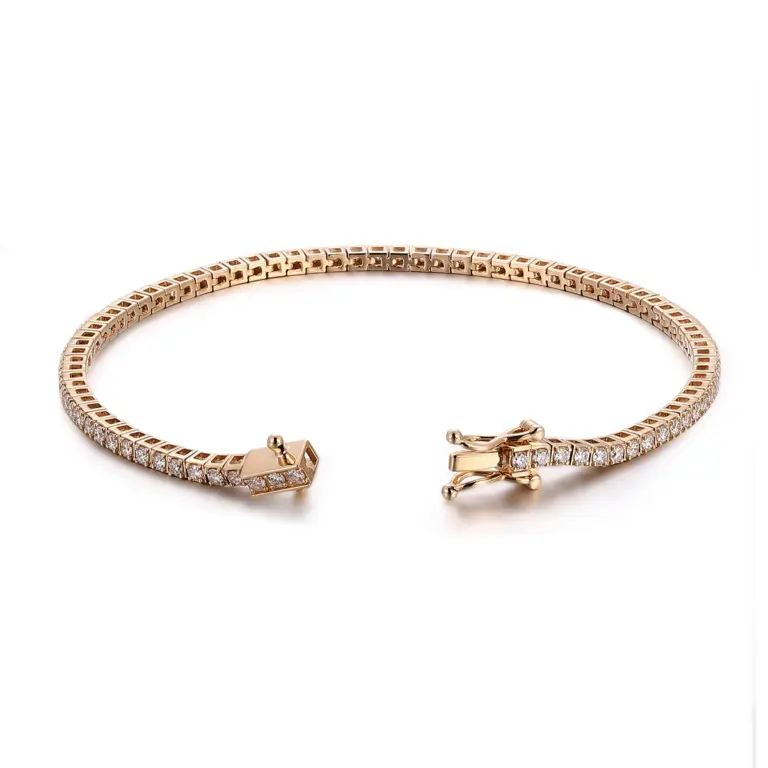
Tennisarmband aus 14-karätigem Gold mit rundem, im Labor gezüchtetem Diamanten und vier Krappenfassung
Dieses Tennisarmband aus 14-karätigem Gold mit runden, im Labor gezüchteten Diamanten besticht durch funkelnde, rundgeschliffene Diamanten, die in einer Vier-Krappen-Fassung sicher befestigt sind und zeitlose Schönheit sowie Luxus für jeden Tag bieten.
Optionen auswählen
Dieses Produkt ist in mehreren Varianten erhältlich. Die Optionen können auf der Produktseite ausgewählt werden.
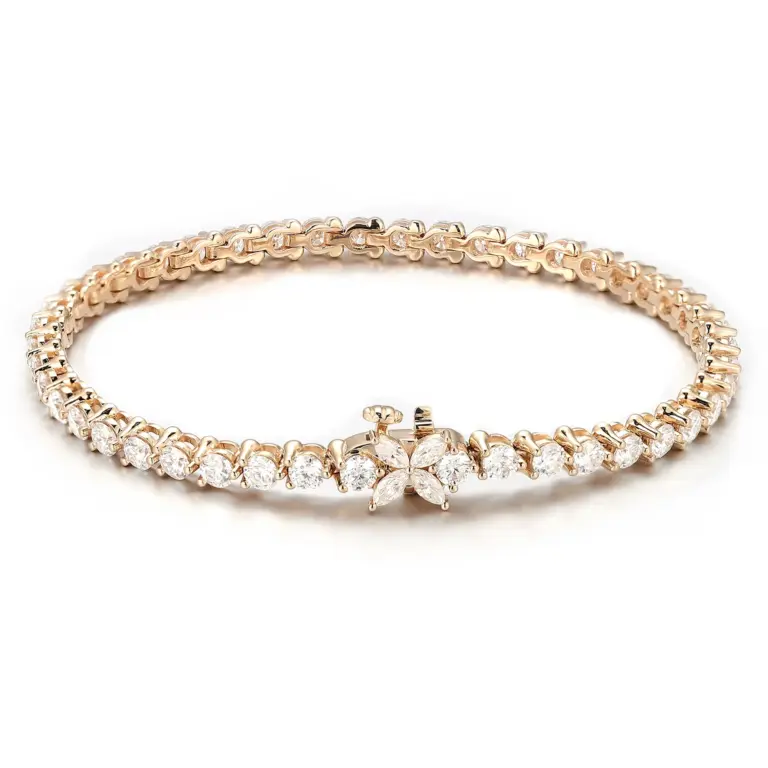
Tennisarmband aus 14-karätigem Gold mit rundem, im Labor gezüchtetem Diamanten in Krappenfassung
Elegant und zeitlos präsentiert sich dieses Tennisarmband aus 14-karätigem Gold mit runden, im Labor gezüchteten Diamanten. Die brillant gefassten Diamanten stehen für klassischen Luxus.
Optionen auswählen
Dieses Produkt ist in mehreren Varianten erhältlich. Die Optionen können auf der Produktseite ausgewählt werden.
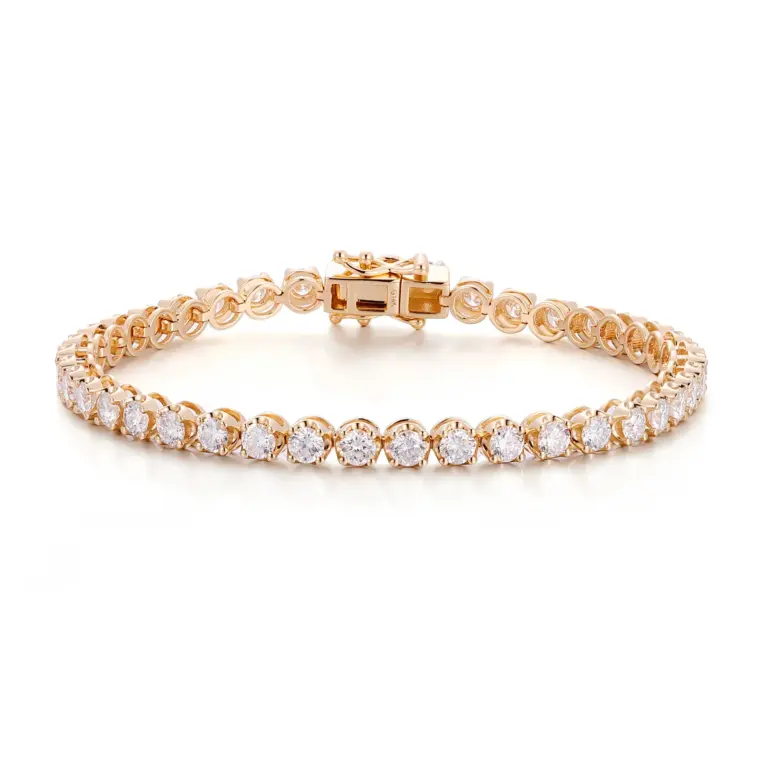
Tennisarmband aus 14-karätigem Gold mit rundem, im Labor gezüchtetem Diamanten in Krappenfassung
Klassisch und strahlend zugleich: Dieses Tennisarmband aus 14-karätigem Gold präsentiert brillante, im Labor gezüchtete, runde Diamanten in einer sicheren Krappenfassung für zeitlose Eleganz.
Optionen auswählen
Dieses Produkt ist in mehreren Varianten erhältlich. Die Optionen können auf der Produktseite ausgewählt werden.
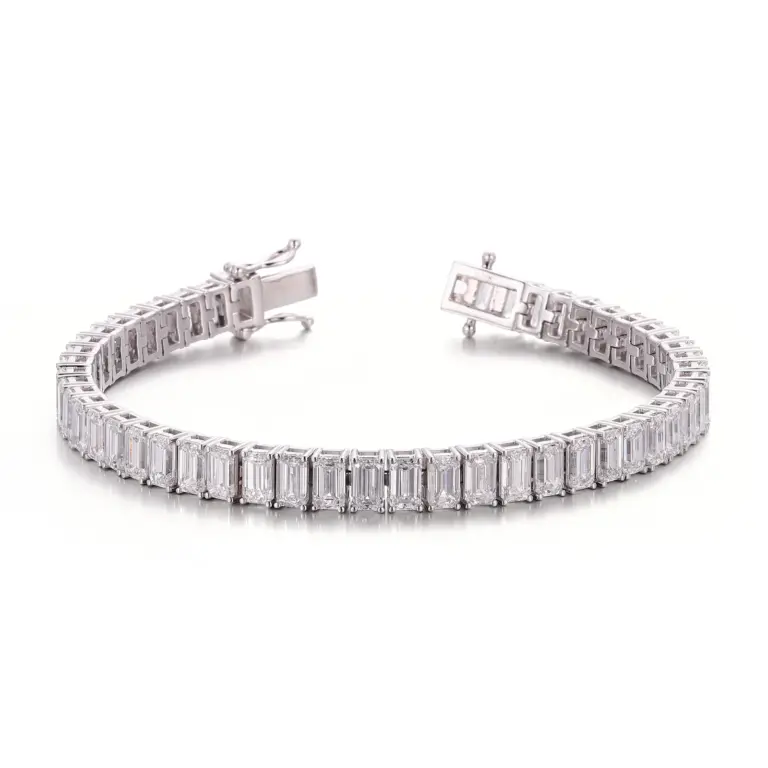
Tennisarmband aus 14-karätigem Weißgold mit Smaragd, im Labor gezüchteten Diamanten und Vier-Krappen-Fassung
Dieses Tennisarmband mit smaragdgeschliffenen, im Labor gezüchteten Diamanten aus luxuriösem 14-karätigem Weißgold besticht durch außergewöhnliche Brillanz und eine klassische Vier-Krappen-Fassung für einen raffinierten und eleganten Look.
Optionen auswählen
Dieses Produkt ist in mehreren Varianten erhältlich. Die Optionen können auf der Produktseite ausgewählt werden.
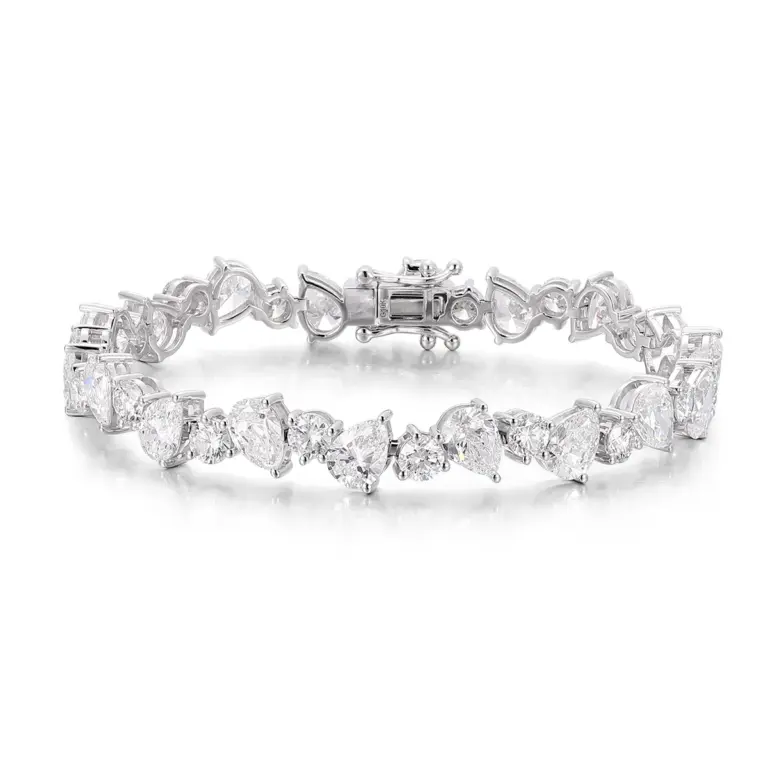
Tennisarmband aus 14-karätigem Weißgold mit birnenförmigem, im Labor gezüchtetem Diamanten in Krappenfassung
Bereichern Sie Ihre Schmucksammlung mit diesem Tennisarmband aus 14-karätigem Weißgold mit birnenförmigen, im Labor gezüchteten Diamanten. Die brillant geschliffenen Diamanten sind in einer sicheren Krappenfassung gehalten und sorgen für zeitlosen Glanz und moderne Eleganz.
Optionen auswählen
Dieses Produkt ist in mehreren Varianten erhältlich. Die Optionen können auf der Produktseite ausgewählt werden.
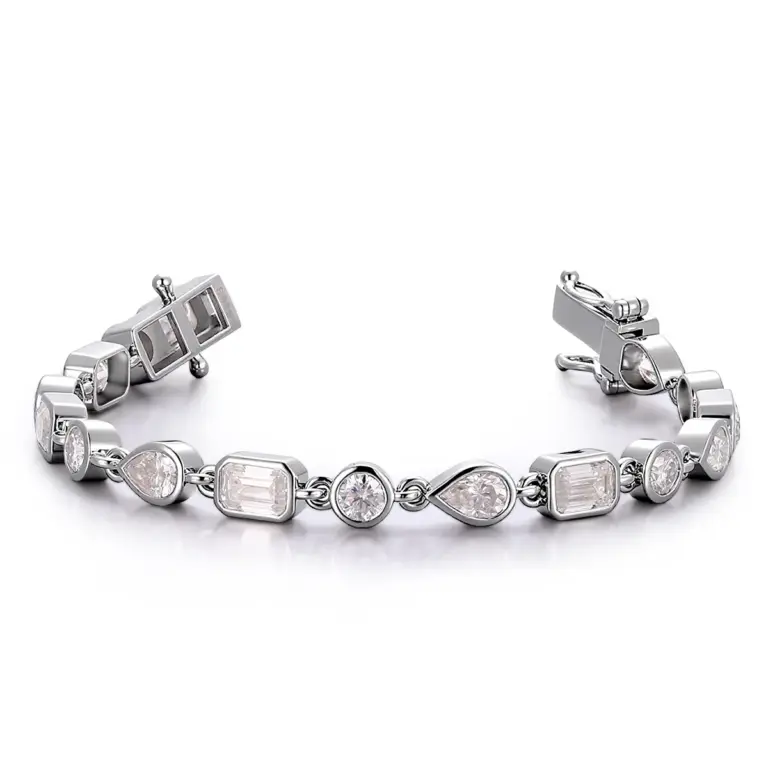
Tennisarmband aus 14-karätigem Weißgold mit runder, im Labor gezüchteter Diamantfassung
Dieses Tennisarmband aus 14-karätigem Weißgold mit runden, im Labor gezüchteten Diamanten besticht durch seine in Lünetten gefassten Diamanten, die zeitgenössische Eleganz mit einer glatten, sicheren Verarbeitung verbinden.
Optionen auswählen
Dieses Produkt ist in mehreren Varianten erhältlich. Die Optionen können auf der Produktseite ausgewählt werden.
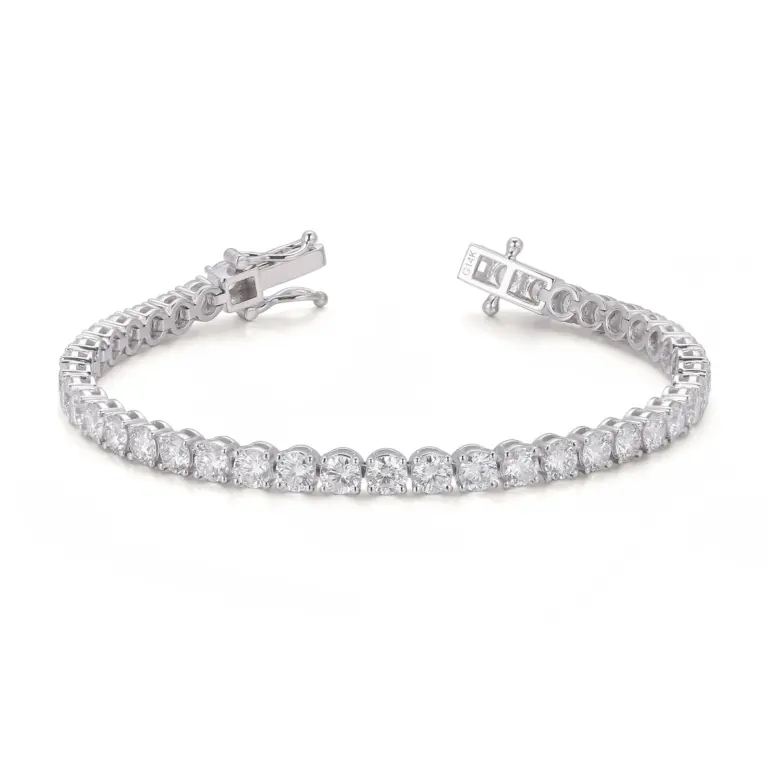
Tennisarmband aus 14-karätigem Weißgold mit rundem, im Labor gezüchtetem Diamanten und vier Krappenfassung
Dieses runde Tennisarmband mit im Labor gezüchteten Diamanten ist aus 14-karätigem Weißgold gefertigt und verfügt über eine sichere Vier-Krappen-Fassung für klassische Brillanz.
Optionen auswählen
Dieses Produkt ist in mehreren Varianten erhältlich. Die Optionen können auf der Produktseite ausgewählt werden.
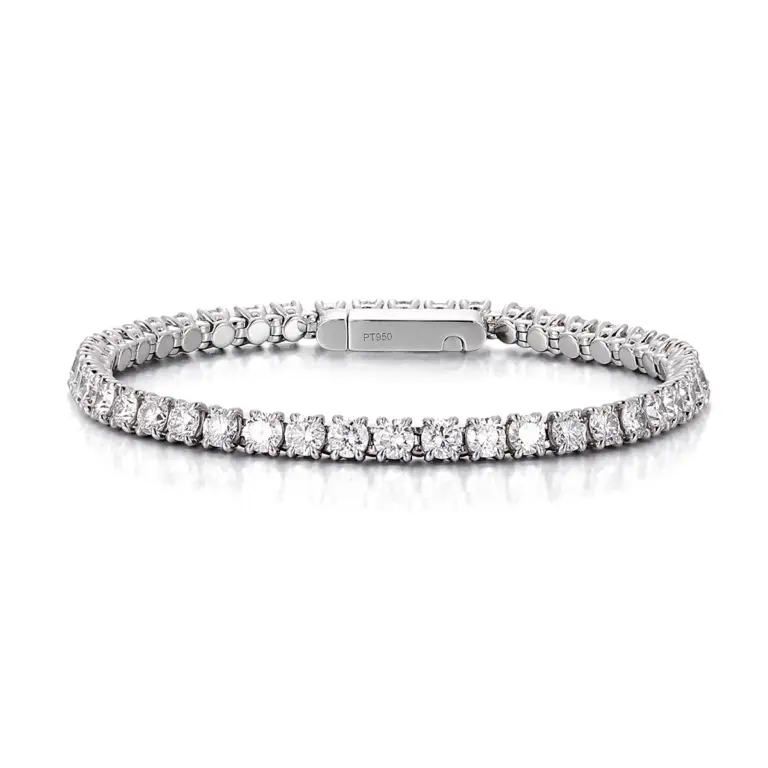
Tennisarmband aus 14-karätigem Weißgold mit rundem, im Labor gezüchtetem Diamanten in Krappenfassung
Dieses Tennisarmband aus 14-karätigem Weißgold mit runden, im Labor gezüchteten Diamanten besticht durch zeitlose Eleganz, brillant gefasste Diamanten und außergewöhnliches Funkeln.
Optionen auswählen
Dieses Produkt ist in mehreren Varianten erhältlich. Die Optionen können auf der Produktseite ausgewählt werden.
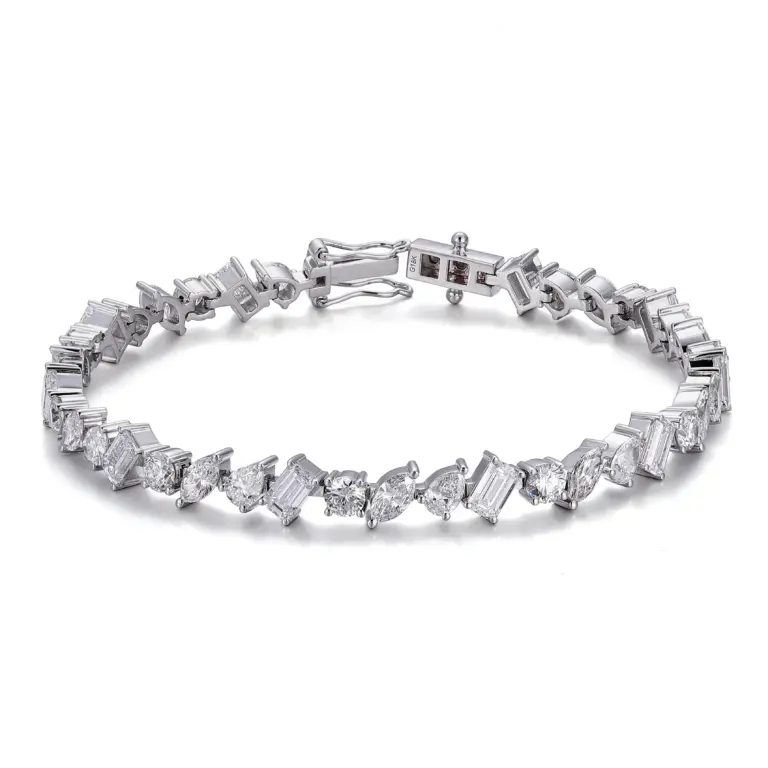
Tennisarmband aus 18-karätigem Weißgold mit rundem, im Labor gezüchtetem Diamanten in Krappenfassung
Dieses luxuriöse und zeitlose Tennisarmband aus 18-karätigem Weißgold besticht durch brillante, runde, im Labor gezüchtete Diamanten in einer sicheren Krappenfassung, die für außergewöhnlichen Glanz sorgen.
Optionen auswählen
Dieses Produkt ist in mehreren Varianten erhältlich. Die Optionen können auf der Produktseite ausgewählt werden.
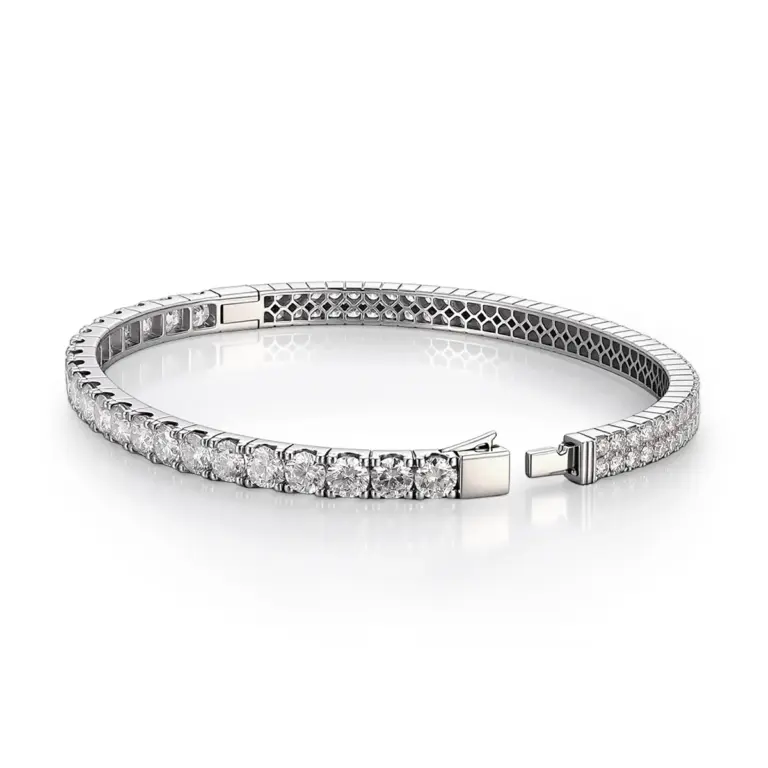
Klassisches Armband aus 14-karätigem Gold mit runden, im Labor gezüchteten Diamanten
Das klassische Tennisarmband, neu interpretiert in 14-karätigem Gold – 6,59 Karat runde, im Labor gezüchtete Diamanten fügen sich nahtlos zu einem Schmuckstück zusammen, das sowohl zu Jeans als auch zu einem Abendkleid passt.
Optionen auswählen
Dieses Produkt ist in mehreren Varianten erhältlich. Die Optionen können auf der Produktseite ausgewählt werden.
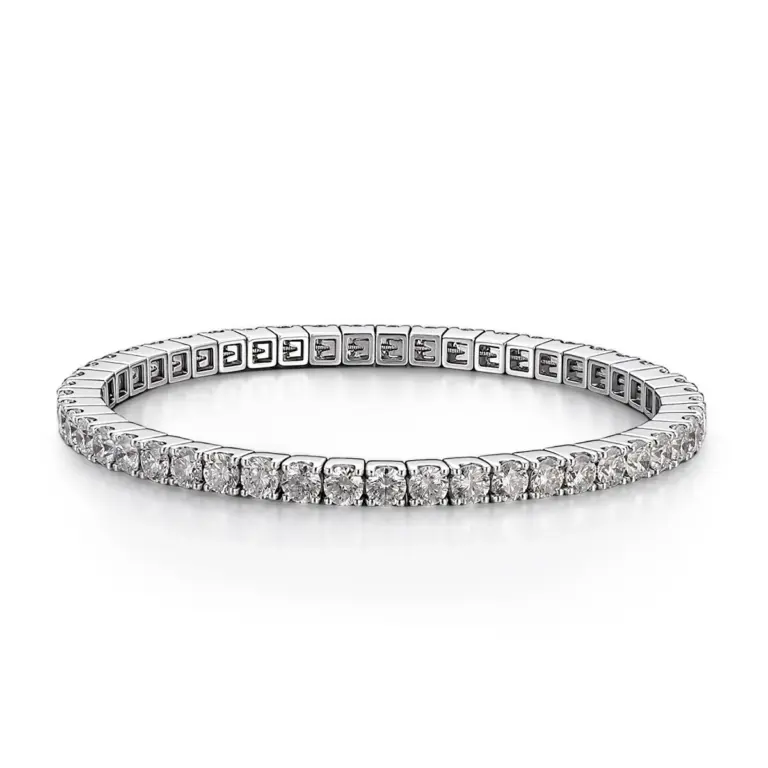
Müheloses Platin-Armband mit runden, im Labor gezüchteten Diamanten
Das klassische Tennisarmband neu interpretiert in Platin ?? 8,17 Karat runde, im Labor gezüchtete Diamanten sind nahtlos miteinander verbunden und ergeben ein Schmuckstück, das gleichermaßen zu Jeans wie zu einem Abendkleid passt.
Optionen auswählen
Dieses Produkt ist in mehreren Varianten erhältlich. Die Optionen können auf der Produktseite ausgewählt werden.