
List of Yellow Gemstones: Best Types for Rings & Jewelry
- Verfasst von Provence-Team
- Updated on September 16, 2026
Inhaltsverzeichnis
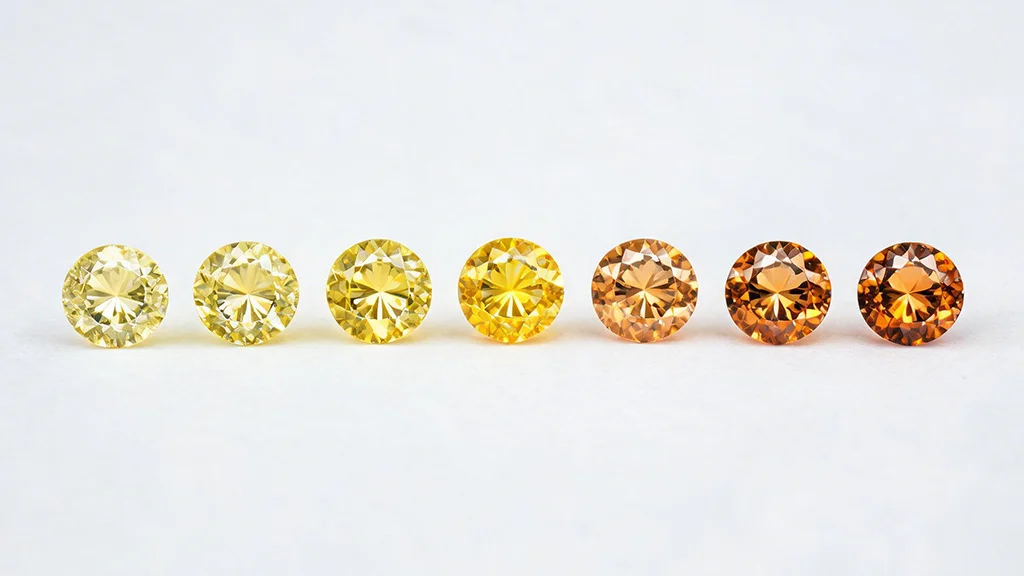
Yellow gemstones have quietly become one of the most sought-after color families in fine jewelry. They read as warm and optimistic without the expected-ness of white diamonds or the high price ceiling of blue sapphire — and the category spans everything from $10-a-carat citrine to fancy vivid yellow diamonds that sell for tens of thousands per carat.
The challenge is that "yellow gemstone" isn't one stone — it's a color shared by more than two dozen distinct minerals, each with its own hardness, treatment history, and price logic. Buy the wrong one for the wrong setting and you'll be replacing a scratched or chipped stone within a few years. Buy the right one and you get decades of everyday wear at a fraction of what a colorless diamond of the same size would cost.
This guide breaks down the full range of yellow gemstones by durability, price, and best use, so you can shop with the same information a gemologist would use.
Yellow Gemstones at a Glance
| Edelstein | Mohs-Härte | Typical Price/Carat | Common Treatment | Am besten geeignet für |
|---|---|---|---|---|
| Yellow Diamond | 10 | $2,000–$20,000+ | Often untreated (natural); HPHT for treated | Daily-wear rings |
| Yellow Sapphire | 9 | $200–$3,000+ | Heat treatment (~95% of market) | Daily-wear rings |
| Chrysoberyl | 8.5 | $100–$500 | Üblicherweise unbehandelt | Daily-wear rings |
| Yellow Topaz | 8 | $10–$500+ | Heat/irradiation | Earrings, pendants |
| Golden Beryl (Heliodor) | 7,5–8 | $50–$800 | Occasionally irradiated | Rings, statement pieces |
| Citrin | 7 | $10–$150 | Heat-treated amethyst/smoky quartz | Daily-wear rings, all jewelry |
| Yellow Tourmaline | 7–7,5 | $100–$600 | Üblicherweise unbehandelt | Rings, pendants |
| Lemon Quartz | 7 | $10–$150 | Heat/irradiation | Fashion jewelry |
| Yellow Garnet (Mali/Hessonite) | 6,5–7,5 | $100–$4,000+ | Almost always untreated | Rings (premium alt. to sapphire) |
| Yellow Zircon | 6–7.5 | $50–$1,500+ | Heat treatment (~80–90%) | Earrings, pendants |
| Yellow Jade | 6–7 | $20–$3,000+ | Often bleached/polymer-treated | Cabochons, carvings |
| Danburite | 7 | $50–$200 | Üblicherweise unbehandelt | Earrings, pendants |
| Yellow Sphene | 5–5.5 | $200–$1,000 | Üblicherweise unbehandelt | Collector pieces, protected settings |
| Yellow Apatite | 5 | $50–$300 | Üblicherweise unbehandelt | Earrings, pendants only |
| Scapolite | 5.5–6 | $30–$150 | Üblicherweise unbehandelt | Collector pieces |
Use this table as a starting filter, then read the sections below for the context behind each number.
How Gemologists Judge Yellow Gemstone Quality
Before comparing stones, it helps to understand what actually drives value within the yellow color family.
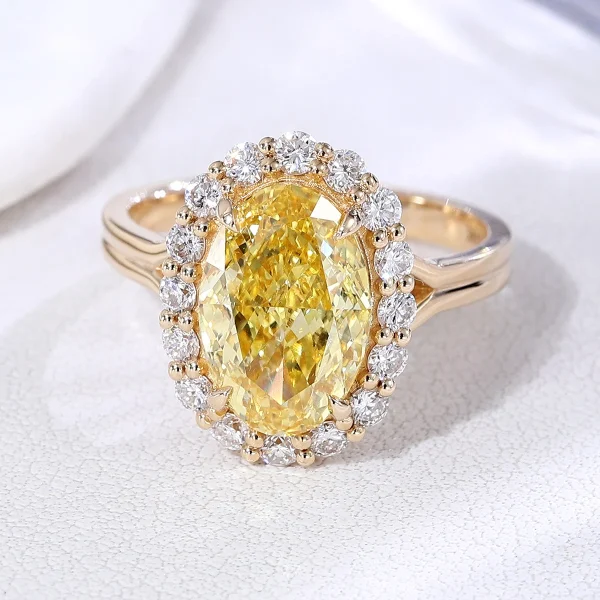
Gemologists assess color through three lenses: hue (the base color, yellow in this case), tone (how light or dark), and saturation (how intense). Yellow behaves differently from most other gem colors — it reaches its maximum saturation at a relatively light tone, usually around 20–30% depth. Push much darker and a "yellow" stone starts reading as brown or olive instead.
A few practical takeaways:
- Secondary hues matter. A touch of orange is usually considered desirable, producing the "golden" look many buyers actually want. Secondary green tones are typically less prized, though a subtle green cast can occasionally create an attractive, almost neon effect.
- Clarity counts for more in yellow stones than in darker colors. Because the tone is light, inclusions are easier to spot with the naked eye. A yellow stone with visible dark inclusions will look noticeably lower quality than a sapphire or ruby with the same clarity grade.
- Treatment disclosure changes the math. Heat treatment is standard and stable in most yellow gem categories (sapphire, topaz, zircon, citrine). Irradiation is common in a smaller subset (lemon quartz, some zircon) and is generally considered safe and permanent, but should still be disclosed. Always ask what treatment, if any, has been applied — it can mean paying double for an untreated stone of otherwise similar appearance.
Use this table as a starting filter, then read the sections below for the context behind each number.
Best Yellow Gemstones for Everyday Wear (Rings)
These stones score at least 6.5 on the Mohs hardness scale and have good enough toughness to withstand daily knocks — the two properties that matter most for ring durability.
Yellow Diamond
The hardest natural substance on Earth (Mohs 10), yellow diamond gets its color from nitrogen impurities in the crystal lattice. Natural fancy yellow diamonds range from a few thousand dollars per carat at lighter intensities to well over $20,000 per carat for vivid, saturated stones. Lab-grown yellow diamonds offer the same hardness and nearly identical appearance at a fraction of the cost, making them an increasingly popular choice for Verlobungsringe and daily-wear pieces. Interestingly, yellow diamonds often show blue fluorescence under UV light — a trait that can actually enhance their look in daylight, unlike the value-reducing fluorescence sometimes seen in colorless diamonds.
Yellow Sapphire
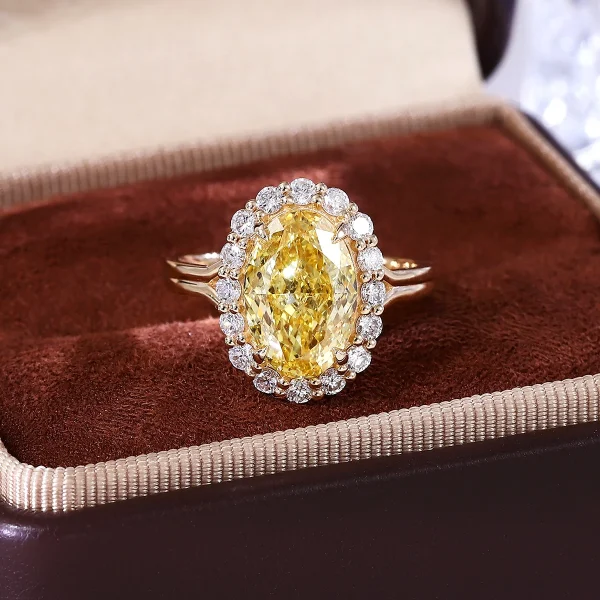
At Mohs 9, yellow sapphire is the most durable colored gemstone commonly used in fine jewelry, and it's considerably more affordable than blue or pink sapphire of comparable quality. Around 95% of yellow sapphire on the market is heat-treated to improve color — a stable, industry-accepted process. Unheated stones with strong color saturation command a real premium. Yellow sapphire is widely considered one of the best all-around choices for an engagement ring in this color family.
Chrysoberyl
Often overshadowed by its color-changing cousin alexandrite, ordinary yellow chrysoberyl is an excellent — and underrated — jewelry stone. At Mohs 8.5, it's extremely scratch-resistant, typically untreated, and available at prices well below sapphire. It doesn't have sapphire's brand recognition, which is exactly why it's worth featuring to buyers looking for something distinctive.
Citrin
The most widely available and affordable yellow gemstone, citrine (Mohs 7) is a variety of quartz. Most commercial citrine on the market is heat-treated amethyst or smoky quartz; naturally colored citrine is rarer and typically commands a higher price. It's soft enough to show wear over many years of daily use compared to sapphire or diamond, but for the price point it remains one of the best value propositions in colored gemstones.
Golden Beryl (Heliodor)
A member of the same mineral family as emerald and aquamarine, golden beryl (Mohs 7.5–8) offers strong clarity and brightness at a fraction of sapphire's price. It's less commonly seen than the stones above, which makes it a good option for buyers wanting something recognizable but not ubiquitous. Occasional irradiation is used to intensify color.
Yellow Garnet (Mali Garnet, Hessonite, Topazolite)
Garnet's yellow varieties are among the few yellow gemstones that are almost always untreated, which adds meaningfully to their appeal for buyers who prioritize natural stones. Mali garnet, sourced exclusively from Mali, West Africa, displays excellent brilliance and fire; topazolite (a yellow andradite garnet) has dispersion that actually exceeds diamond. Prices vary widely by variety and clarity, from a few hundred to several thousand dollars per carat.
Yellow Tourmaline
Genuinely rare in strong yellow saturation, tourmaline (Mohs 7–7.5) gets its color from manganese in the crystal structure. Fine "canary tourmaline" specimens can rival sapphire for color intensity and are prized by collectors and jewelers alike, though prices rise sharply with size and saturation.
Better Suited for Occasional Wear (Earrings & Pendants)
These stones have good but not exceptional hardness, or other durability considerations (brittleness, cleavage) that make them a better fit for jewelry with less daily impact.
Yellow Topaz
With a hardness of 8, yellow topaz resists scratching well but has a perfect cleavage plane that makes it prone to chipping if knocked at the wrong angle. Most yellow topaz on the market is heat-treated or irradiated for color enhancement — a stable, standard practice. Don't confuse ordinary yellow topaz with the much rarer and more valuable imperial topaz, a pinkish-yellow to golden-orange variety.
Yellow Zircon
Zircon has exceptional brilliance and dispersion, often outperforming diamond in sparkle, but its somewhat brittle nature makes it better suited to earrings and pendants than rings subject to daily knocks. The vast majority of yellow zircon on the market — around 80–90% — is heat-treated.
Yellow Jade
Both nephrite and jadeite occur in yellow tones, valued for their smooth texture and waxy luster. Much of the yellow jade sold commercially is treated (bleached and polymer-impregnated); untreated material with good color is rare and considerably more valuable. Because jade is typically cut as cabochons or carvings rather than faceted, it's better suited to pendants and beads than brilliance-focused ring designs.
Danburite
A relatively unknown but excellent-value gemstone, danburite (Mohs 7) offers strong clarity and brilliance at accessible prices, though some heat sensitivity makes it a slightly safer choice for earrings and pendants than for rings that see constant wear.
Golden South Sea Pearl
The most luxurious organic yellow gemstone, golden South Sea pearls grow larger than most other pearl types and are prized for their satiny luster. Natural, untreated strands are rare and expensive; treated strands offer a more accessible route to the same look.
Amber & Fire Opal
Both are attractive, affordable additions to the yellow palette, but their organic origin (amber) or moderate hardness and sensitivity to temperature changes (fire opal) make them better suited to lower-impact settings.
Collector and Specialty Stones
These yellow gemstones are prized by collectors and used in protected jewelry settings, but their low hardness or brittleness generally rules out everyday rings.
- Yellow Sphene (Titanite) — Mohs 5–5.5, but with dispersion higher than diamond, producing exceptional fire in properly cut stones.
- Yellow Apatite — Mohs 5, with an intensely saturated "electric" yellow that's hard to match, best kept to pendants or protected settings.
- Scapolite — Mohs 5.5–6, a honey-yellow rarity often confused with citrine, too brittle for ring use.
- Yellow Sphalerite — dispersion nearly three times that of diamond, but too soft and brittle for anything beyond display.
- Grossular/Mali Garnet variants, Sinhalite, Kornerupine, Axinite, Danburite variants — genuinely rare species that appeal mainly to collectors and connoisseurs seeking something beyond the mainstream list.
Understanding Treatments in Yellow Gemstones
Because color intensity drives so much of a yellow gemstone's value, treatment is common across the category — but not universal, and disclosure standards vary.
- Heat treatment is standard, stable, and permanent in yellow sapphire, most yellow topaz, and the majority of yellow zircon. It's widely accepted in the trade and doesn't need to be a red flag, but it should affect the price you pay.
- Irradiation is used to produce lemon quartz and to enhance some zircon and topaz. It's considered safe for wear, but irradiated stones can occasionally be more prone to fading with prolonged sun exposure.
- Bleaching and polymer treatment are common in commercial yellow jade and should always be disclosed, since treated material is more porous and less durable than untreated stone.
- Naturally colored, untreated stones — yellow garnet, most chrysoberyl, fine sapphire, and natural fancy yellow diamonds — carry a premium precisely because untreated color is rarer.
As a rule, ask for treatment disclosure on any yellow gemstone purchase above a modest price point; reputable sellers and manufacturers should be able to confirm this without hesitation.
How to Choose the Right Yellow Gemstone
Rather than starting from a list of names, it's more useful to start from how the piece will be worn.
If it's an engagement ring or another piece worn daily: prioritize hardness of 8 or above — yellow diamond, yellow sapphire, or chrysoberyl. Citrine is a workable budget option but expect more wear over the years.
If it's for earrings, pendants, or occasional-wear pieces: hardness requirements loosen considerably. Yellow topaz, zircon, danburite, and golden beryl all perform well here and open up more color and price options.
If budget is the primary driver: citrine and lemon quartz deliver strong color at the lowest cost per carat, with good enough durability for most jewelry uses.
If natural, untreated color matters to you: look toward yellow garnet, chrysoberyl, or fine natural sapphire — these are the categories where untreated material is most available.
If rarity and collector value matter: yellow tourmaline, sphene, and the rarer garnet varieties (Mali garnet, topazolite) offer genuine scarcity most buyers never encounter.
Styling Yellow Gemstones
Yellow gold is the traditional pairing and tends to intensify the warmth of yellow stones, while white gold or platinum creates more contrast and a slightly more modern look. Halo settings — surrounding the center stone with smaller white diamonds — help boost perceived brilliance in softer-toned yellow stones like citrine or golden beryl, while bezel settings offer extra physical protection for softer or more brittle stones like topaz or zircon.
Häufig gestellte Fragen
The main yellow gemstones include yellow diamond, yellow sapphire, citrine, yellow topaz, golden beryl (heliodor), chrysoberyl, yellow garnet, yellow zircon, and yellow tourmaline, along with rarer collector stones like sphene, danburite, and scapolite.
Citrine and lemon quartz are the most budget-friendly options, typically ranging from $10–$150 per carat, while still offering good durability for everyday jewelry.
Natural fancy vivid yellow diamonds are the most expensive, followed by unheated yellow sapphire, fine untreated yellow garnet, and rare yellow tourmaline.
Yellow diamond, yellow sapphire, and chrysoberyl are the top choices due to their high hardness (8.5–10) and resistance to everyday wear.
Many are. Heat treatment is standard for yellow sapphire, most yellow topaz, and most yellow zircon. Irradiation is used for lemon quartz and some other varieties. Yellow garnet and most chrysoberyl are typically untreated. Always ask for treatment disclosure before buying.
Some can. Irradiated stones and certain yellow tourmalines may show color changes with prolonged sun exposure, while heat-treated sapphire, natural yellow diamond, citrine, and chrysoberyl generally hold their color well.
Citrine is a quartz variety with a hardness of 7; topaz is a distinct mineral with a hardness of 8 but a perfect cleavage plane that makes it more prone to chipping. Citrine is generally the more affordable and more durable-against-breakage of the two.