
Sterlingsilber vs. Silber: 925 vs. 999 erklärt
- Verfasst von Provence-Team
- Aktualisiert am 9. September 2026
Inhaltsverzeichnis
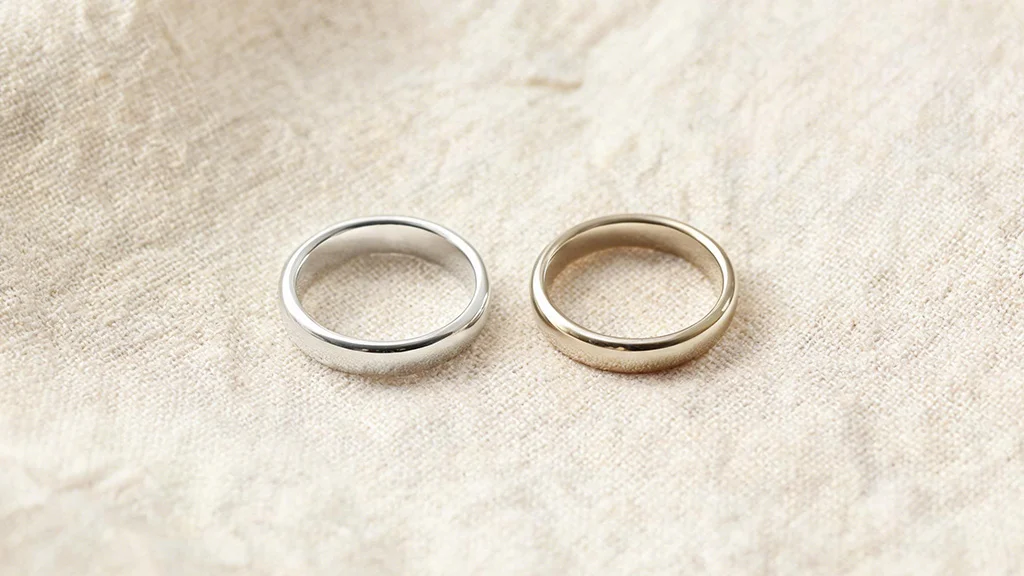
Silber und Sterlingsilber sehen im Regal fast identisch aus, bestehen aber nicht aus demselben Material. Dieser Unterschied beeinflusst, wie sich ein Schmuckstück trägt, ob es anläuft, welchen Wert es hat und zu welchem Schmuckstück es passt. Hier erfahren Sie, was sie unterscheidet – basierend auf metallurgischen Eigenschaften und nicht auf Marketingversprechen.
Was ist reines Silber (Feinsilber)?
Reines Silber – auch Feinsilber genannt – ist Silber in seiner reinsten Form: 99,91 % reines Silber (99,91 TP3T) mit nur Spuren anderer Elemente. Es trägt den Feingehaltsstempel 999 und wird für seinen strahlend weißen Glanz, den hellsten aller Silberqualitäten, sowie seine höchste natürliche Anlaufbeständigkeit geschätzt.
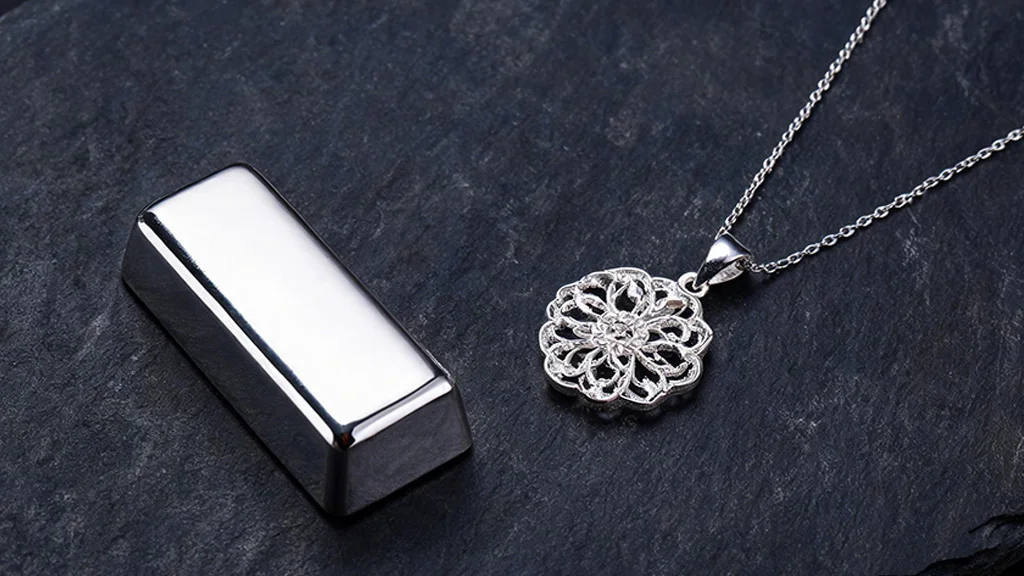
Der Nachteil liegt in der Härte. Auf der Mohs-Skala erreicht Feinsilber einen Wert von etwa 2,5, vergleichbar mit einem Fingernagel. Aufgrund dieser Weichheit ist es leicht zu zerkratzen, einzudellen oder zu verbiegen, weshalb es selten für Ringe, Armbänder oder Schmuckstücke verwendet wird, die täglich Reibung ausgesetzt sind. Feinsilber findet sich häufiger in Anlagebarren und Münzen, in feinkörnigen Granulations- oder Filigranarbeiten sowie in zarten Stücken wie Ohrringen oder Anhängern, die nur selten berührt werden.
Was ist Sterlingsilber?
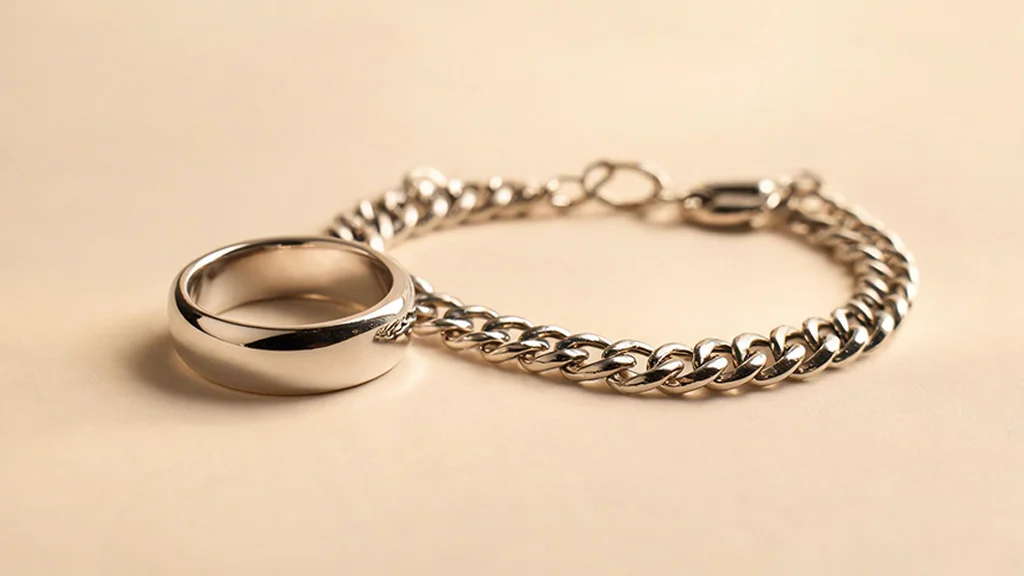
Sterlingsilber löst das Problem der Haltbarkeit durch die Legierung von Silber mit einem härteren Metall. Die Standardrezeptur besteht aus 92,51 % reinem Silber und 7,51 % eines anderen Metalls – fast immer Kupfer – wodurch der Feingehaltsstempel 925 entsteht.
Kupfer ist aus einem bestimmten Grund das bevorzugte Legierungsmetall: Es erhöht die Härte des Metalls erheblich (Sterlingsilber liegt auf der Mohs-Skala näher bei 2,5–3 und weist eine deutlich höhere Streckgrenze als Feinsilber auf), während es Farbe und Glanz kaum verändert, da Kupfer und Silber in diesem Verhältnis eine recht einheitliche Kristallstruktur bilden. Aus diesem metallurgischen Grund wurde Sterlingsilber weltweit zum praktischen Standard für Schmuck, Besteck und Dekorationsgegenstände – und nicht etwa aufgrund einer willkürlichen Branchenkonvention.
Kurzdefinition
Feinsilber (999) = 99,9% Silber — weich, glänzend, anlaufbeständig, am besten geeignet für Wertanlagen oder empfindliche Stücke.
Sterlingsilber (925) = 92,51 % Silber + 7,51 % Legierungsmetall (meist Kupfer) – härter, erschwinglicher, der Standard der Schmuckindustrie.
Sterlingsilber vs. Silber: Ein direkter Vergleich
Attribut | Feinsilber (999) | Sterlingsilber (925) |
Silbergehalt | 99.9% | 92.5% |
Legierungsmetall | Nur Spurenelemente | 7,5% Kupfer (typischerweise) |
Härte (Mohs) | ~2,5 — sehr weich | ~2,5–3 — merklich schwieriger |
Anlaufbeständigkeit | Hoch | Mäßig – Kupfer reagiert mit der Zeit mit Schwefel/Feuchtigkeit. |
Aussehen | Am hellsten, am weißesten | Hell mit einem etwas wärmeren Ton |
Typische Anwendungen | Barren, Münzen, empfindliche/wenig abgenutzte Stücke | Ringe, Ketten, Armbänder, Ohrringe, Besteck |
Preis pro Gramm | Höherer Silbergehalt | Niedriger (geringerer Silbergehalt) |
Gemeinsames Kennzeichen | 999 oder "Feinsilber" | 925 oder "Sterling" |
Weitere Silberqualitäten, die man kennen sollte
925 und 999 sind nicht die einzigen gängigen Normen. Einige andere tauchen so häufig auf, dass es sich lohnt zu wissen, wo sie einzuordnen sind:
- Britannia Silver (958) – 95,81 TP3T Feinsilber, eine Stufe zwischen Sterlingsilber und Feinsilber, historisch verwendet für britisches Silberbesteck und Stempelung.
- Münzsilber (900) — 90% rein, der historische Standard für US-Münzen vor 1965 und einige antike Silberwaren; weicheres Legierungsverhältnis als Sterling.
- Argentium Silver – eine moderne Alternative zu Sterlingsilber, bei der ein Teil des Kupfers durch Germanium ersetzt wird, wodurch eine verbesserte Anlaufbeständigkeit erzielt wird, während gleichzeitig der Silbergehalt von 92,5%+ und die Haltbarkeit von Standard-Sterlingsilber erhalten bleiben.
- Neusilber (auch bekannt als Neusilber) enthält trotz des Namens überhaupt kein Silber; es handelt sich um eine Kupfer-Zink-Nickel-Legierung, die manchmal als preisgünstige Alternative verwendet wird.
Warum läuft Sterlingsilber stärker an als reines Silber?
Anlaufen ist eine chemische Reaktion und kein Zeichen mangelnder Qualität. Reines Silber ist ein Edelmetall und reagiert kaum mit Sauerstoff. Es – und insbesondere das Kupfer im Sterlingsilber – reagiert jedoch mit Schwefelverbindungen in der Luft, in Hautfetten und in Haushaltsprodukten wie Gummi, Wolle und bestimmten Kosmetika. Bei dieser Reaktion bildet sich Silbersulfid, der dunkle Belag, der als Anlaufen bekannt ist.
Da Sterlingsilber Kupfer enthält, läuft es schneller und deutlicher an als Feinsilber. Dies ist normal und lässt sich durch regelmäßiges Polieren beheben – es bedeutet weder, dass das Metall an Qualität verliert, noch dass das Schmuckstück an Wert einbüßt.
Einfache Pflegetipps
- Bewahren Sie die Stücke in einem luftdichten Beutel oder einem Anlaufschutztuch auf, geschützt vor Feuchtigkeit und direkter Sonneneinstrahlung.
- Silber sollte nicht mit Parfums, Lotionen, Chlor und Haushaltsreinigern in Berührung kommen.
- Verwenden Sie zum Reinigen ein weiches Poliertuch und keine Scheuermittel.
- Das regelmäßige Tragen von Silber kann das Anlaufen sogar verlangsamen, da die Hautöle eine leichte Schutzbarriere bilden.
Wie man Sterlingsilber von reinem Silber unterscheidet
- Prüfen Sie die Punze: Achten Sie auf die Angabe "925" oder "Sterling" im Gegensatz zu "999" oder "Fine Silver", die an einer unauffälligen Stelle auf dem Schmuckstück eingeprägt ist.
- Gewicht und Haptik: Feinsilber ist etwas weicher und kann direkt nach dem Auspacken leichter Kratzer zeigen.
- Magnettest: Beide Arten sind nicht magnetisch – wenn ein Stück von einem Magneten angezogen wird, handelt es sich höchstwahrscheinlich gar nicht um echtes Silber.
- Professionelle Prüfung: Für eine definitive Messung kann ein Juwelier eine Säureprobe oder eine Röntgenfluoreszenzanalyse (RFA) durchführen, um den genauen Silbergehalt zu bestätigen.
Welche sollten Sie wählen?
Die richtige Wahl hängt letztendlich davon ab, wie das Kleidungsstück getragen werden soll und worauf Sie Wert legen.
Wählen Sie Sterlingsilber, wenn:
- Sie wünschen sich Schmuck für den Alltag – Ringe, Armbänder und Ketten, die der täglichen Reibung standhalten müssen.
- Das Schmuckstück wird mit Edelsteinen besetzt, darunter im Labor gezüchtete Diamanten, Moissanit oder Zirkonia – die zusätzliche Festigkeit von Sterlingsilber sorgt dafür, dass Krappen und Fassungen im Laufe der Zeit sicherer halten als bei Feinsilber.
- Sie wünschen sich einen niedrigeren Preis, ohne dabei auf Langlebigkeit verzichten zu müssen.
Wählen Sie Feinsilber, wenn:
- Sie kaufen zu Anlagezwecken – Barren und Münzen sind fast immer aus 999er Feinsilber.
- Das Schmuckstück ist dekorativ oder kontaktarm – zarte Anhänger, Sammlerstücke oder Kunstgegenstände.
- Maximale Leuchtkraft und minimales Anlaufen sind wichtiger als die Haltbarkeit im Alltag.
Die Sicht eines Herstellers auf Sterlingsilber
Aus produktionstechnischer Sicht ist Sterlingsilber aufgrund seiner ausgewogenen Verarbeitbarkeit und Festigkeit genau das, was es für die Massenproduktion geeignet macht. Es lässt sich sauber gießen, gut löten, nimmt Rhodium oder andere Beschichtungen problemlos auf und bewahrt feine Details in Gussfassungen – und ist gleichzeitig robust genug, um Edelsteinfassungen für den täglichen Gebrauch zu tragen.
Als Hersteller von Schmuck aus Massivgold, Sterlingsilber, im Labor gezüchteten Diamanten, Moissanit und Zirkonia für Markenpartner weltweit, Provence Schmuck Der Silbergehalt wird bereits in der Legierung geprüft und die fertigen Produkte präzise punziert, sodass Käufer – ob Endkunden oder Großhandelspartner – genau wissen, was sie erhalten. Die Unterschiede zwischen den Silberqualitäten zu kennen, ist nicht nur ein Einkaufstipp, sondern gehört zu einer verantwortungsvollen Beschaffung von OEM/ODM-Partnern.
Häufig gestellte Fragen
Ja. Sterlingsilber besteht zu 92,51 % aus reinem Silber (nach Gewicht) – es handelt sich um eine echte Silberlegierung, kein Imitations- oder plattiertes Metall. Die restlichen 7,51 % Silber werden speziell zur Erhöhung der Festigkeit hinzugefügt.
Gelegentlich kann es zu Hautirritationen kommen, die durch die Reaktion des Kupfergehalts mit Hautfetten oder Feuchtigkeit verursacht werden, nicht durch mangelnde Qualität. Dies tritt häufiger in feuchten Klimazonen oder bei längerem Kontakt auf und lässt sich in der Regel durch Sauberhalten und Trockenhalten des Schmuckstücks vermeiden.
Kurzer Kontakt mit Wasser schadet nicht, aber Chlor, Salzwasser und anhaltende Feuchtigkeit beschleunigen das Anlaufen und können bestimmte Oberflächenbehandlungen mit der Zeit beeinträchtigen. Daher ist es ratsam, die Kleidung vor dem Schwimmen oder Baden zu entfernen.
Reines Silber ist aufgrund seines höheren Silbergehalts pro Gramm wertvoller. Sterlingsilber ist im Allgemeinen günstiger und aufgrund seiner höheren Haltbarkeit bei fertigem Schmuck oft die praktischere und langlebigere Wahl.
Ja – "925" bezieht sich auf den Feingehalt (925 Teile pro 1.000 Feinsilber) und ist die Standardpunze zur Kennzeichnung von Sterlingsilber.
Schlussbetrachtung
Sterlingsilber und Feinsilber haben beide ihre Berechtigung – das eine für Langlebigkeit und den täglichen Gebrauch, das andere für Reinheit und Wertanlage. Kennt man den Unterschied, kann man das Material dem jeweiligen Zweck entsprechend auswählen, egal ob man einen Ring für den Alltag oder einen Barren für die Sammlung sucht.