
White Gold vs Platinum: Which is Better in 2026?
- Written by Provence Team
- Updated on June 22, 2026
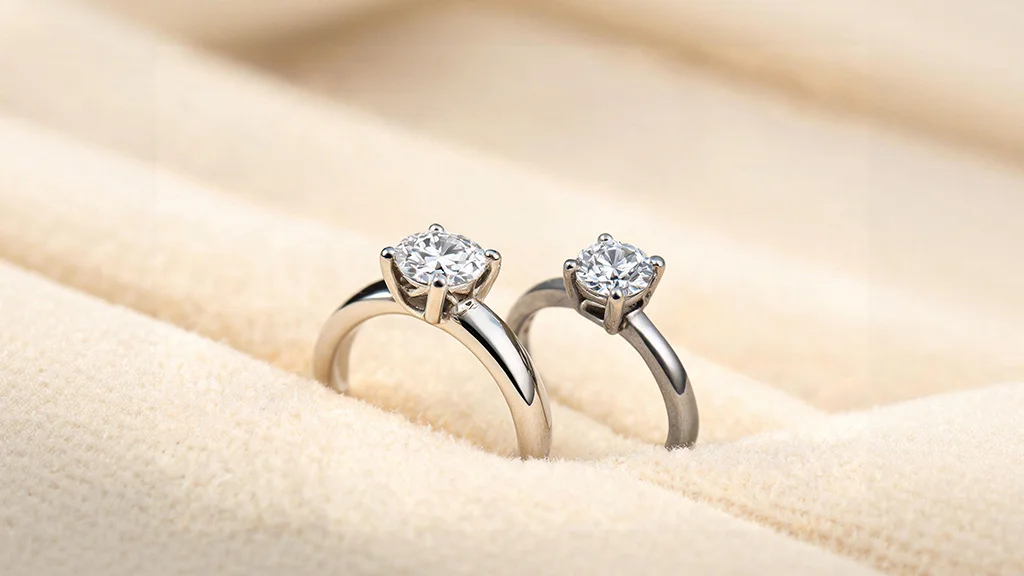
Table of Contents
Set a white gold ring and a platinum ring side by side and most people can't tell them apart. Both have that cool, silvery shine that makes a diamond pop. Both get called the "premium" choice for engagement rings. And both come with a price tag that's about to feel different than it did even a year ago.
Here's what's changed: as of late June 2026, gold is trading at roughly $4,165 per ounce, while platinum sits at around $1,679 per ounce. That's gold costing nearly two and a half times more than platinum, ounce for ounce — a sharp reversal from the pricing story most engagement ring guides are still telling. It doesn't flip the final answer on its own, because platinum jewelry is made from far purer metal than gold jewelry is. But it does change the math, and almost nothing written about this comparison accounts for it yet.
This guide breaks down what white gold and platinum actually are, how they perform over years of daily wear, what they cost right now in the US and the UK/EU, and which one makes more sense for your situation — engagement ring, wedding band, or otherwise.
White Gold vs Platinum at a Glance
|
Features |
White Gold |
Platinum |
|---|---|---|
|
Composition |
Yellow gold alloyed with white metals (palladium, silver, sometimes nickel), finished with rhodium plating |
90–95% pure platinum, alloyed with a small amount of ruthenium, iridium, or cobalt |
|
Natural color |
Pale yellow-grey before plating; bright white only after rhodium plating |
Naturally white-grey; no plating needed |
|
Weight |
Noticeably lighter — easier for large pieces and earrings |
Roughly 40% denser than 18k gold; a substantial, weighty feel |
|
Durability |
Harder on the Mohs scale; resists denting but loses metal when scratched |
Softer but more malleable; develops a patina instead of losing metal |
|
Maintenance |
Rhodium replating needed every 1–3 years to stay bright |
Occasional polishing only; patina can be polished out or kept |
|
Hypoallergenic |
Depends on alloy — may contain nickel |
Yes, due to high purity — the safest choice for sensitive skin |
|
Typical price (US) |
Lower upfront cost, but add ongoing replating |
Higher upfront cost; minimal recurring costs |
|
Typical price (UK/EU) |
Lower upfront cost; budget £30–£70 per replating visit |
Higher upfront cost; legally hallmarked at UK Assay Offices |
|
Best for |
Budget-conscious buyers, detailed engraving, lighter everyday pieces |
Sensitive skin, heirloom pieces, low-maintenance daily wear |
What Is White Gold? and What Is Platinum?
White gold: gold with a disguise
Pure gold is naturally yellow and far too soft for everyday jewelry on its own — it would scratch and bend within weeks. White gold solves both problems at once: jewelers alloy pure gold with white metals like palladium, silver, and sometimes nickel, which both hardens the metal and lightens its color from yellow toward a pale grey.
That pale grey still isn't the bright white most people picture, though. To get there, the finished piece is coated with rhodium — a member of the platinum family — through an electroplating process. The rhodium layer is what gives a brand-new white gold ring its mirror-bright shine. It's also, as you'll see in a moment, the part of white gold that needs the most ongoing attention.
Purity is described in karats, and the standard varies by market:
- 18k gold — 75% pure gold, the most common standard in Europe and the UK
- 14k gold — about 58.3% pure gold, the most common standard in the US
- 9k gold — 37.5% pure gold, widely sold in the UK as a budget option, rarely seen in the US
- 24k gold — 100% pure, essentially never used in jewelry because it's too soft to hold its shape
Higher karat means more gold content, a warmer undertone showing through the plating sooner, and — generally — a higher price. Lower karat is harder-wearing and cheaper, but the alloy content is higher, which matters if you're sensitive to nickel.
Platinum: white by nature
Platinum doesn't need a disguise. Jewelry-grade platinum is 90–95% pure platinum, alloyed with just a touch of ruthenium, iridium, or cobalt to make it workable. That high purity is the source of almost everything distinctive about platinum: its natural white-grey color, its weight, its hypoallergenic reputation, and its higher production cost.
From a manufacturing standpoint, platinum is genuinely harder to work with than gold. It has a much higher melting point, which means casting it requires specialized furnaces and tighter process control than gold alloys do. That's part of why platinum jewelry has historically carried a price premium that goes beyond the raw metal cost — the labor and equipment behind it cost more too.
The 2026 Price Comparison — Why This Year Is Different
For most of the past two decades, the comparison was simple: platinum costs more than gold, full stop. That's no longer true at the level of raw metal.
Current spot prices (late June 2026)
Gold: approximately $4,165 per troy ounce
Platinum: approximately $1,679 per troy ounce
Gold is currently trading at roughly 2.5x the price of platinum, by weight
Spot prices change daily — treat these as a snapshot, not a fixed figure
That gap is dramatic, and it's a genuine reversal of the historical pattern. So why does platinum jewelry still tend to cost more than white gold jewelry in the showcase? Two reasons, and they matter more than the spot price headline:
- A platinum ring is 90–95% platinum. An 18k gold ring is only 75% gold, and a 14k ring is closer to 58%. Even with gold's higher spot price, a white gold ring simply contains far less of its base precious metal by proportion — the rest is comparatively inexpensive alloy.
- Platinum is significantly denser than gold. A ring with identical dimensions in platinum will weigh more — and contain more total precious metal — than the same ring cast in white gold.
Here's a simplified, illustrative comparison showing just the precious-metal value for a 6-gram ring — a typical weight for a mid-size solitaire setting — based on current spot prices:
|
Metal |
Purity |
Precious-metal value (approx., 6g ring) |
|---|---|---|
|
14k white gold |
58.3% gold |
≈ $470 |
|
18k white gold |
75% gold |
≈ $600 |
|
950 platinum |
95% platinum |
≈ $310 |
Notice what happened: on a pure metal-value basis at today's prices, 18k white gold's gold content is now worth more than the platinum content in a platinum ring of the same weight. That's the headline most jewelry sites haven't caught up to yet.
This is purely the raw metal value, though — it doesn't include labor, casting complexity, rhodium plating, or retail markup, all of which still tend to push finished platinum jewelry prices above finished white gold prices at checkout. Treat it as context for understanding the trend, not as a literal store price.
Durability: How Each Metal Wears Over Time
Composition and price get people in the door, but durability is what they live with for the next twenty, thirty, fifty years.
Platinum ages, it doesn't disappear
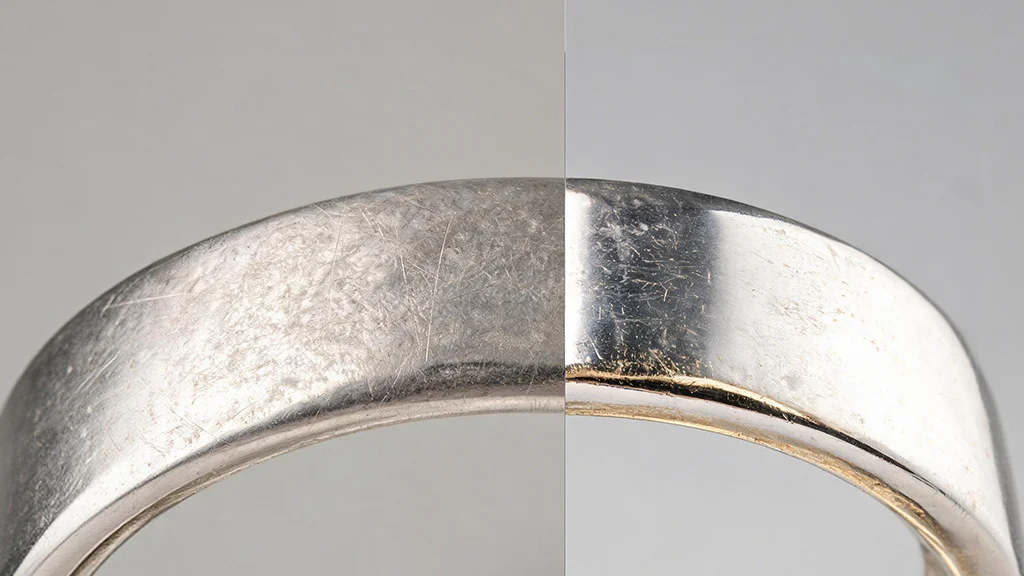
Platinum's density makes it remarkably resistant to everyday wear — but not to scratching. What's different is what happens when it does scratch. Platinum is malleable enough that a scratch typically just displaces the metal rather than removing it, gradually building what's called a patina: a soft, slightly matte texture that develops with age. Some people love this look; others prefer to have it professionally repolished back to a mirror finish. Either way, the metal itself isn't being lost, which is why platinum pieces can be passed down for generations without becoming thin or fragile.
White gold holds its edge, then loses material
White gold alloys score harder than platinum on the Mohs hardness scale, which means a brand-new white gold ring resists dents and holds crisp design details — like sharp edges, mill grain, or engraving — better than platinum does in the short term. The tradeoff shows up over years rather than days: when white gold scratches, it's actually losing tiny amounts of metal rather than just displacing it. An old, well-worn white gold ring can become visibly thinner over decades in a way platinum typically doesn't.
Best choice by design
- Engraved patterns or fine detail on the ring's outer surface: white gold holds the detail better
- Delicate pavé or fine prong settings: white gold's rigidity gives more support to small stones
- Square or bevelled edges: white gold keeps a sharper line
- Men's classic wedding bands, worn daily for decades: platinum's patina and lack of material loss make it the better long-haul choice
- Heirloom pieces meant to be resized and passed down: platinum
Color and the Rhodium Plating Question
This is the section that decides a lot of buying decisions, because it's the one ongoing cost difference between these two metals that actually shows up on a calendar.
White gold's bright white finish comes entirely from its rhodium plating, and that plating wears down with normal wear — faster on rings than on earrings or pendants, since rings are in near-constant contact with hard surfaces. As the plating thins, the warmer, slightly yellow-grey tone of the underlying gold alloy starts to show through, most noticeably at the band's high-contact points.
Replating isn't expensive per visit, but it is a recurring cost that platinum simply doesn't have:
|
Market |
Typical replating cost |
Typical frequency |
|---|---|---|
|
United States |
$50 – $150 per piece |
Every 1–3 years, depending on wear |
|
United Kingdom |
£30 – £70 per piece |
Every 1–3 years, depending on wear |
Over a decade of daily wear, that adds up to a few hundred dollars or pounds in upkeep that a platinum ring simply doesn't require. It's rarely enough to change someone's decision on its own, but it's worth budgeting for rather than discovering the first time your ring starts looking dull at the edges.
Platinum, by contrast, never needs replating because its color is the metal itself, not a coating. The only "maintenance" most people choose is an optional polish to remove the patina if they'd rather keep the original mirror finish.
Weight and Wearability
Pick up a platinum ring and a same-size white gold ring back to back and the difference is immediate — platinum is roughly 40% denser than 18k gold, so it carries a substantial, settled feel on the hand. Many people read that weight as a marker of quality and luxury, which is part of platinum's enduring appeal for engagement rings.
That same density is exactly why white gold tends to win out for larger statement pieces, drop earrings, or anything where all-day comfort matters more than heft. A pair of large platinum hoop earrings will pull on the earlobe in a way the white gold equivalent won't.
Hypoallergenic Considerations
If you have sensitive skin or a known metal allergy, this section probably matters more to you than price does.
Platinum's 90–95% purity makes it the safest mainstream choice for sensitive skin. There's very little alloy content for skin to react to, which is why platinum is consistently recommended for people who've had reactions to other jewelry metals in the past.
White gold is more variable. Whether it's a problem depends entirely on what it's alloyed with — palladium-based white gold is generally well tolerated, while nickel-based white gold can trigger reactions in people with nickel sensitivity, which is a fairly common allergy. The rhodium plating itself is hypoallergenic and acts as a barrier while it's intact, but once it wears thin, skin can come into direct contact with the alloy underneath.
This is worth flagging specifically for European buyers: the EU restricts the amount of nickel that can be released from items with prolonged skin contact, including jewelry, under REACH nickel regulations. It's a genuinely useful piece of context that's specific to the EU/UK market and rarely shows up in US-focused buying guides.
Cost Breakdown by Market: US vs UK/EU
Sticker prices vary by retailer, design complexity, and gemstone choice, but the underlying pattern holds in both markets: platinum carries a higher upfront cost, white gold carries a lower upfront cost plus ongoing maintenance.
United States
- 14k white gold is the most common standard for US engagement rings and wedding bands, prized for its durability and lower price point
- Platinum settings typically carry a noticeably higher price than an equivalent 14k white gold setting, even with this year's narrower metal-price gap, due to purity and the cost of working with the metal
- Factor in $50–$150 per rhodium replating visit over the life of a white gold piece
United Kingdom and Europe
- 18k gold is the standard purity for fine jewelry across the UK and most of Europe — meaningfully higher gold content than the US 14k standard, which affects both price and how quickly plating wear reveals the warmer tone underneath
- 9k gold is also widely sold in the UK as a budget-friendly option, something most US buying guides never mention because it isn't common there
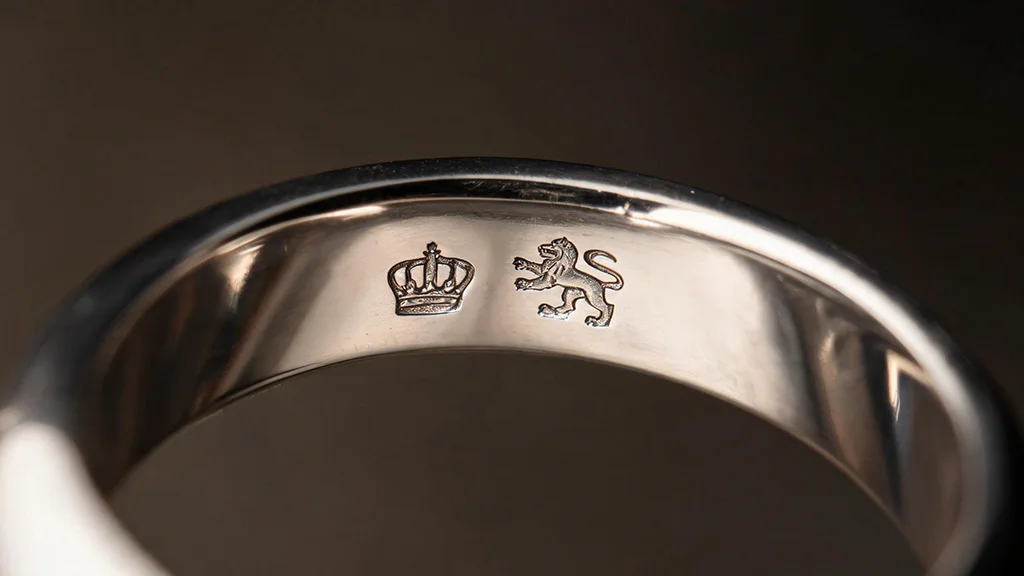
- UK law requires platinum jewelry over 0.5 grams and gold jewelry over 1 gram to be hallmarked by one of the UK's Assay Offices, confirming the metal's purity — a legal protection that doesn't exist in quite the same form in the US retail market
- Budget £30–£70 per rhodium replating visit for white gold pieces
Total cost of ownership is the more useful comparison than sticker price alone. A white gold ring costs less to buy but accumulates replating costs over a decade; a platinum ring costs more upfront but needs little beyond an occasional polish. Over a 10+ year horizon, the gap between the two narrows.
Which Should You Choose?
There's no universally "better" metal here — only a better fit for your priorities. Use this as a quick gut check:
- Choose white gold if: budget matters most, you want a lighter everyday feel, your design has fine engraving or detail work, or you don't mind an occasional trip back to the jeweler
- Choose platinum if: you have sensitive skin, you want the lowest possible long-term maintenance, you're buying a piece meant to last generations, or you simply prefer the weight and feel of a denser metal
- Either way: if you're also buying a matching wedding band, choose the same metal for both pieces — two different metals worn against each other daily will wear each other down faster over time
A Manufacturer's Note: What Happens Behind the Scenes
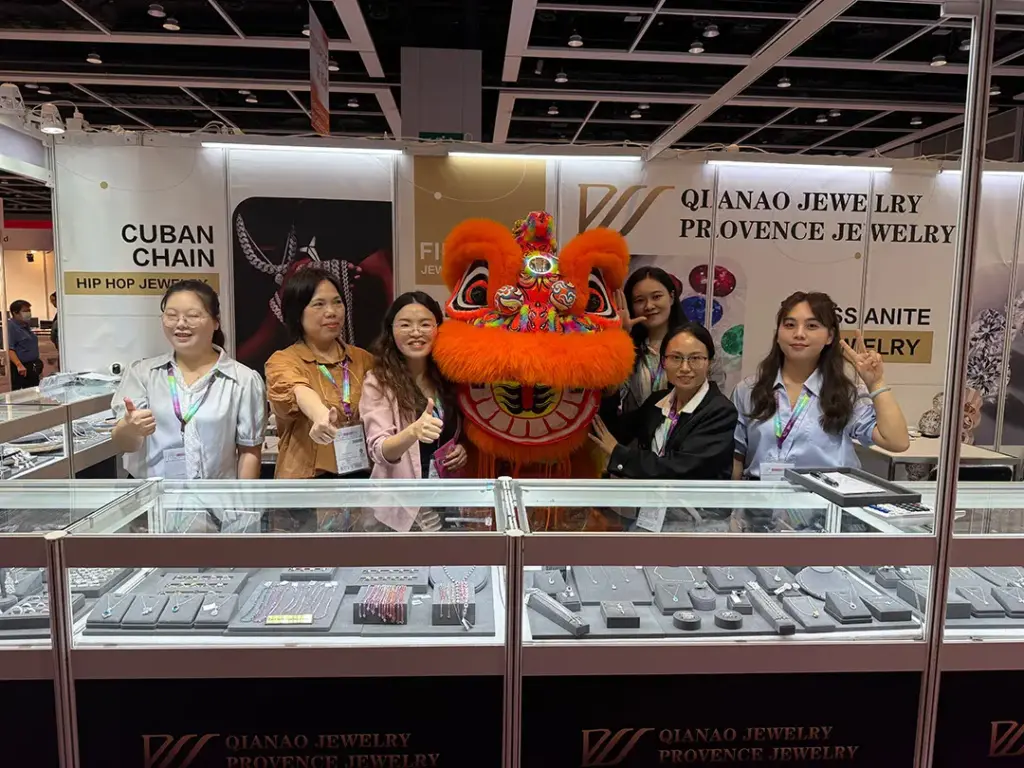
Most of what's written about white gold and platinum comes from retailers describing finished pieces. We see the other side of it — we manufacture fine jewelry in both metals for clients across the US, Europe, Malaysia, and Singapore, so a few things are worth knowing straight from the workshop floor.
Alloy composition is decided at the casting stage, and it's the single biggest factor in how a piece will age — more so than karat alone. Two 14k white gold rings can behave very differently over ten years depending on whether the manufacturer used a palladium-based or nickel-based alloy mix, and whether the rhodium layer was applied at a standard or heavier thickness. None of that is visible to a buyer at the point of sale; a ring fresh out of plating looks the same regardless of what's underneath.
If you're buying from a jeweler or considering a custom or private-label piece, it's worth asking directly what the white gold alloy contains and how thick the rhodium plating is. A manufacturer who can answer specifically — rather than just saying "it's white gold" — is a good sign of how the piece will hold up.
Frequently Asked Questions
Neither metal is objectively better — they suit different priorities. Platinum is more durable over the long term, naturally hypoallergenic, and needs almost no maintenance, but costs more upfront. White gold is lighter, less expensive to buy, and holds fine detail well, but needs periodic rhodium replating to stay bright.
Yes, white gold jewelry is still generally cheaper than platinum jewelry at the point of sale, even though gold's spot price is now roughly 2.5 times platinum's. That's because platinum jewelry is 90–95% pure metal, while white gold is only 58–75% pure gold — the higher purity and denser weight of platinum keep its finished jewelry price higher despite the cheaper raw platinum.
White gold itself doesn't turn yellow — its rhodium plating wears away, revealing the naturally pale yellow-grey alloy underneath. Replating restores the bright white finish.
Most white gold rings need replating every 1 to 3 years, depending on how often the piece is worn and how much daily friction it experiences. Rings wear faster than earrings or pendants.
Yes. Platinum's 90–95% purity makes it one of the safest metals for sensitive skin, with very little alloy content to trigger a reaction.
Yes, they can be worn together comfortably and look very similar side by side. The one caution is for pieces that rub against each other constantly, like a stacked engagement ring and wedding band — pairing different metals there can cause one to wear down the other faster than matching metals would.
Platinum is roughly 40% denser than 18k white gold, so a platinum piece will always feel noticeably heavier than a white gold piece of the same size and design.
Platinum is generally the better choice for securing diamonds long-term, thanks to its strength and resistance to metal loss, and it's the safer option for sensitive skin. White gold is a strong choice for buyers prioritizing budget, a lighter feel, or intricate engraving.
Check the hallmark stamp inside the band — platinum is typically marked "PT" or "PLAT" with 900 or 950, while white gold is marked with a karat number like "14K" or "18K." Platinum also feels noticeably heavier, and over time shows a soft patina rather than a yellowing tone.
Yes. UK law requires platinum jewelry over 0.5 grams to be hallmarked by an official Assay Office, confirming its purity. The same requirement applies to gold jewelry over 1 gram.
Platinum can scratch, but unlike white gold, the metal is typically just displaced rather than lost — this is what creates its signature patina finish rather than thinning the metal over time.
Platinum is the better choice for sensitive skin because of its high purity. White gold can be a safe option too, but only if it's alloyed with palladium rather than nickel — worth confirming with your jeweler if you have a known metal allergy.
Find Your Metal at Provence Jewelry
Whether you're drawn to platinum's quiet permanence or white gold's lighter, brighter finish, the right choice comes down to how you live, not just how it looks in the case.
Browsing for yourself: Explore our white gold and platinum engagement ring collections to see both metals side by side before you decide.
Sourcing for your brand: If you're a retailer or designer sourcing white gold or platinum jewelry, our manufacturing team can walk you through alloy specifications, MOQs, and private-label options direct from our workshop.
 English