Split Shank Engagement Rings
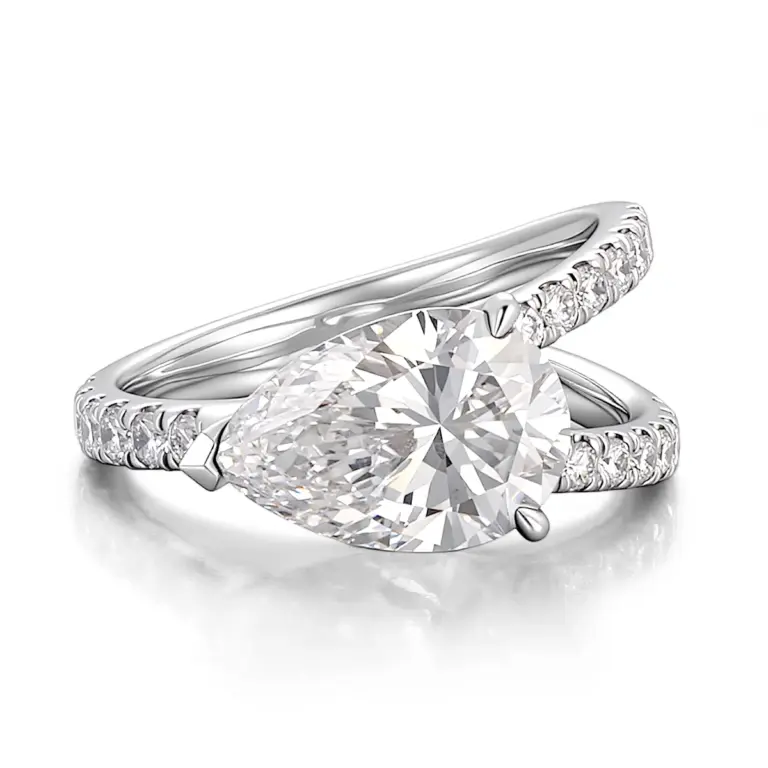
A split shank engagement ring divides the band into two graceful strands as it rises toward the center stone — creating an open, architectural frame that elevates your diamond, amplifies its brilliance, and adds unmistakable presence to your hand.
By Metal
- 10K10K 14
- 14K14K 14
- 18K18K 14
- PT950PT950 14
By Color
By Stone Shape
By Stone Type
By Price
By Style
- Split Shank 14
18K Gold Split Shank Engagement Ring Featuring Emerald & Pear & Oval Lab Grown Diamond
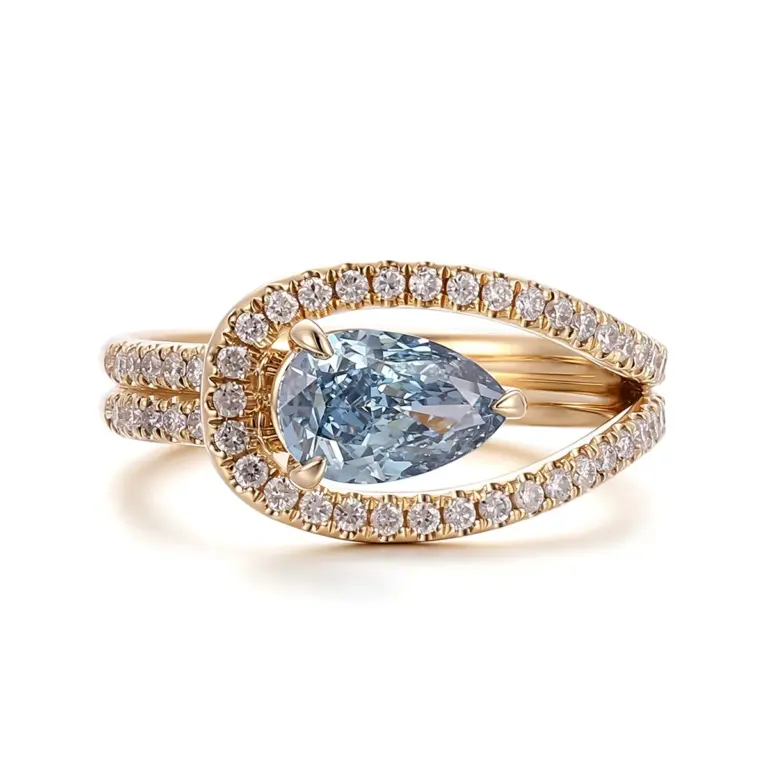
10K Gold Pear Lab Grown Diamond Dazzling Split Shank Ring
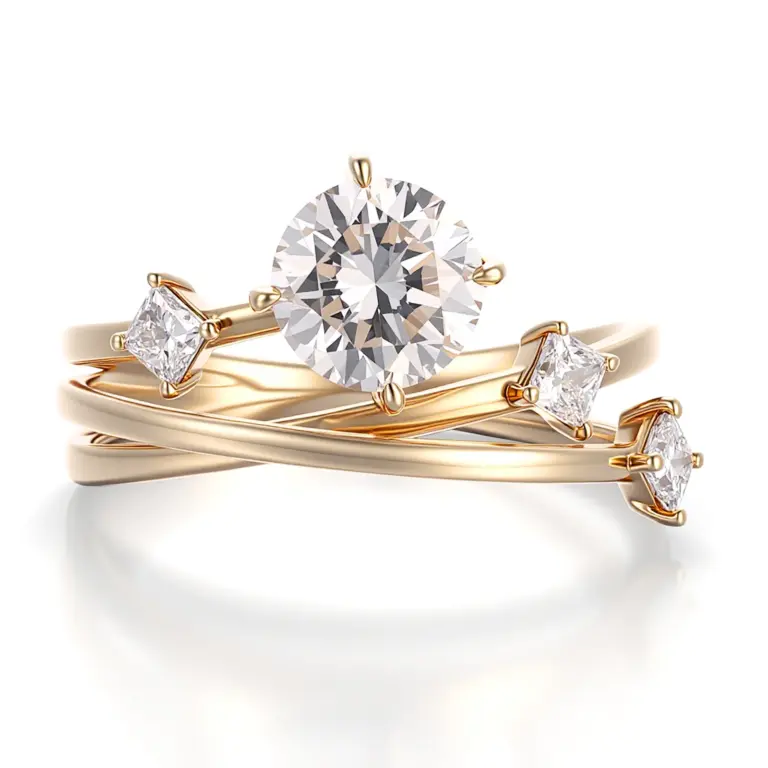
10K Gold Split Shank Engagement Ring Featuring Round & Princess Lab Grown Diamond
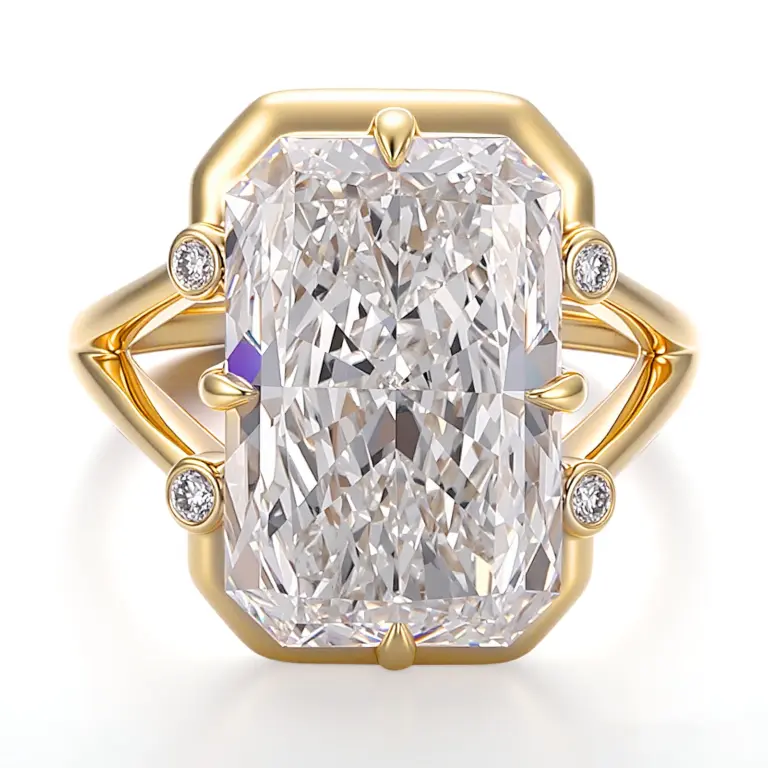
14K Gold Radiant Lab Grown Diamond Prong Set Split Shank Engagement Ring
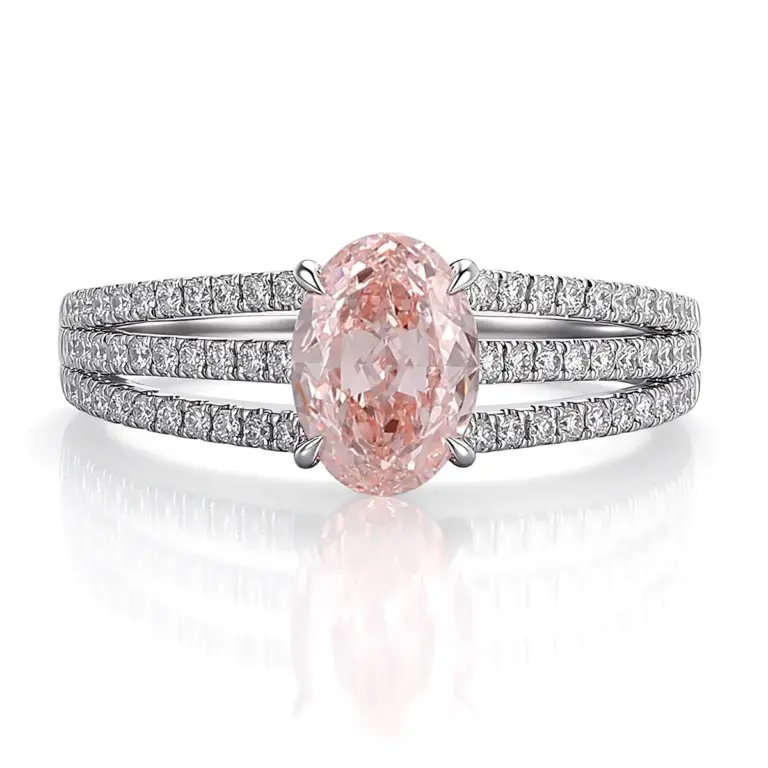
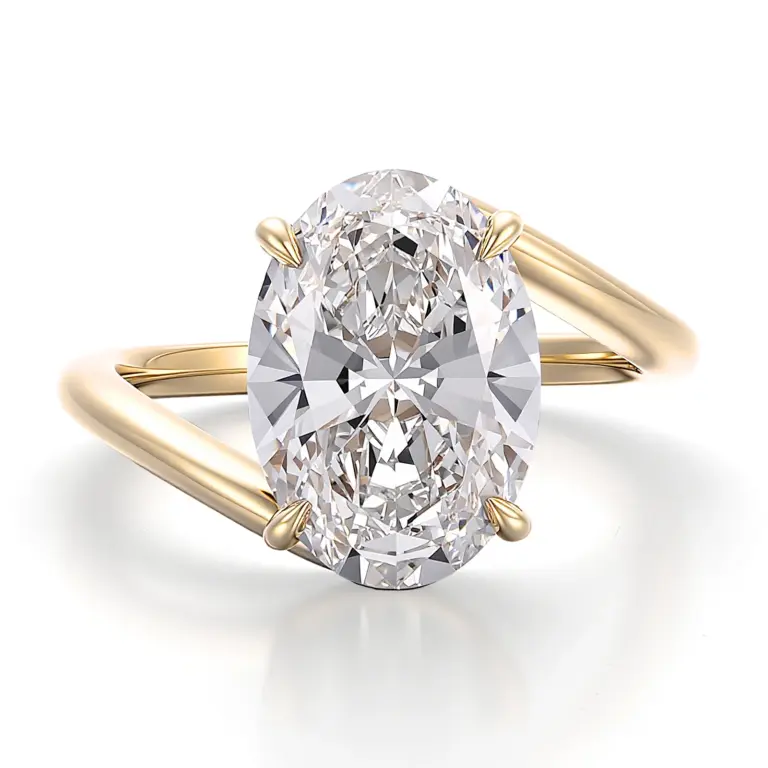
14K Gold Oval Lab Grown Diamond Prong Set Split Shank Engagement Ring
10K Gold Round Lab Grown Diamond Prong Set Split Shank Engagement Ring
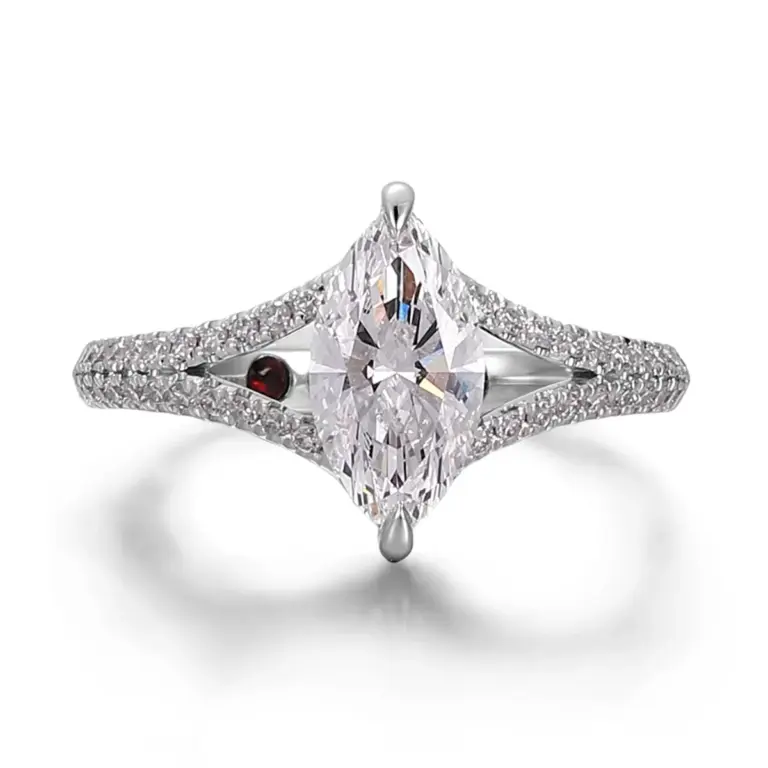
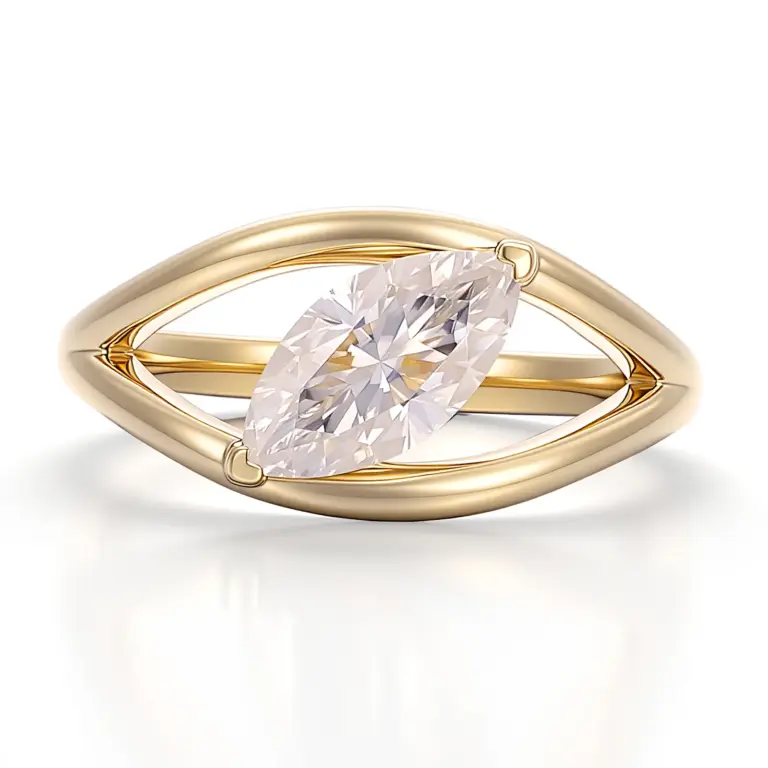
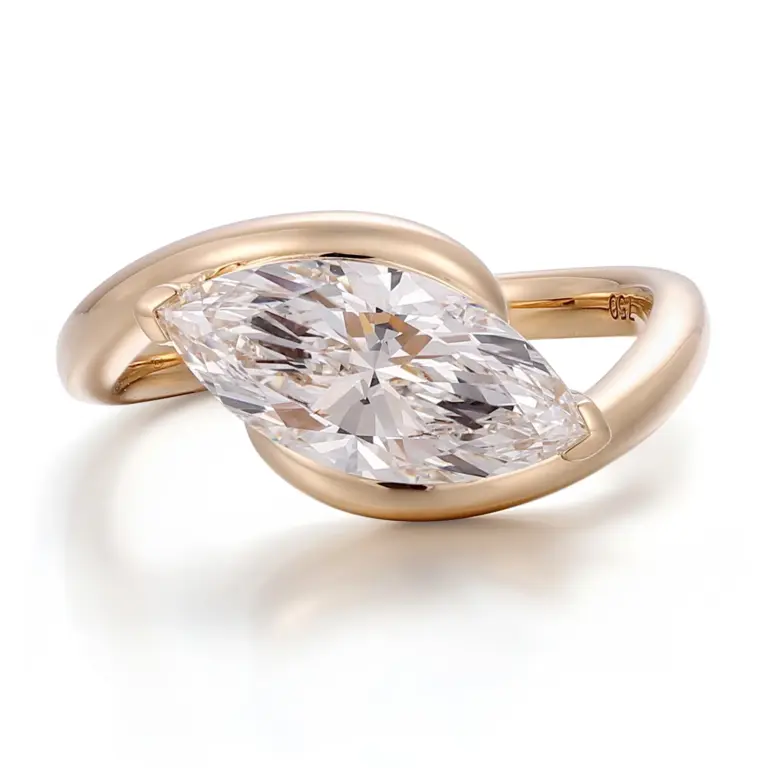
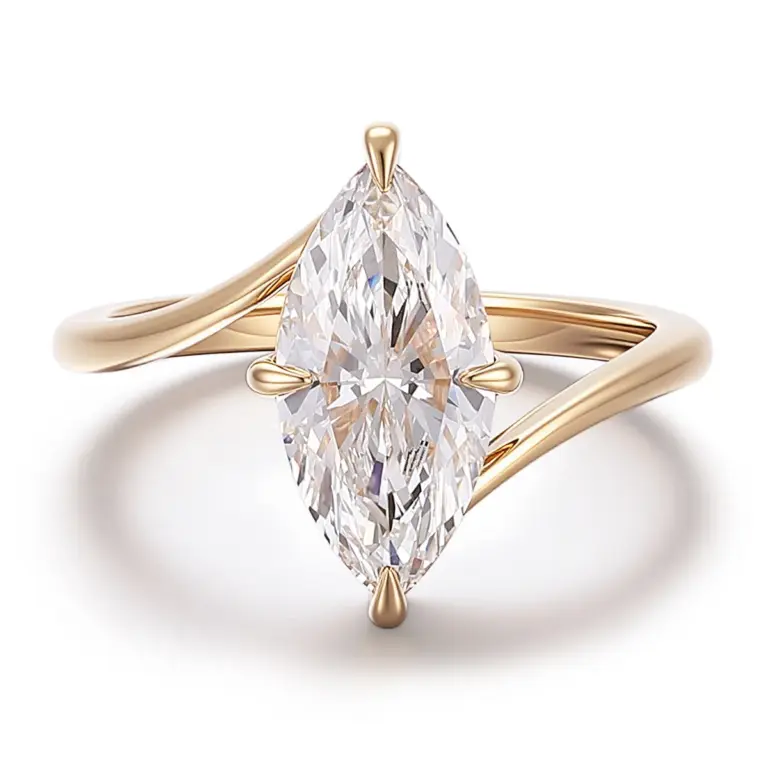
14K Gold Marquise Lab Grown Diamond Prong Set Split Shank Engagement Ring
14K Gold Round Lab Grown Diamond Prong Set Split Shank Engagement Ring
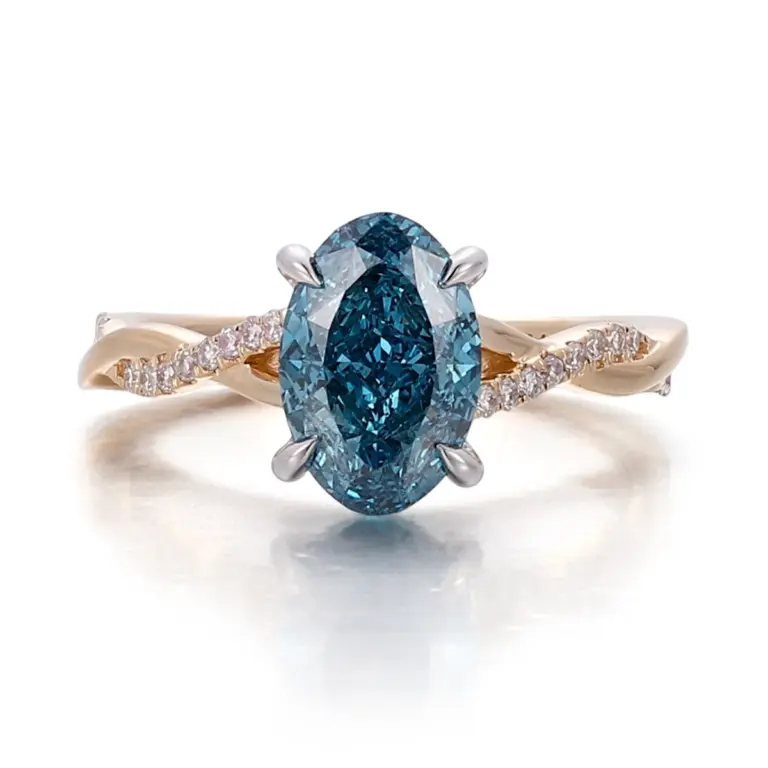
14K Gold Oval Blue Lab Grown Diamond Prong Set Split Shank Engagement Ring
14K Gold Marquise Lab Grown Diamond Channel Set Split Shank Engagement Ring
Platinum Oval Lab Grown Diamond Prong Set Split Shank Engagement Ring
14K White Gold Marquise Cut Moissanite Split Shank Solitaire Engagement Ring
Everything You Should Know About Split Shank Engagement Rings
What Is a Split Shank Setting?
In a split shank engagement ring, the band separates into two distinct strands before reaching the center stone, forming an open frame around the setting. That gap between the strands is the defining feature — it creates negative space that draws the eye upward, makes the diamond appear larger and more elevated, and adds a sense of architectural depth that a single plain band simply cannot achieve.
The split can be subtle (a narrow v-shaped parting) or wide and dramatic, with the strands themselves left smooth and polished or encrusted with pavé diamonds for maximum sparkle. The result is a ring that feels both structured and refined, bold and wearable.
A Brief History
Split shank settings have roots going back to Georgian and Victorian jewellery of the 18th and 19th centuries, where intricate metalwork naturally evolved into divided bands. The style reached a peak of popularity during the Art Deco era of the 1920s–1930s, when geometric symmetry and architectural proportion defined fine jewellery design. Mid-century designers softened that geometry with pavé detailing, giving way to the sleek split shank styles loved today. More recently, high-profile rings — including Beyoncé's emerald-cut diamond set in a pavé split shank band by Lorraine Schwartz — have reignited widespread enthusiasm for the setting.
Why Couples Choose a Split Shank
The split shank earns its place among the most enduring engagement ring styles for a handful of well-grounded reasons:
It makes your diamond look bigger. The widened base and open space between the strands draw the eye outward and upward, giving even a modest center stone a more commanding presence on the finger — without increasing carat weight or budget.
It offers structural stability. The dual-strand construction distributes the weight of the center stone more evenly than a single narrow band, providing added support that's especially valuable for larger stones.
It works with virtually every diamond shape. Round brilliants, ovals, and cushions gain softness and femininity from a split shank frame. Elongated cuts like marquise, pear, and emerald take on a regal quality when elevated this way. Even square shapes like princess and Asscher benefit from the contrast between geometric stone and flowing divided band.
It holds romantic symbolism. Many couples are drawn to the meaning behind the setting: two separate paths — two lives — converging at the center of the ring in a shared future. It's a quiet metaphor that makes the design feel even more personal.
Choosing Your Split Shank Style
The width of the split is the first decision to make. A narrow split creates an elegant, understated effect — modern without being flashy. A wider, deeper split delivers more drama and visual weight, reminiscent of classic Art Deco jewellery. Consider the proportions relative to your center stone: a wider split tends to pair best with larger diamonds or elongated cuts, while a narrower split suits delicate or round center stones beautifully.
Next, decide between a clean shank and a pavé shank. A smooth, unadorned split shank lets the center stone do all the talking — ideal for those who want maximum simplicity and a ring that photographs exceptionally well. A pavé split shank, set with small diamonds along each strand, adds brilliance all the way down the band and creates a ring that sparkles from every angle.
Metal choice matters too. Yellow gold lends warmth and a vintage character that pairs beautifully with champagne, cognac, or fancy-colour diamonds. White gold and platinum offer a cooler, more contemporary look that maximises the brightness of colourless diamonds. Rose gold sits between the two, offering romantic warmth with a modern sensibility.
Pairing a Wedding Band
One practical consideration worth thinking through early: how your split shank ring will sit alongside a wedding band. Because the band widens as it approaches the setting, some split shank rings leave a small gap between ring and band. Many couples embrace this as part of the design, or choose a contoured wedding band shaped to nestle against the split. If a flush, seamless stack matters to you, try both rings on together before committing — or ask about custom-fitted bands when you order.
Caring for Your Split Shank Ring
The open design of a split shank is part of its beauty, but it does require a little attention. Dirt, lotions, and debris can accumulate in the space between the strands and around the setting. Clean your ring regularly with warm water, mild soap, and a soft brush — paying close attention to the inner gap of the split. Remove the ring before heavy physical activity, as the split can occasionally catch on fabric. Have a jeweller inspect the prongs and band annually to ensure everything remains secure.
Split Shank Engagement Rings — Frequently Asked Questions
A split shank engagement ring features a band that divides into two separate strands as it approaches the center stone, forming an open frame around the setting. This creates visual width, adds architectural interest, and draws attention upward to the diamond.
Yes — one of the most practical advantages of the split shank setting is its ability to create the illusion of a larger center stone. The widened base and open negative space between the strands draw the eye outward and upward, making the diamond appear more substantial than it would on a single narrow band.
A well-crafted split shank ring is structurally sound and can actually offer more stability than a very thin single-band solitaire. The two-strand construction distributes weight more evenly around the setting. As with any fine jewellery, annual professional inspections are recommended to ensure prongs and band remain in good condition.
The split shank is one of the most versatile settings available — it flatters virtually every diamond shape. Round brilliants, ovals, and cushion cuts pair beautifully with the curved strands for a soft, romantic look. Elongated shapes like marquise, pear, and emerald cut take on a striking, regal quality in a split shank frame. Square cuts like princess and Asscher benefit from the visual contrast between the geometric stone and the flowing band.
A halo setting surrounds the center stone with a circle of smaller diamonds, increasing its perceived size. A split shank refers specifically to the band design — the band divides into two strands below the stone. The two styles are not mutually exclusive: many rings combine a split shank band with a halo around the center stone for maximum sparkle and presence.
Yes, but it's worth thinking through in advance. Because the band widens toward the setting, some split shank rings leave a small gap when worn alongside a straight wedding band. Options include choosing a contoured or curved wedding band designed to nestle against the split, or embracing the natural gap as part of the look. We recommend trying both rings together before purchasing, or asking about matched sets.
Generally yes, particularly for designs where the split begins lower on the band and sits closer to the finger. The dual-strand construction can provide extra stability for the setting. That said, we recommend removing your ring during intense physical activity, heavy lifting, or water sports — advice that applies to all fine diamond rings regardless of style.
Soak the ring in warm water with a small amount of mild dish soap for a few minutes, then gently scrub with a soft-bristled brush — paying attention to the gap between the strands and the underside of the setting where debris can collect. Rinse thoroughly and pat dry with a lint-free cloth. Avoid ultrasonic cleaners unless your jeweller specifically confirms they are safe for your ring's design and stone.