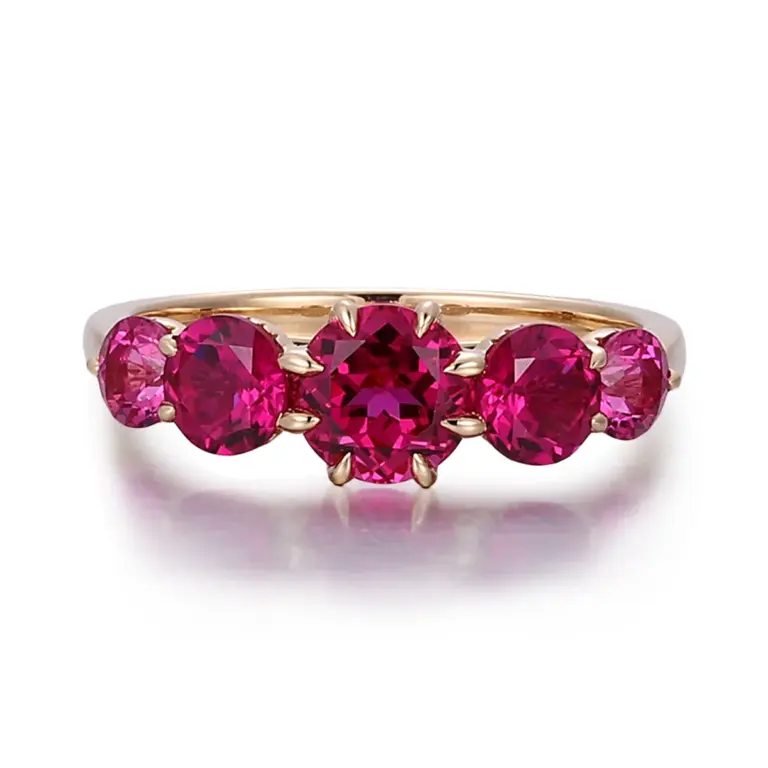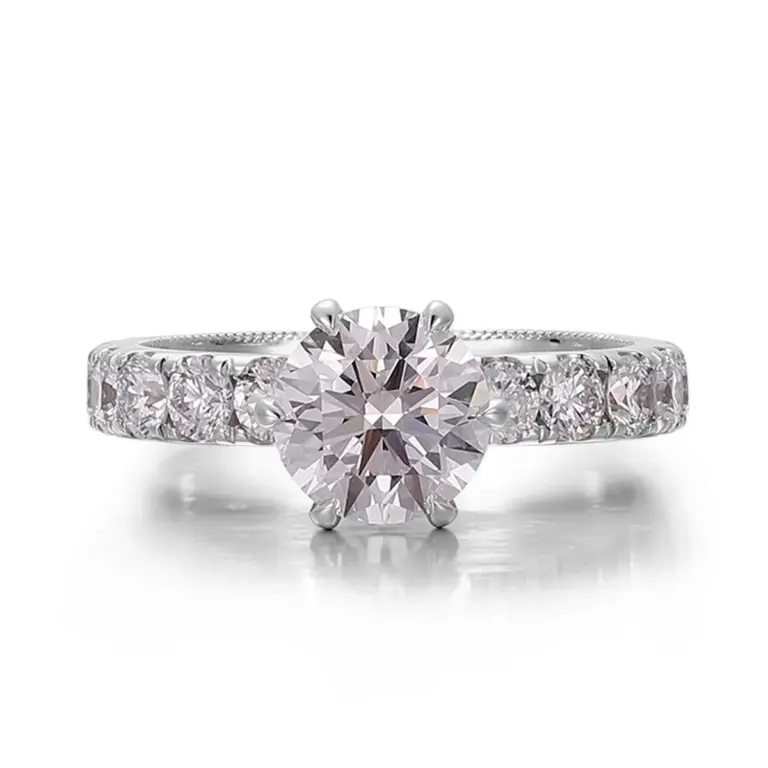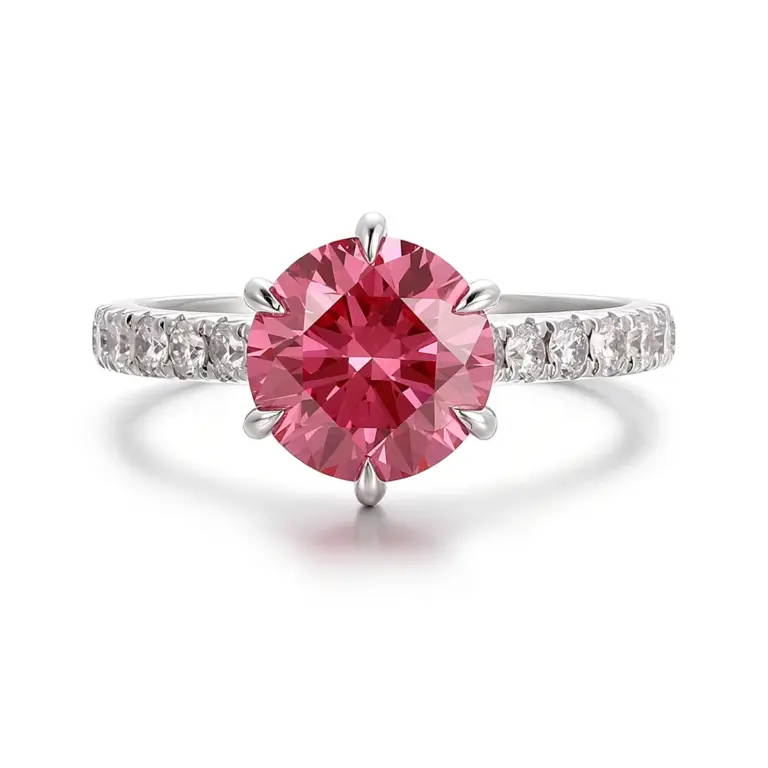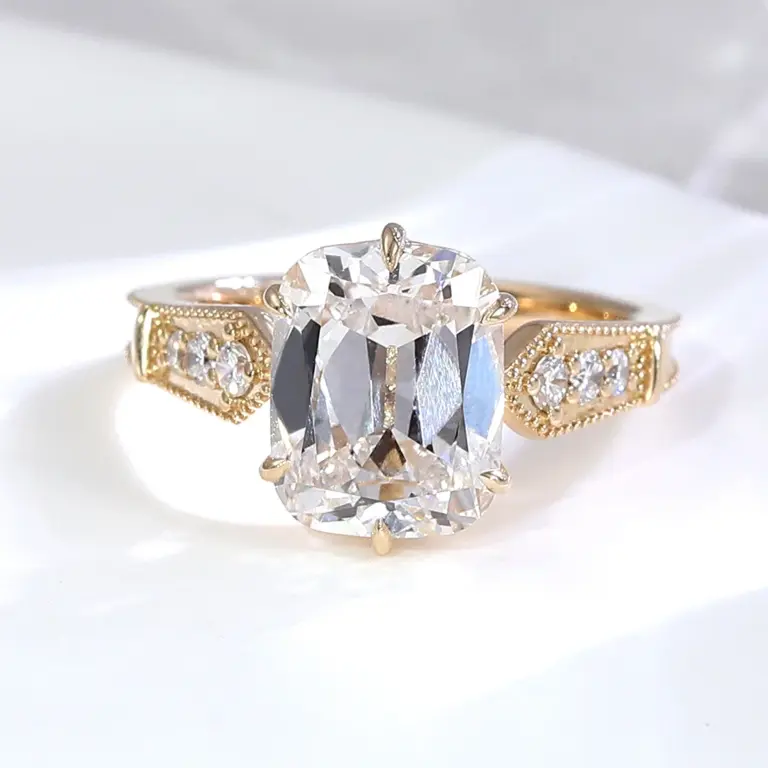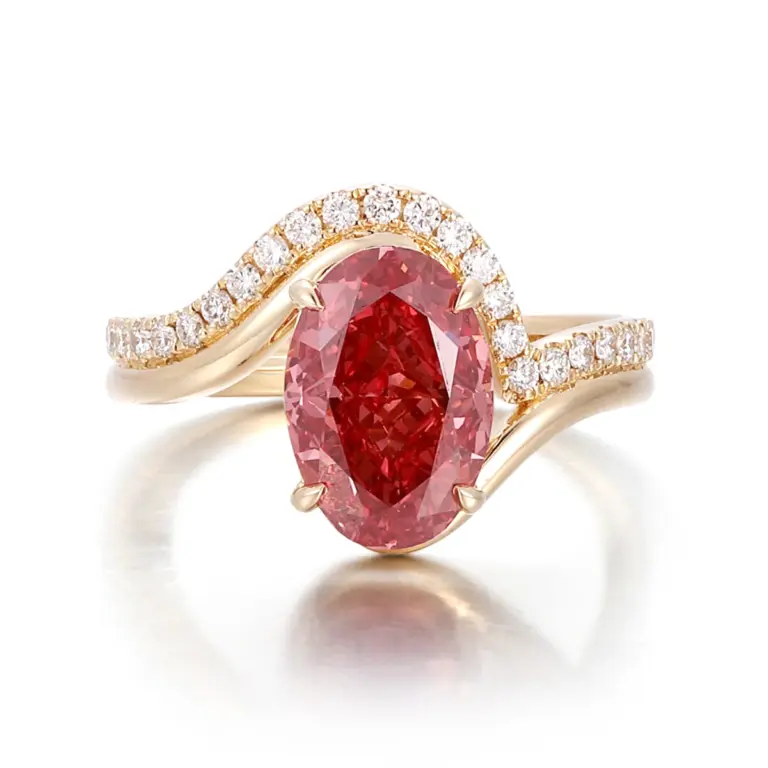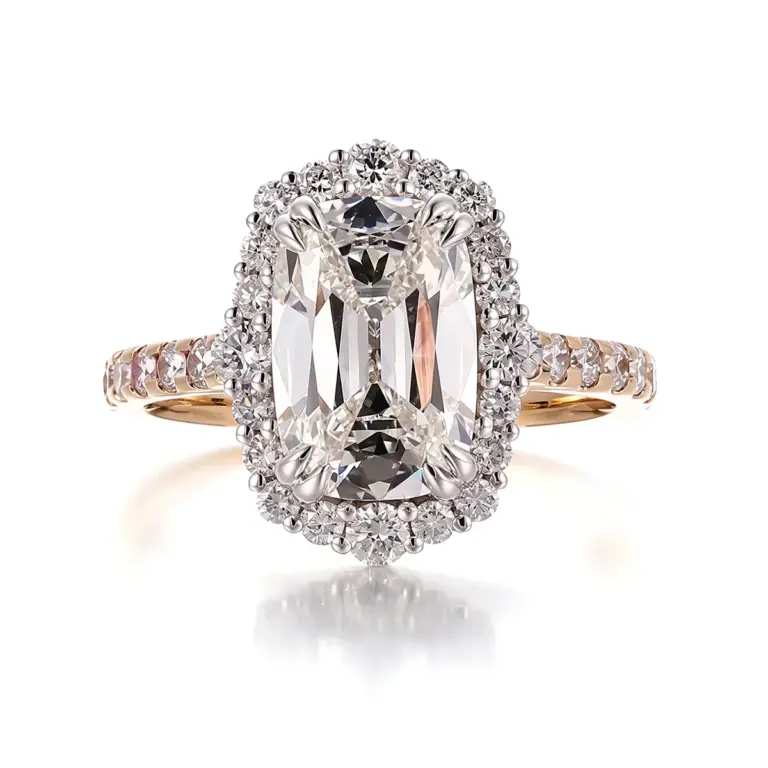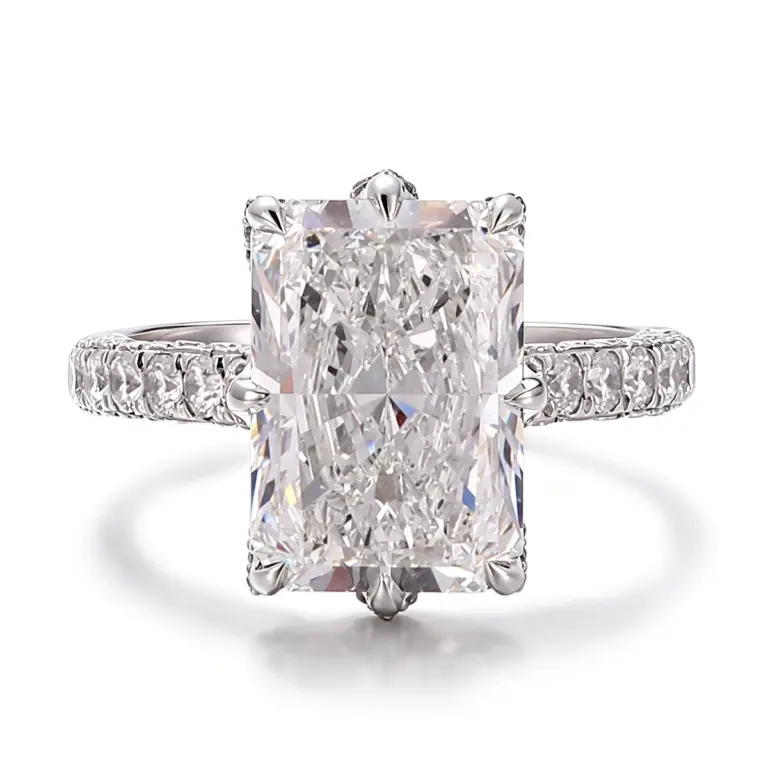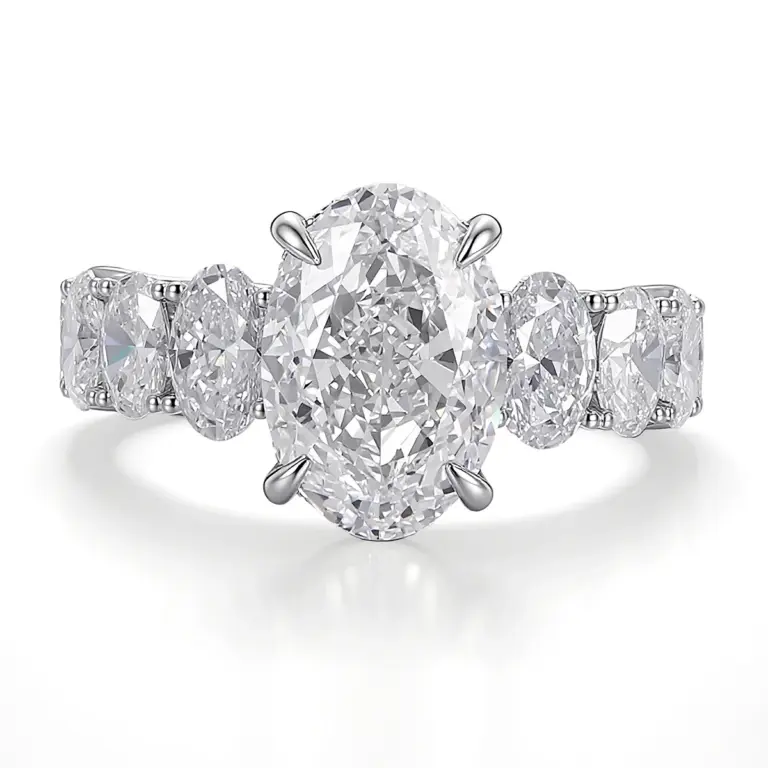

Side Stone Engagement Rings
A side stone engagement ring features a band that runs in an even, uninterrupted line from shank to setting — no curves, no twists, just clean symmetry and effortless elegance. It’s one of the most versatile ring styles you can choose.
By Metal
- 10K10K 25
- 14K14K 25
- 18K18K 25
- PT950PT950 25
By Color
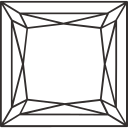
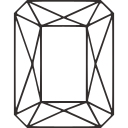
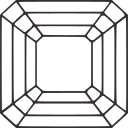
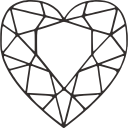
By Stone Shape
By Stone Type
By Price
By Style
- Side Stone 25
By Stone Carat
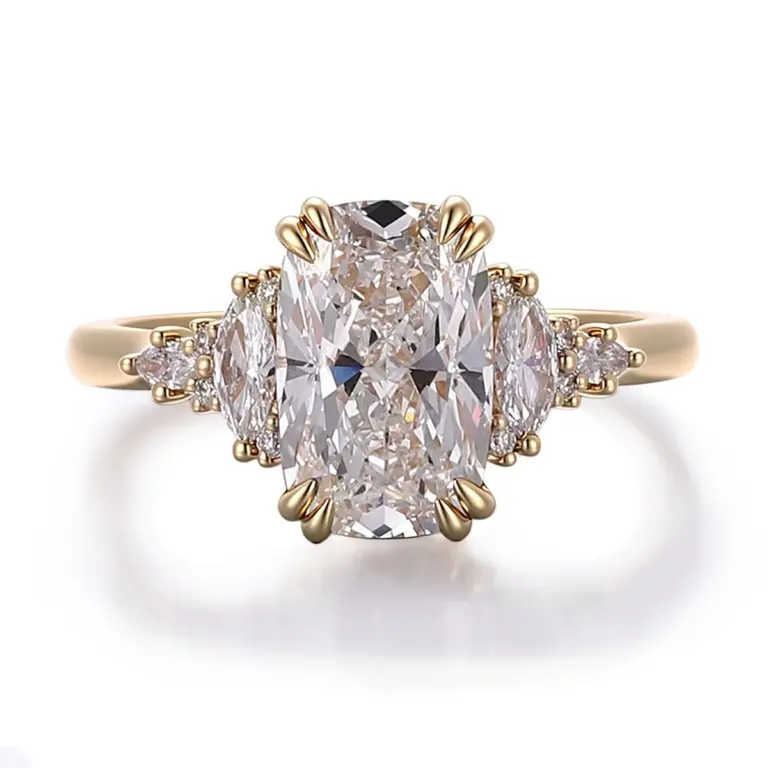
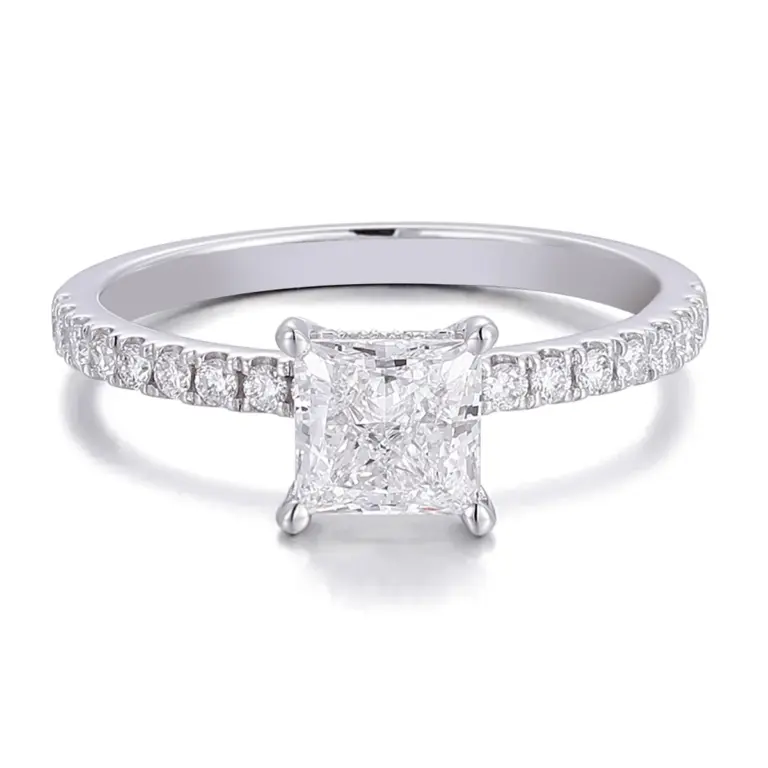
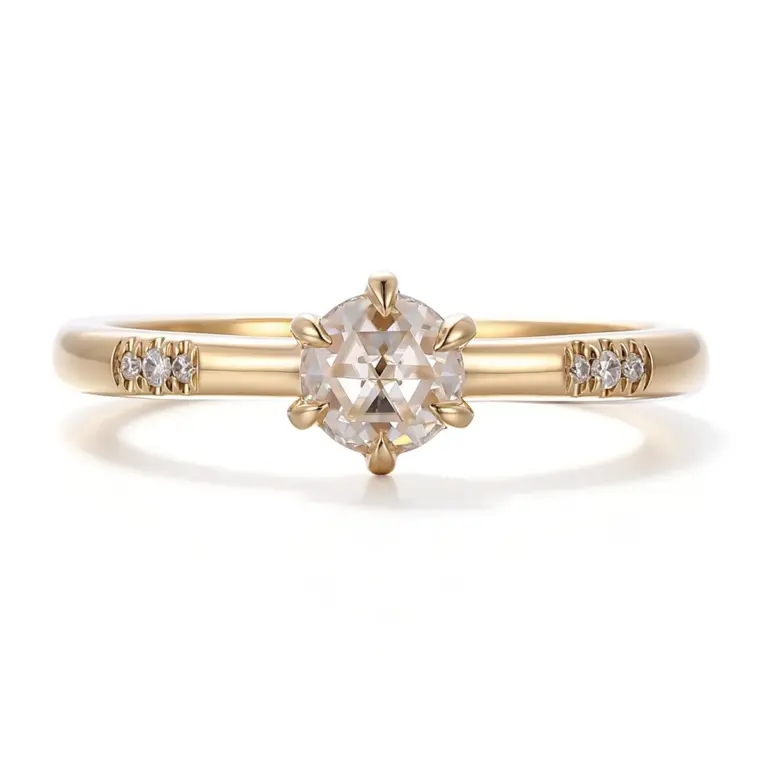
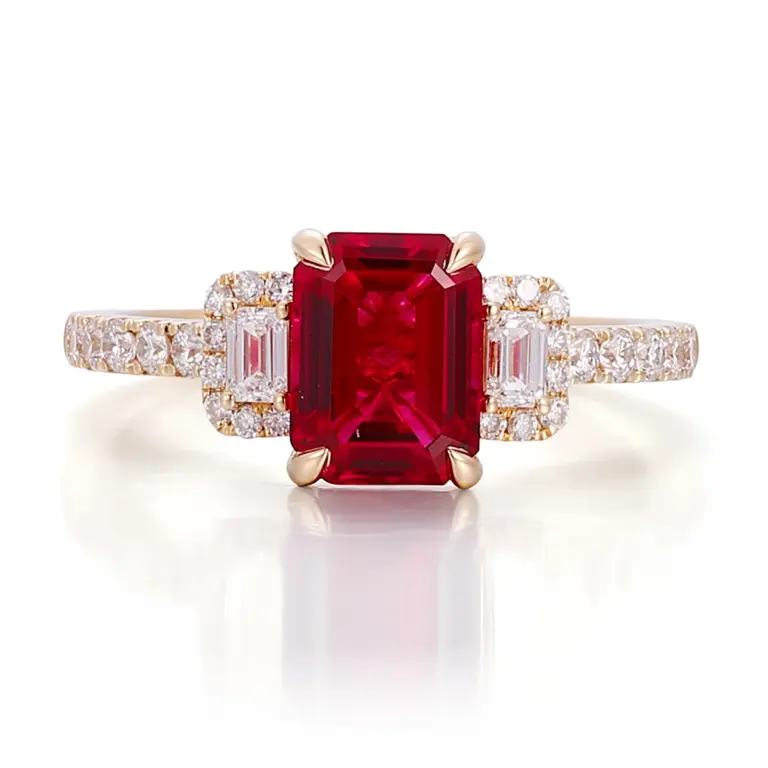
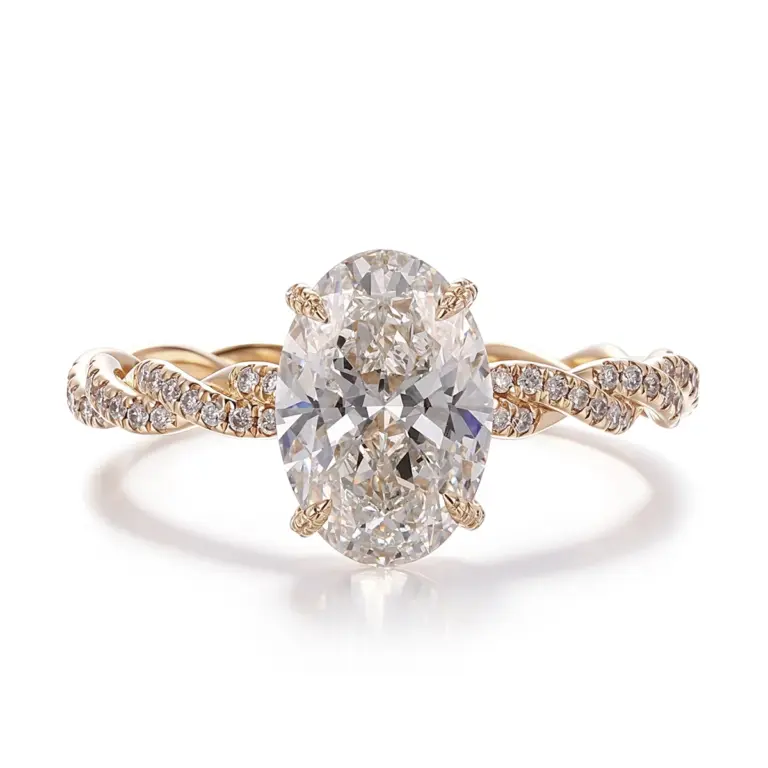
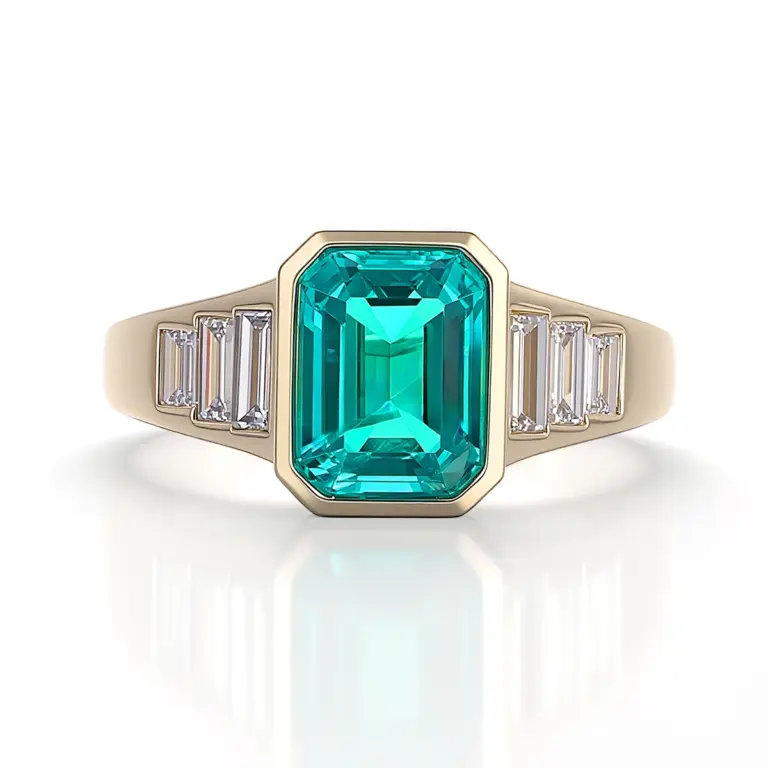
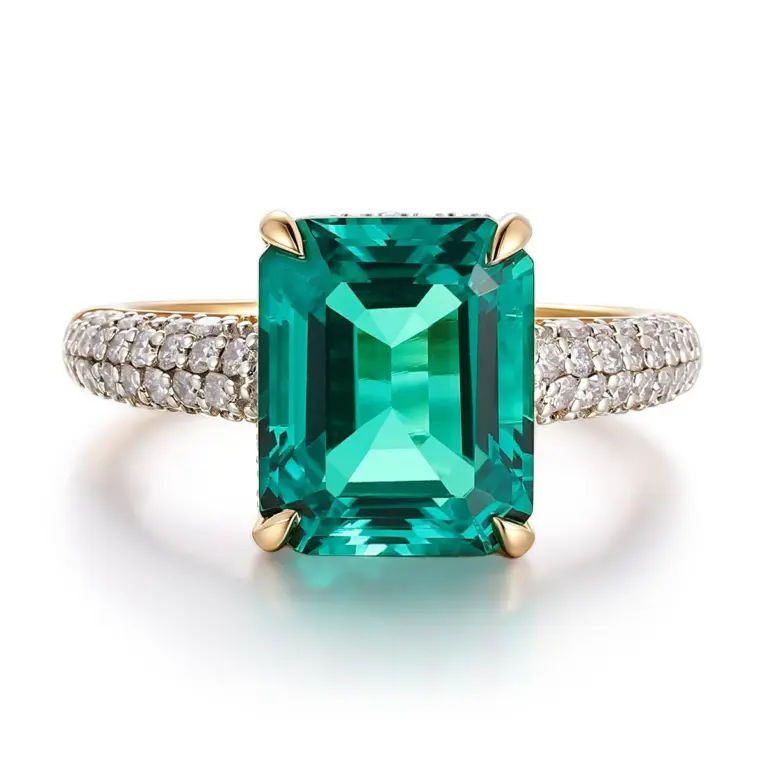
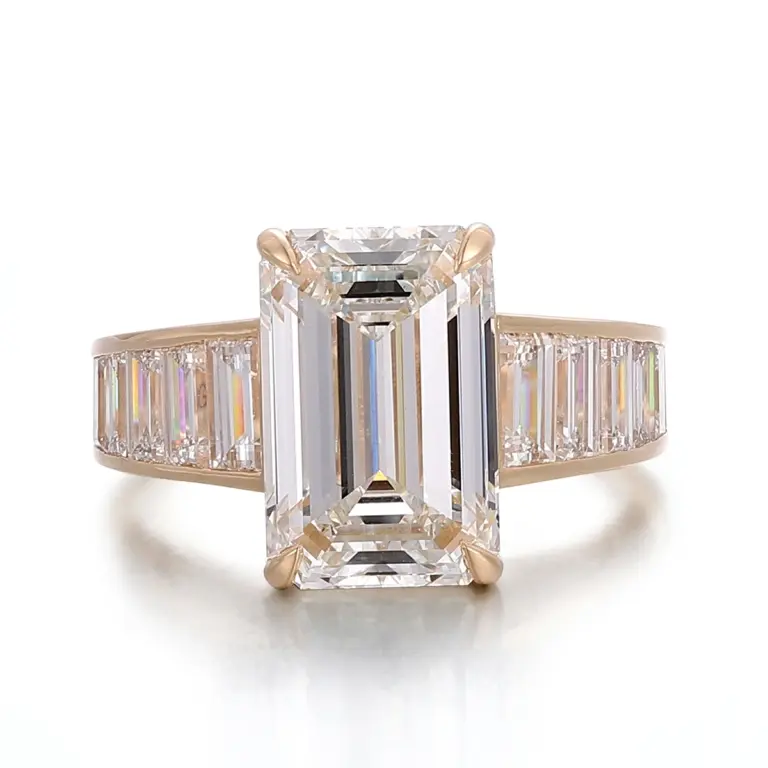
14K Gold Emerald Blue Lab Grown Diamond Channel Set Side Stone Engagement Ring
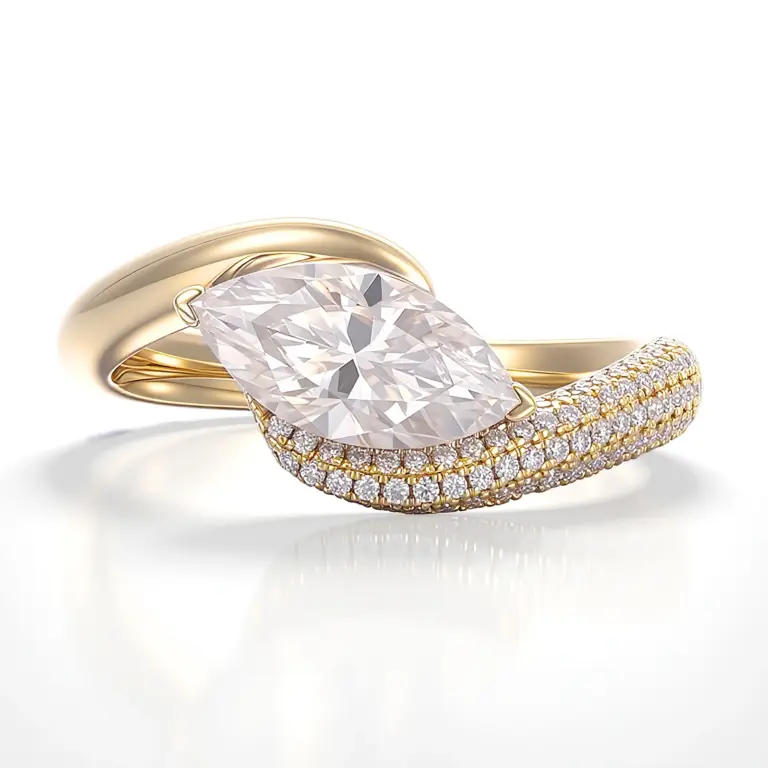
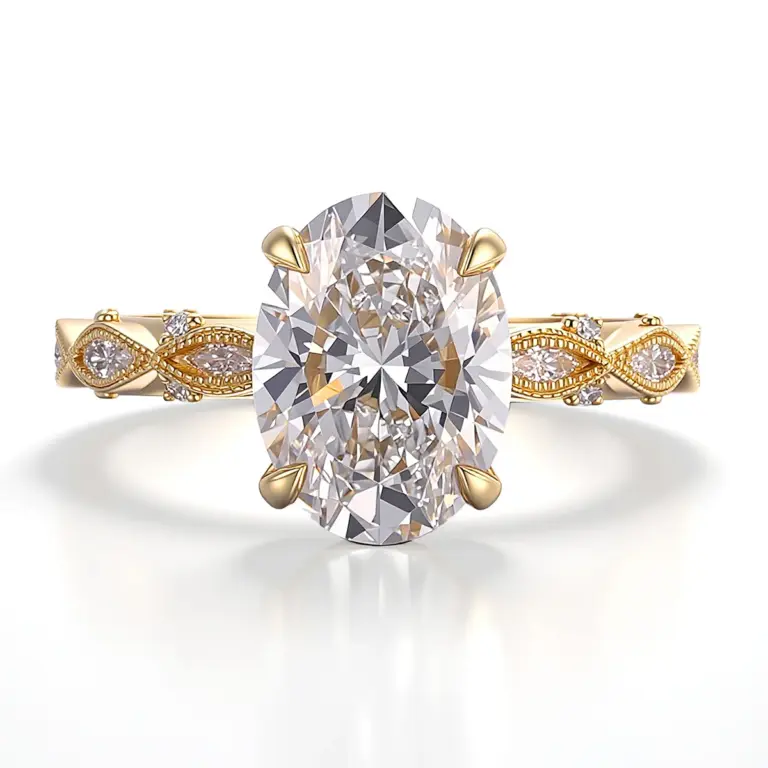
10K Gold Marquise Lab Grown Diamond Channel Set Split Shank Engagement Ring
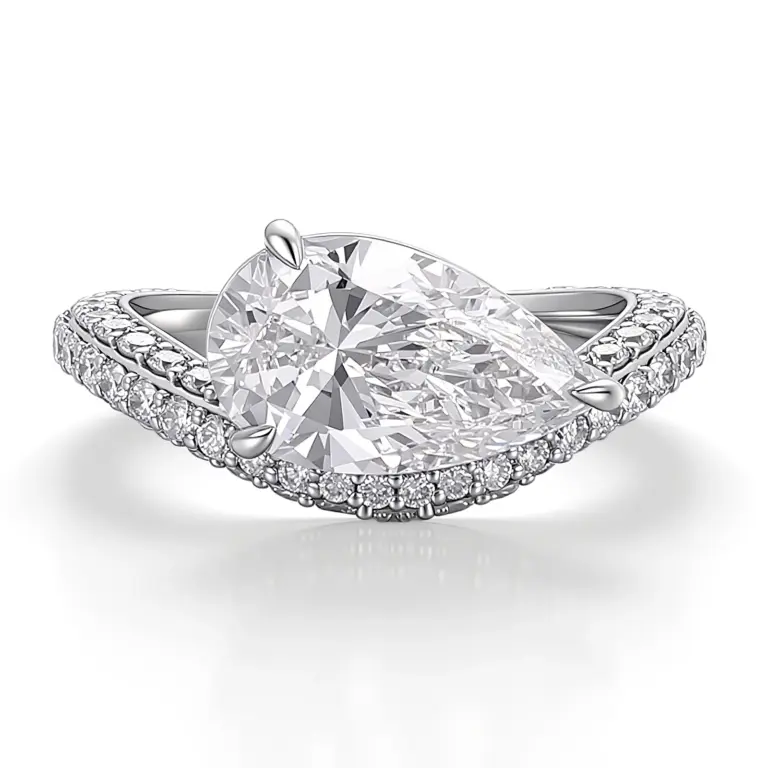
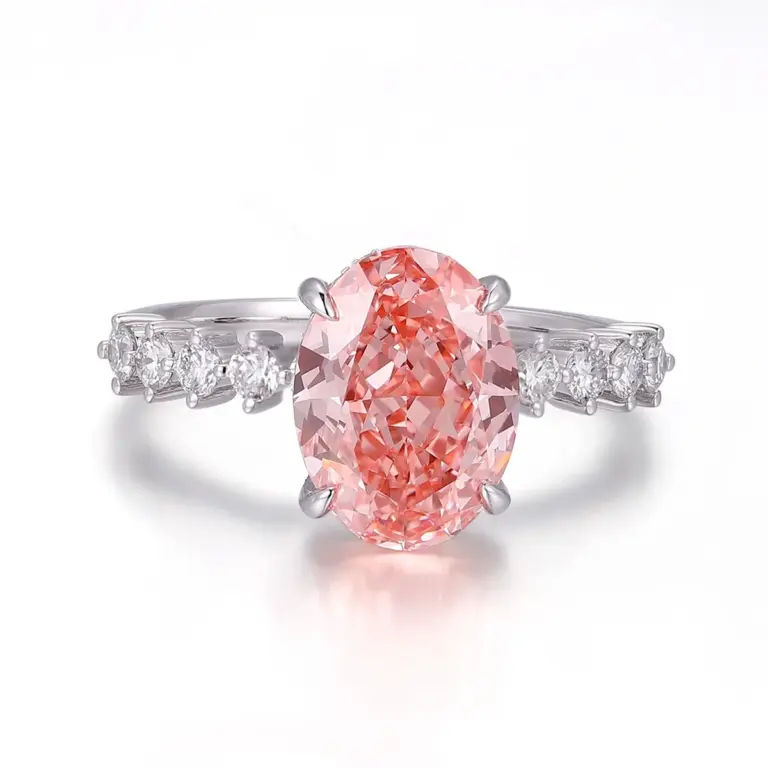
10K White Gold Pear Lab Grown Diamond Prong Set Side Stone Engagement Ring
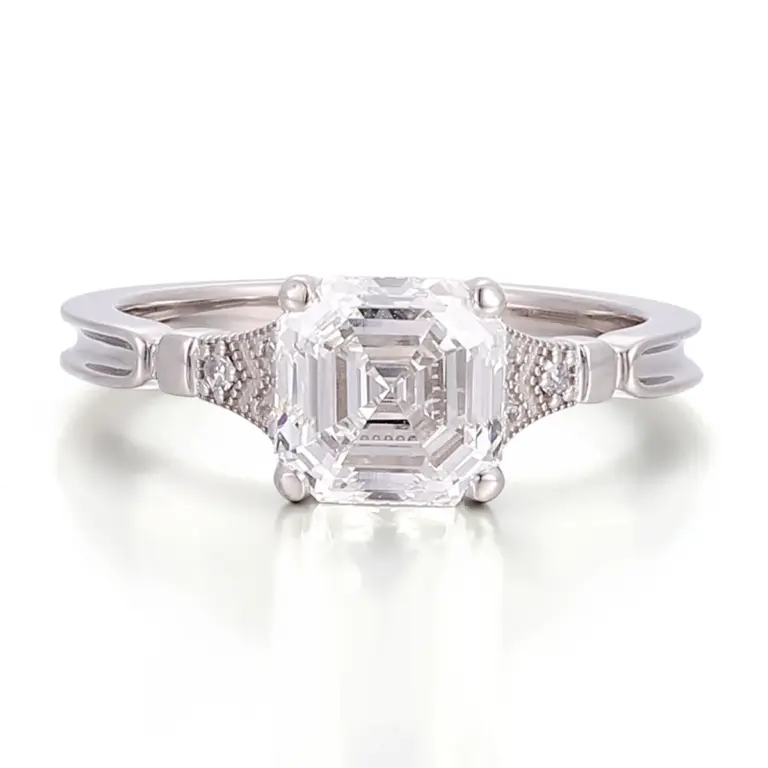
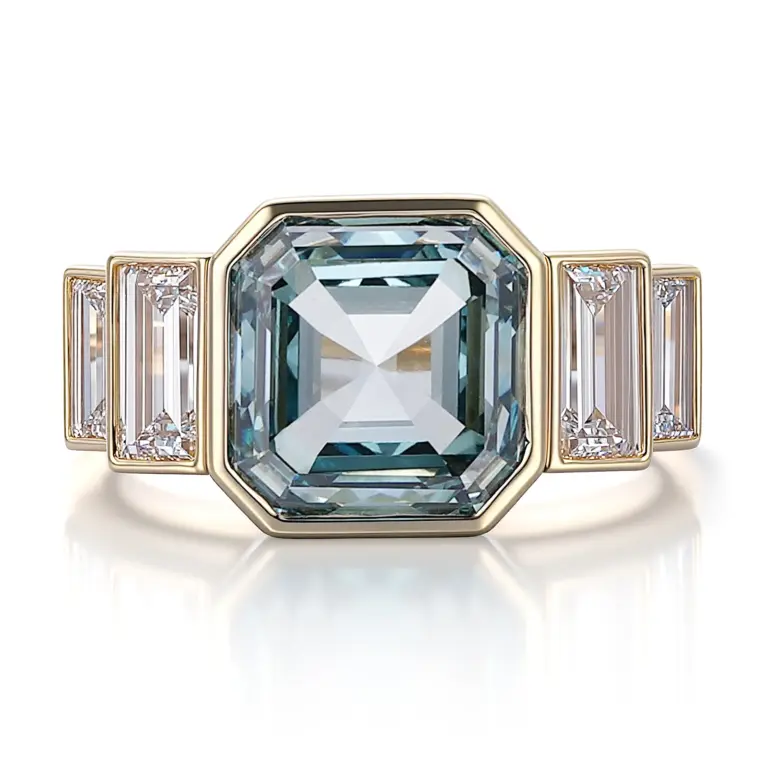
14K Gold Asscher Blue Lab Grown Diamond Bezel Side Stone Engagement Ring
14K White Gold Marquise Lab Grown Diamond Prong Set Halo Engagement Ring
14K Gold Cushion Lab Grown Diamond Bezel Side Stone Engagement Ring
14K White Gold Pear Lab Grown Diamond Channel Set Side Stone Engagement Ring
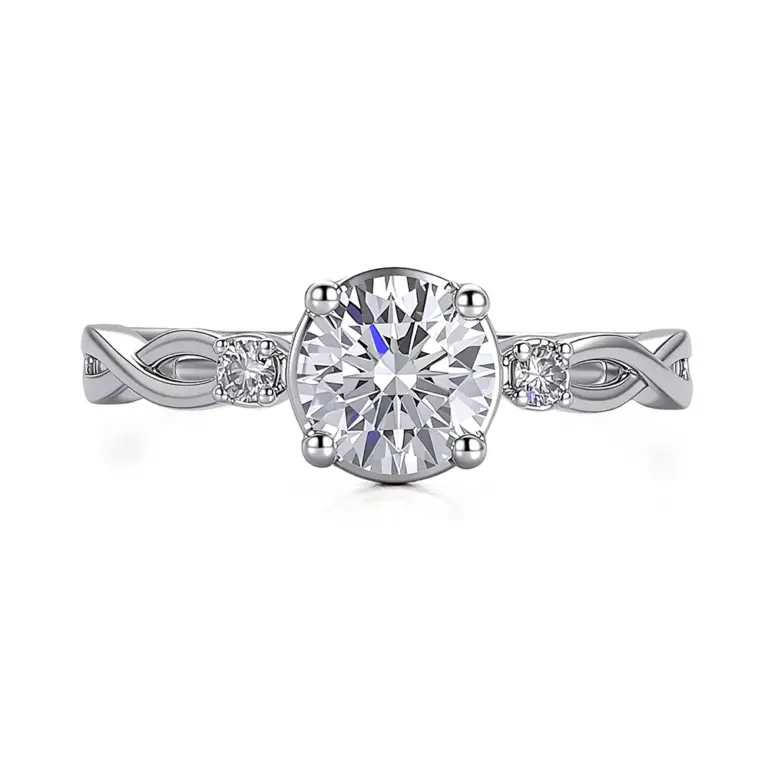
14K White Gold Round Lab Grown Diamond Prong Set Side Stone Engagement Ring
10K White Gold Round Lab Grown Diamond Prong Set Side Stone Engagement Ring
14K White Gold Oval Lab Grown Diamond Prong Set Side Stone Engagement Ring
14K White Gold Pear Lab Grown Diamond Prong Set Side Stone Engagement Ring
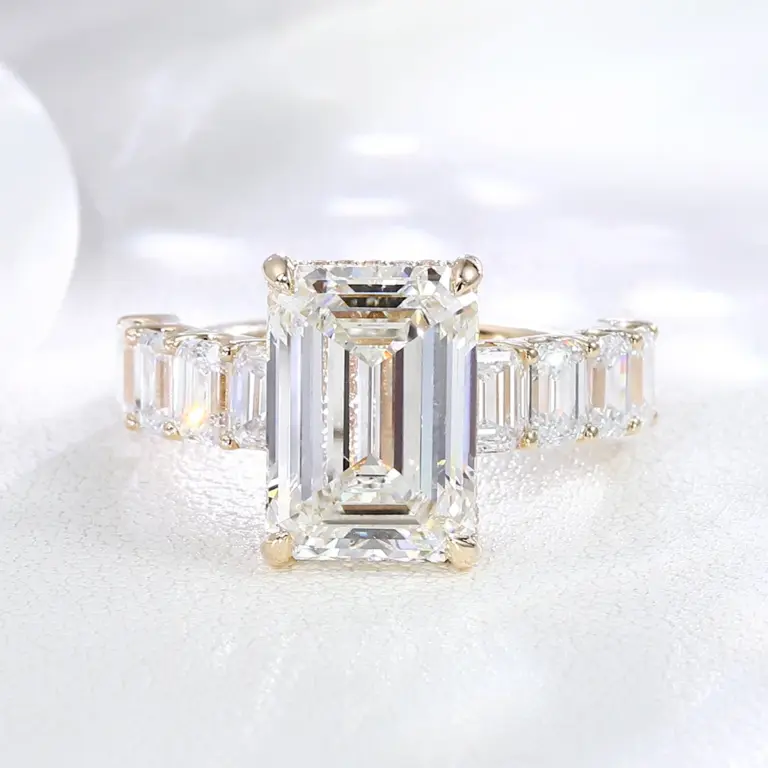
14K Gold Radiant Lab Grown Diamond Prong Set Side Stone Engagement Ring
Your Complete Guide to Side Stone Engagement Ring Settings
When people talk about engagement ring "settings," they often focus on the head — the prongs, the halo, the stone shape. But the shank, the band that wraps your finger, is equally important. It defines the silhouette of your ring, influences how it sits and stacks, and shapes the overall style. The side stone engagement ring shank is the classic choice: a band that follows a level, symmetrical path from both sides of the setting without bending, curving, or tapering dramatically. It's the foundation of countless iconic designs, and for good reason.
What makes a ring "side stone"?
A side stone engagement ring has a shank that lies flat and even on both sides, creating a uniform profile as it meets the centre setting. This is the traditional ring silhouette — clean lines, balanced geometry, and a look that reads as both classic and modern depending on the details you choose. It contrasts with curved or contoured shanks (designed to nestle against a specific engagement ring) and twisted or split shanks (where the band divides and wraps around the centre stone).
The simplicity of the side stone shank is its strength. It's a style that has been worn for generations and shows no sign of going out of fashion.
Styles within side stone settings
Not all side stone engagement rings look the same. The shank design you choose dramatically affects the overall feel of the ring:
A plain side stone shank is the ultimate in refinement — a clean, polished band that puts every gram of attention on the centre stone. Solitaire rings with plain side stone shanks are among the most enduring engagement ring designs in existence.
A pavé or micro-pavé side stone shank lines the band with small round diamonds set close together for continuous sparkle from all angles. This adds brilliance and presence to the ring without altering the fundamental side stone silhouette.
A channel-set side stone shank places diamonds in a protected channel along the band — a sleek, contemporary look with excellent stone security and a smooth, snag-free finish.
A knife-edge side stone shank is cut to a ridge along the top, creating a sharp, architectural profile that catches light dramatically. It's a modern choice that reads as both minimalist and bold.
A milgrain or vintage-detail side stone shank incorporates tiny beaded borders or engraved patterns along the band's edges, adding antique character to the clean side stone profile.
Why choose a side stone engagement ring?
The side stone shank is the most versatile engagement ring foundation available. Because it runs at a consistent level, it pairs naturally with a flat wedding band — the two rings sit flush together without gaps or awkward overlapping. If you know you'll want a simple, classic wedding band to complete your bridal set, a side stone engagement ring is the most side stoneforward pairing you can make.
side stone shanks also work equally well with every diamond shape. Round brilliants, ovals, emerald cuts, princess cuts, pear shapes, cushions — all are beautifully complemented by a side stone band, because the shank doesn't compete with the stone's natural geometry. This makes side stone settings an especially safe choice if you haven't yet chosen your centre stone or want maximum flexibility.
For those who love a stacking look, side stone bands also build well. A side stone engagement ring can anchor a stack of slim wedding bands or anniversary rings with clean cohesion.
side stone vs. curved settings: which is right for you?
A curved or contoured shank is specifically shaped to hug an engagement ring — it wraps around a particularly low or wide centre setting, or creates a deliberate gap-free fit with a specific ring profile. If you already own or have chosen an engagement ring with a very low, rounded setting, a curved wedding band may be the right companion.
However, if you're starting fresh with your engagement ring choice — or if you value flexibility in your eventual wedding band — a side stone setting opens every pairing option. A side stone wedding band will sit comfortably beside a side stone engagement ring at any point in your life, and the look remains clean and intentional.
Choosing your metal
side stone engagement rings are available in all precious metals, and the shank style gives each metal room to shine. Yellow gold warms the look beautifully — a yellow gold pavé side stone shank is a particularly popular choice right now for its romantic, vintage-inflected feel. White gold and platinum deliver a bright, contemporary finish that maximises diamond brilliance against the band. Rose gold adds a romantic blush tone that pairs especially well with champagne or light pink diamonds.
For maximum durability, platinum is the hardest-wearing precious metal available and is particularly well suited to side stone shanks worn in rings that are stacked or worn daily against other jewellery.
Caring for your side stone engagement ring
side stone shanks are among the easiest ring styles to maintain. The clean profile means there are fewer crevices for skin oils and daily residue to accumulate. A soak in warm water with a drop of mild dish soap and a soft brush once a week will keep your ring brilliant. Have the prongs and any pavé-set stones checked annually by a jeweller, and consider annual professional cleaning for a deep polish.
Side Stone Engagement Rings — Frequently Asked Questions
A side stone engagement ring has a shank (band) that runs in an even, level line on both sides — no curves, bends, or twists. This creates a clean, symmetrical silhouette that works with any centre stone shape and pairs naturally with a flat wedding band.
A side stone engagement ring has a flat, uniform shank. A curved engagement ring has a shank that bends inward or follows a contoured shape, usually designed to sit flush against a specific wedding band or to wrap around a rounded setting. Side stone rings are more universally versatile; curved rings are often chosen when a specific pairing is already planned.
Yes — a side stone engagement ring is the easiest style to pair with a wedding band because the flat shank sits naturally alongside a straight wedding band with no gap and no clash. You can add a plain band, a diamond pavé band, or even a stack of slim bands, and all will sit cleanly beside a straight shank.
All shapes complement a side stone setting, but emerald cuts, princess cuts, and Asscher cuts look particularly striking — the geometric, step-cut faceting of these stones mirrors the clean lines of a straight shank beautifully. Oval and round brilliant cuts are equally classic. Pear and marquise shapes can also look stunning in a side stone setting, especially when the shank has subtle taper toward the centre.
Both are consistently popular. Side stone shanks are the classic standard — they've been the dominant engagement ring style for over a century. Twisted and split shanks have grown in popularity as couples seek more artistic or statement-making designs. Your choice should come down to personal style and how you plan to wear your wedding band.
Side stone shanks come in many variations: plain (no stones), pavé or micro-pavé (small diamonds set continuously along the band), channel-set (diamonds protected within a groove), knife-edge (a ridged, architectural band profile), and vintage or milgrain (with decorative edge detailing). Each dramatically changes the ring's personality while keeping the clean side stone profile.
Absolutely. Side stone engagement rings are among the most customisable styles available. You can choose your shank width, metal type, stone setting style, prong or bezel head design, and centre stone entirely to your specification. Many of our rings can be built to order.
Yes. The side stone shank offers a low, snag-free profile — especially in channel-set or bezel-set variations — that holds up very well to daily wear and physical activity. For maximum durability, choose a channel-set or bezel-set side stone ring rather than a pavé shank, and opt for platinum or 14k gold for a hardwearing metal.