Best Lab Grown Diamond Engagement Rings: A Style Guide
Quick Style Comparison
Start with the view you care about most. For a single-stone silhouette, compare the solita...
Who Made the First Lab Grown Diamond?
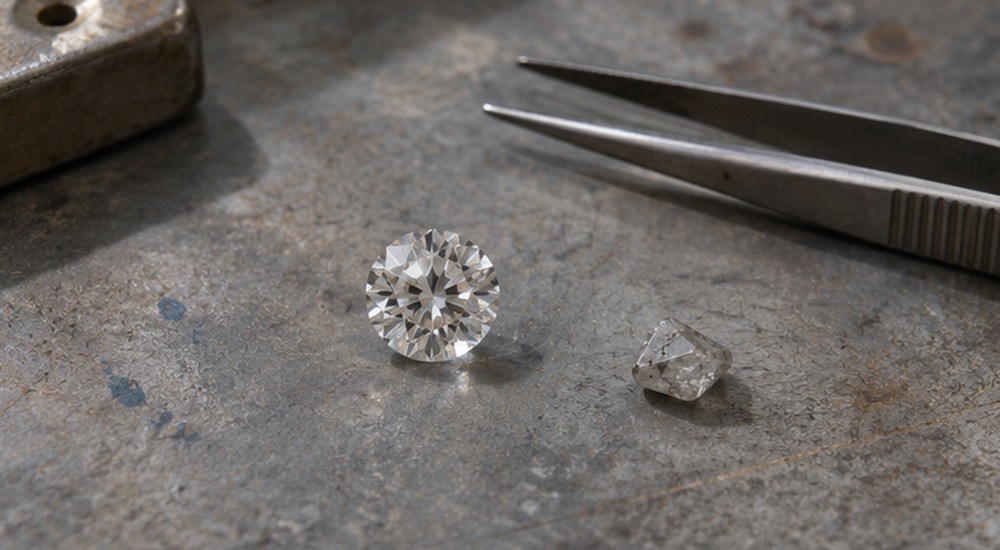
Sweden’s ASEA produced tiny diamond crystals in 1953, according to its research history. In the United States, H. Tracy Hall achieved a...
Lab Grown Diamond Under UV Light: Buyer’s Guide
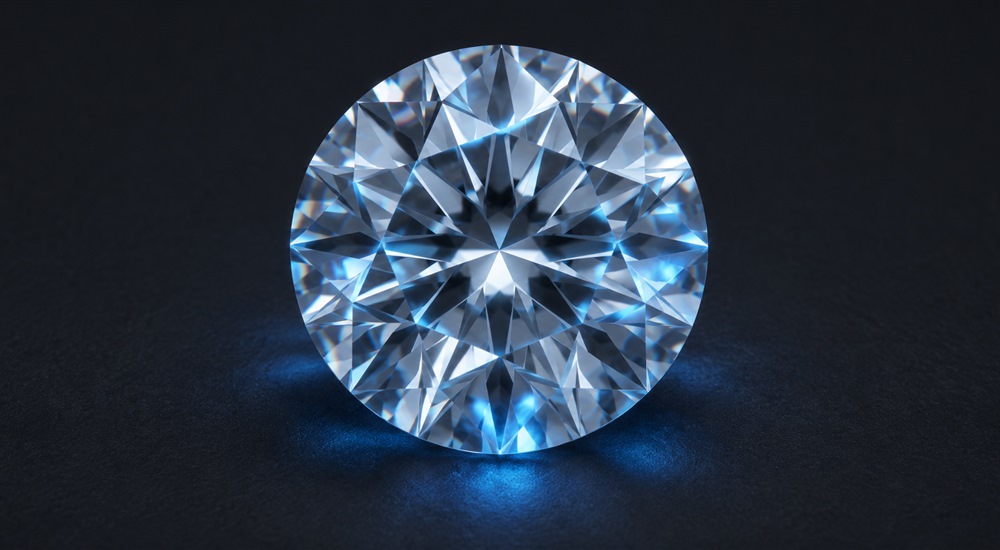
A lab grown diamond under UV light may glow blue, show another color, or have no visible reaction. Some stones continue to glow briefly...
Types of Lab Grown Diamonds Explained for Buyers
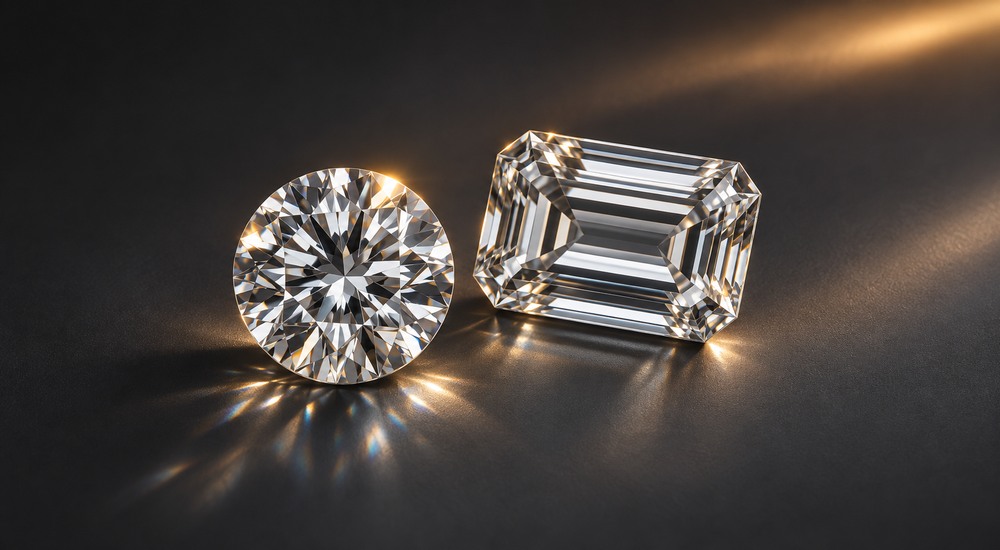
The two main types of lab grown diamonds are HPHT diamonds and CVD diamonds. The names describe how a diamond crystal was grown. HPHT u...
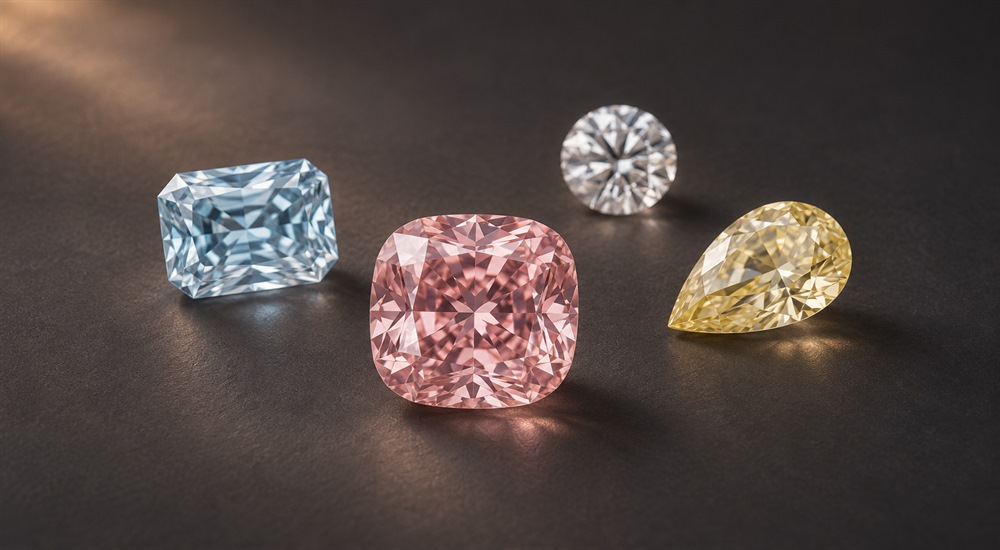
Lab Grown Diamonds Color Guide for Jewelry Buyers
Compare pink, blue, and yellow lab grown diamonds, learn what color reports disclose, and specify matching stones for custom jewelry and collections.
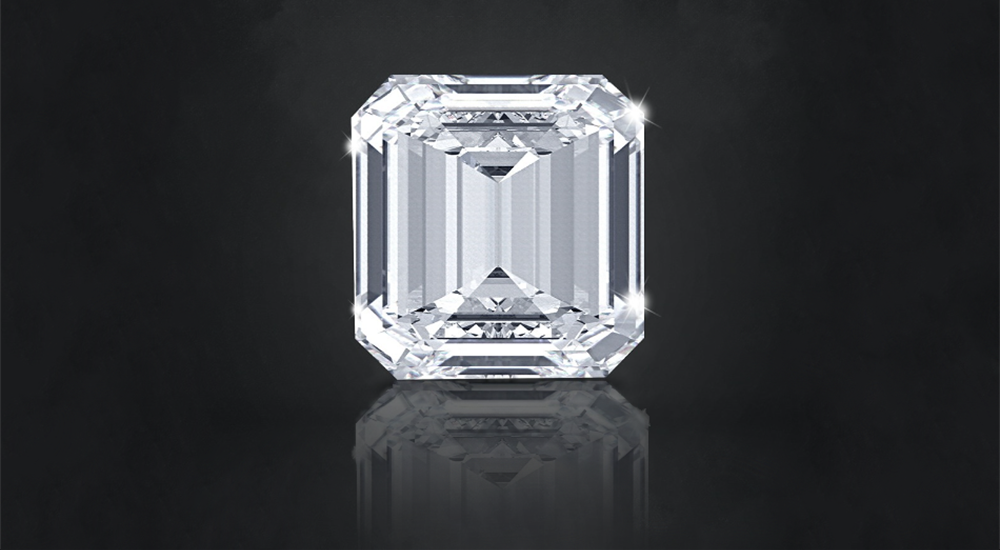
What Is the Largest Lab Grown Diamond in the World?
The largest lab grown diamond publicly documented as a faceted gemstone is Celebration of India, a 75.33-carat square emerald cut. The ...
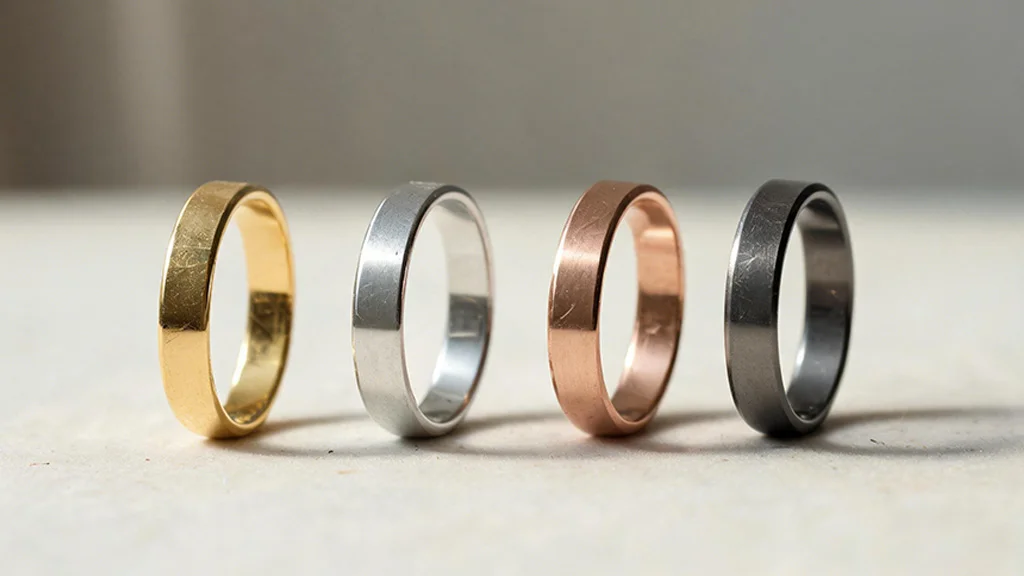
Jewelry Metal Durability: Metals Ranked by Hardness
The most durable jewelry metal depends on what you mean by “durable.” Tungsten carbide resists scratches better than almost anything, b...
Jewelry MOQ Explained: Typical Minimums & How to Lower Them
If you have ever requested a quote from a jewelry manufacturer, the first number you saw was probably the MOQ. It decides how much cash...
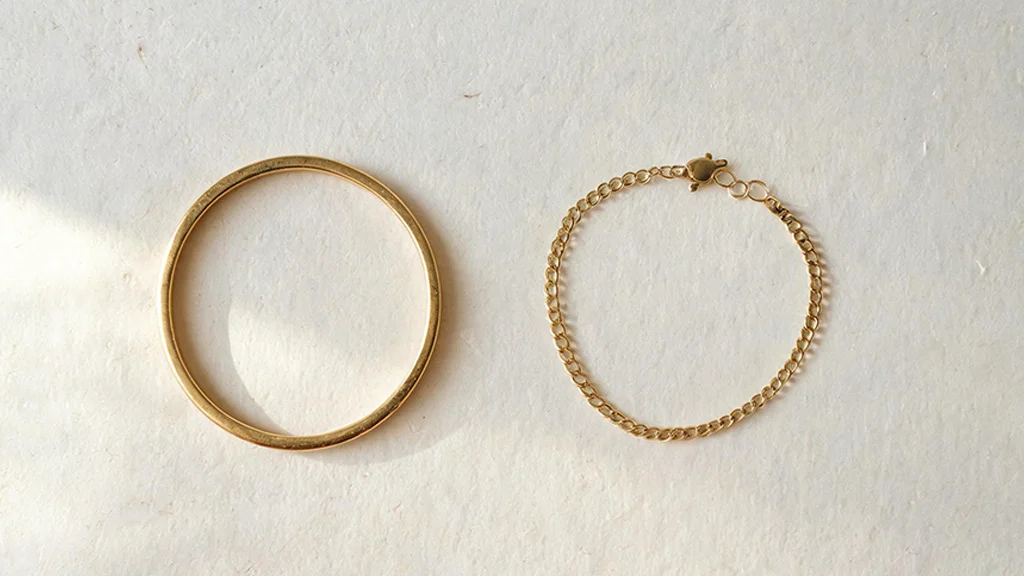
Bangle vs Bracelet: Key Differences, Sizing & How to Choose
Shop for wrist jewelry for long enough and the two words start to blur. Product pages use them interchangeably, friends swap them mid-s...
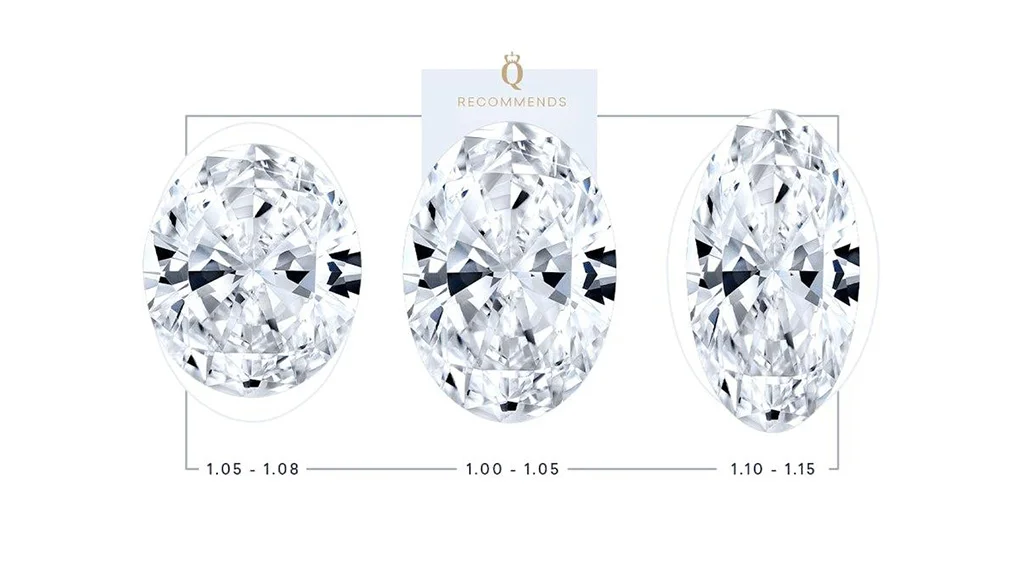
Diamond Ratio Guide: Ideal Length-to-Width by Shape
Two diamonds can weigh exactly the same, share the same color and clarity grades, and still look completely different on the hand. One ...