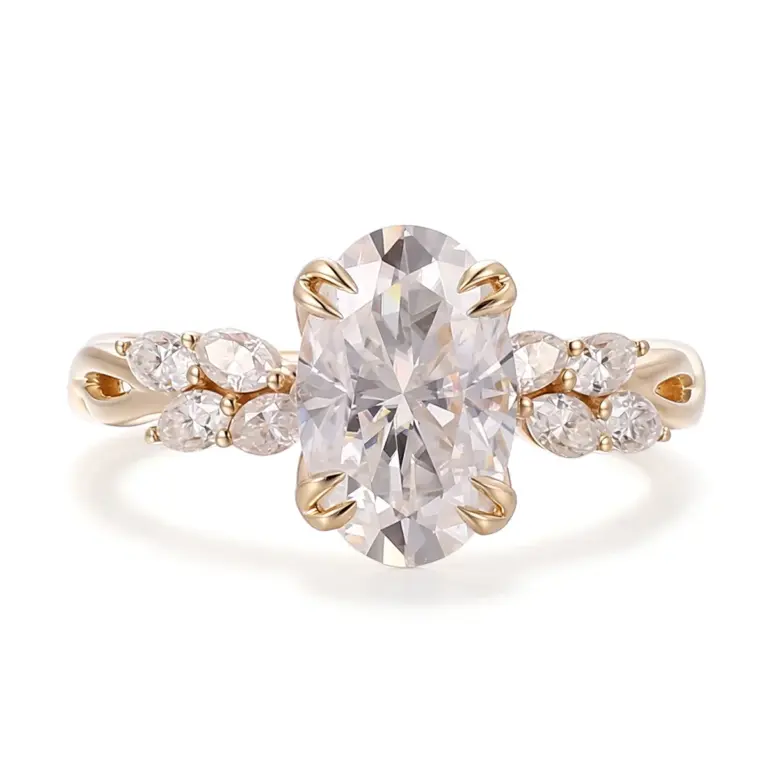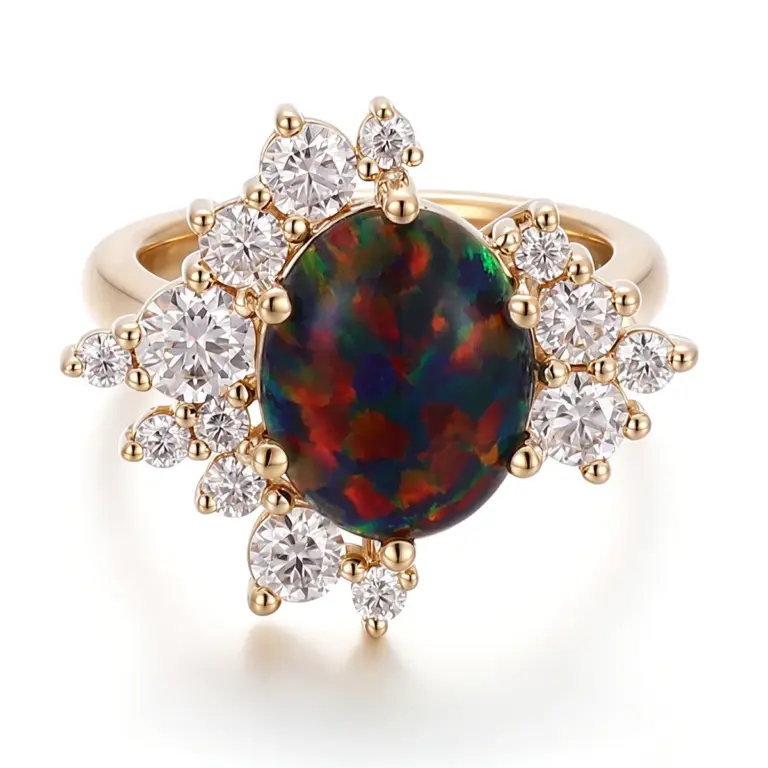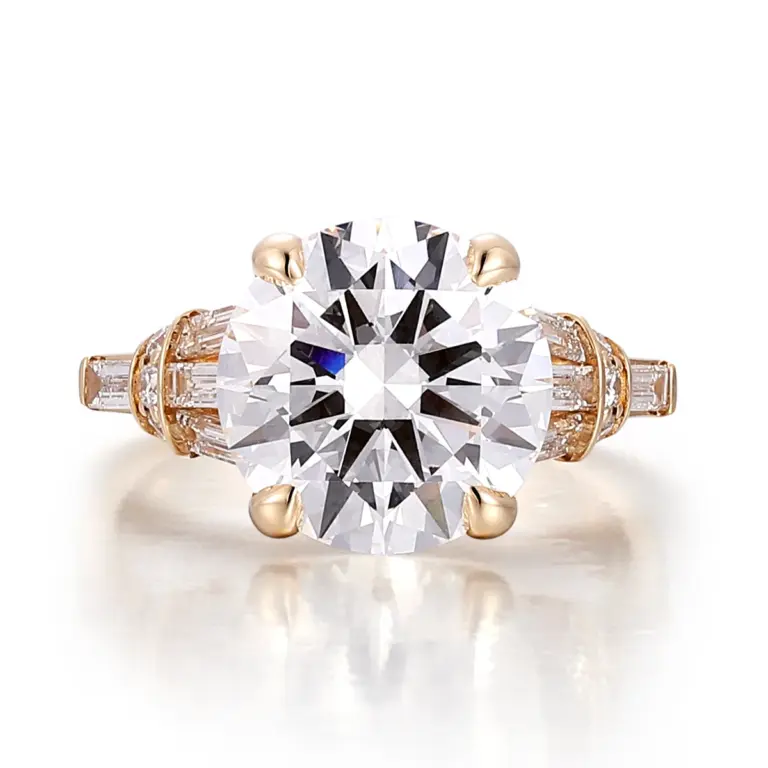
Cluster Engagement Rings

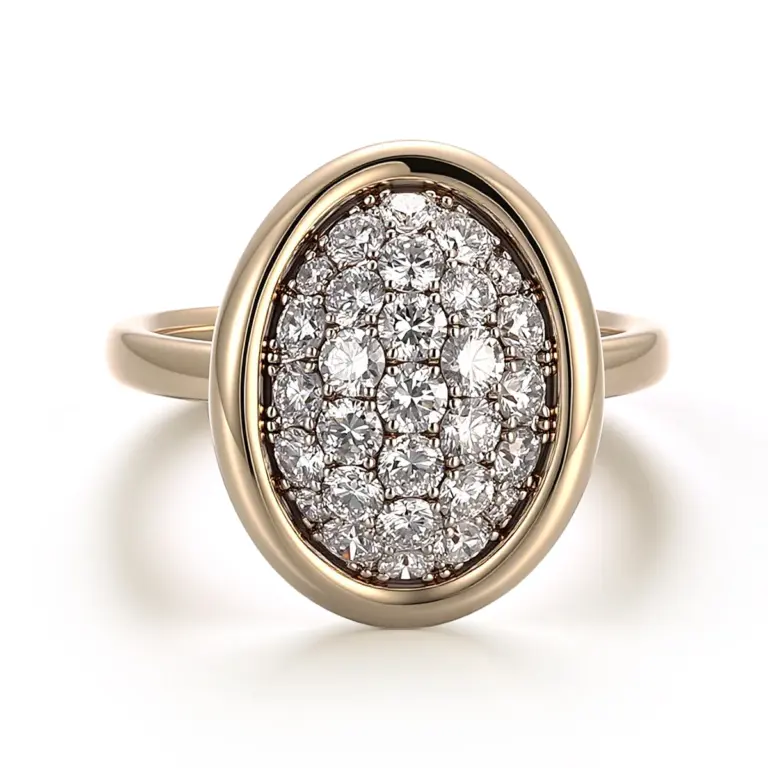
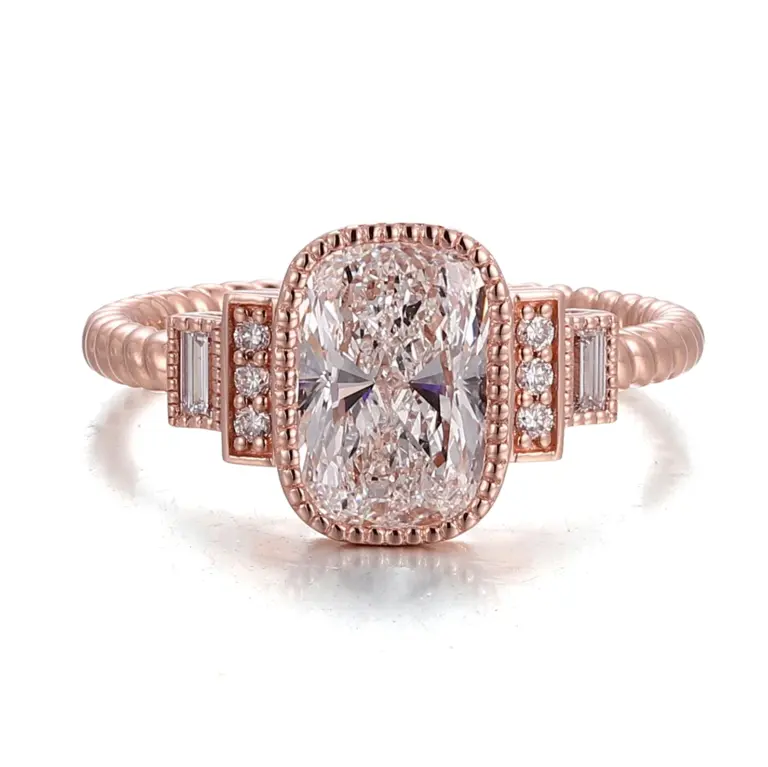
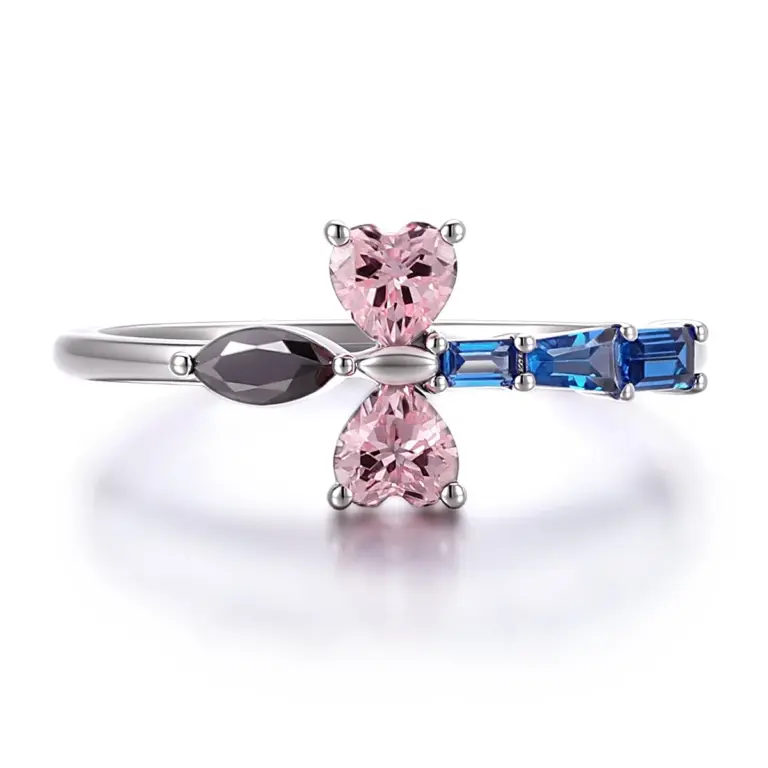
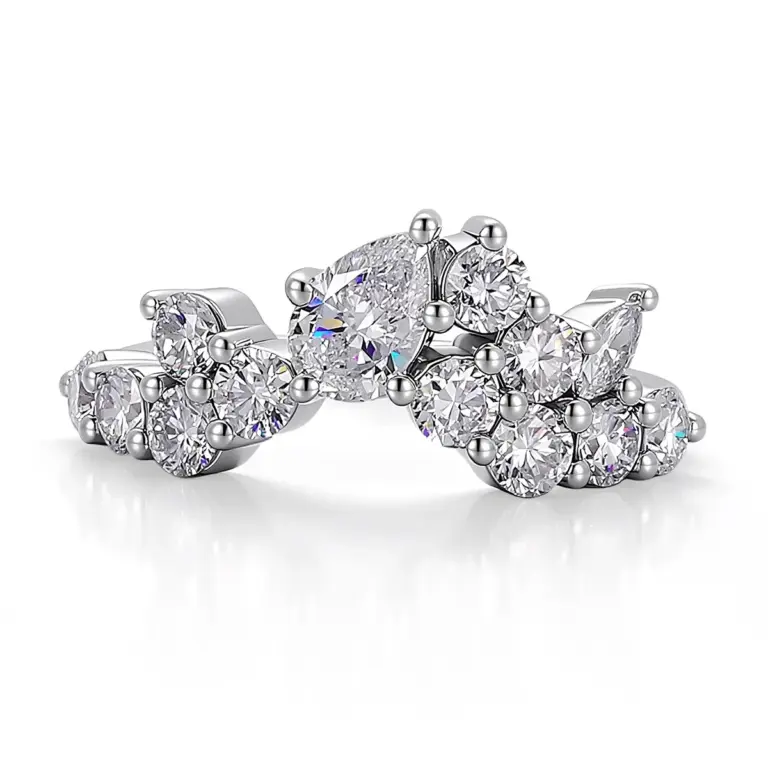
A cluster engagement ring brings together a constellation of smaller diamonds or gemstones — arranged as a floral bloom, starburst, halo, or abstract art-piece — to create bold, multi-dimensional sparkle that rivals diamonds many times the price.

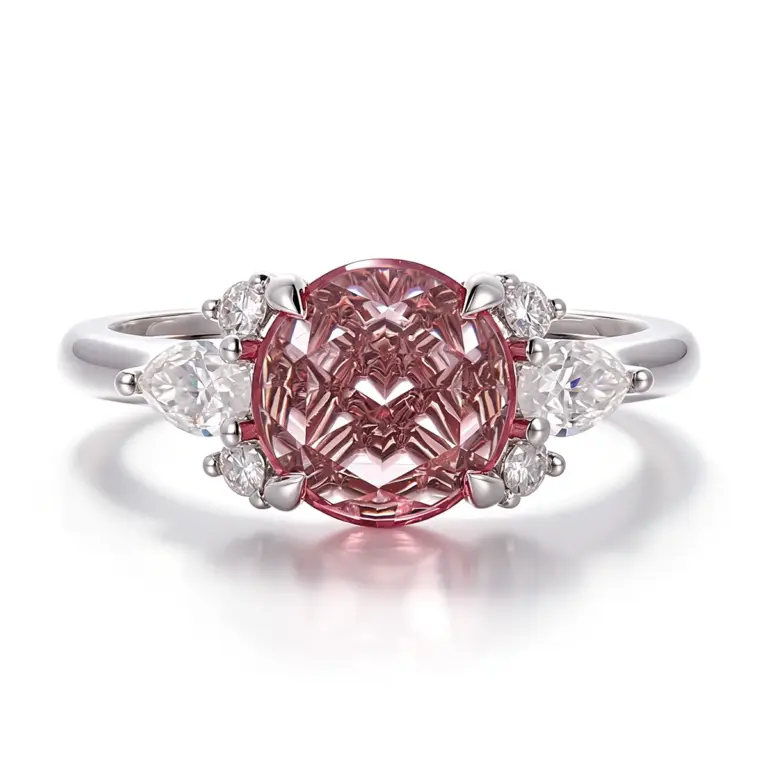
Regal Cluster Engagement Ring in Platinum with Oval Lab Grown Diamond

Price range: $1,602.00 through $2,237.01
This platinum cluster ring gathers 6.26ct of lab grown diamonds into a brilliant, sculptural arrangement. The clustered Oval-cut stones reflect light in every direction for a radiant, celebratory look.

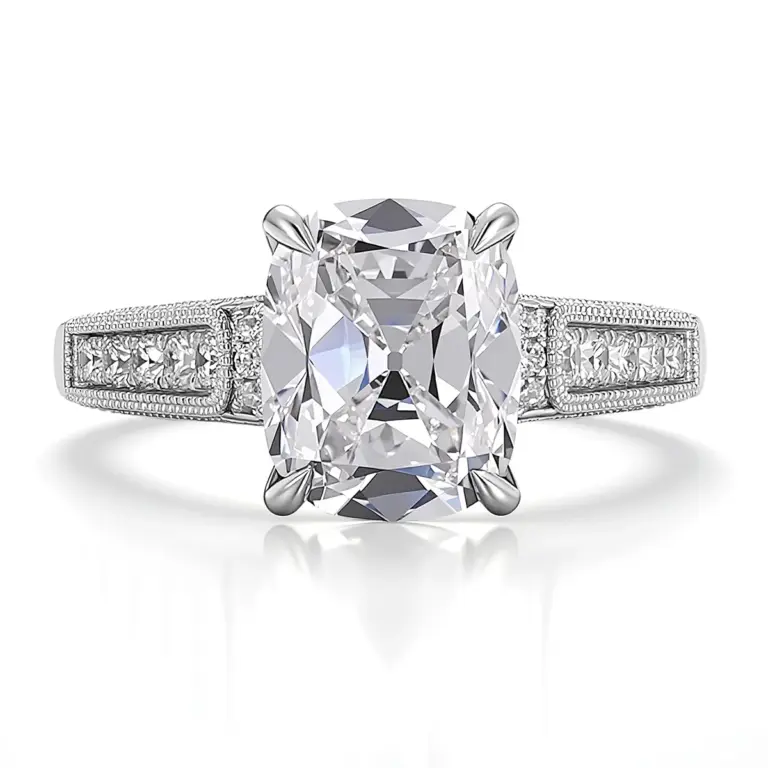
Platinum Oval Lab Grown Diamond Heirloom Cluster Ring

Price range: $1,390.22 through $1,975.10
Multiple Oval-cut lab grown diamonds come together in a dazzling cluster across this platinum band. Together they deliver 4.7ct of total brilliance ?? an eye-catching alternative to the traditional solitaire.

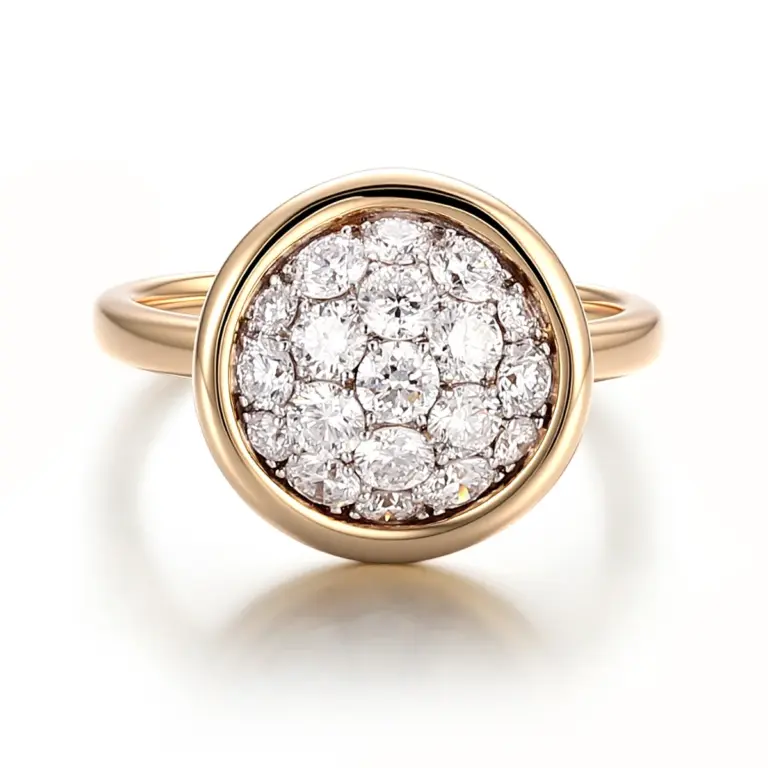
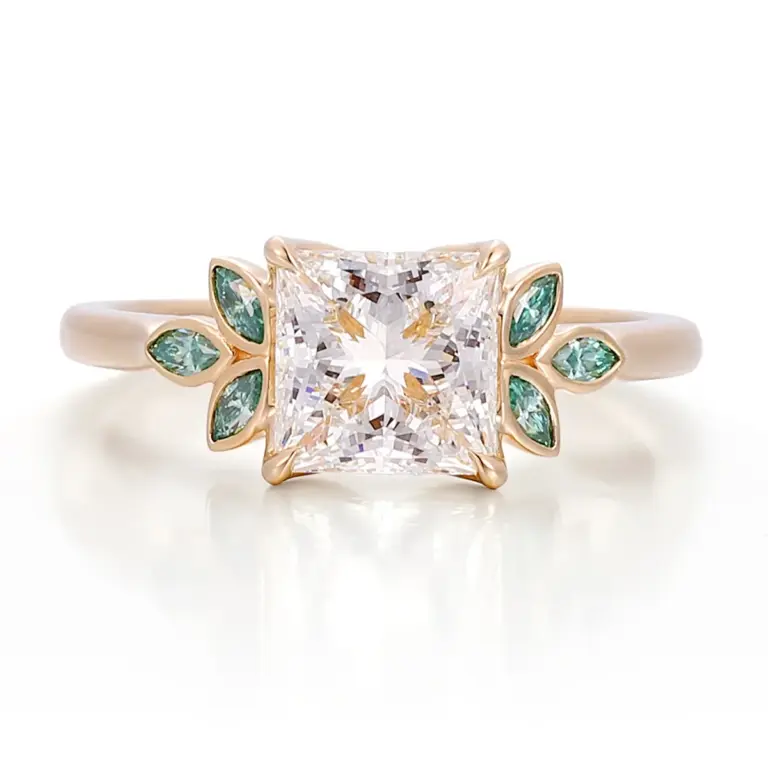
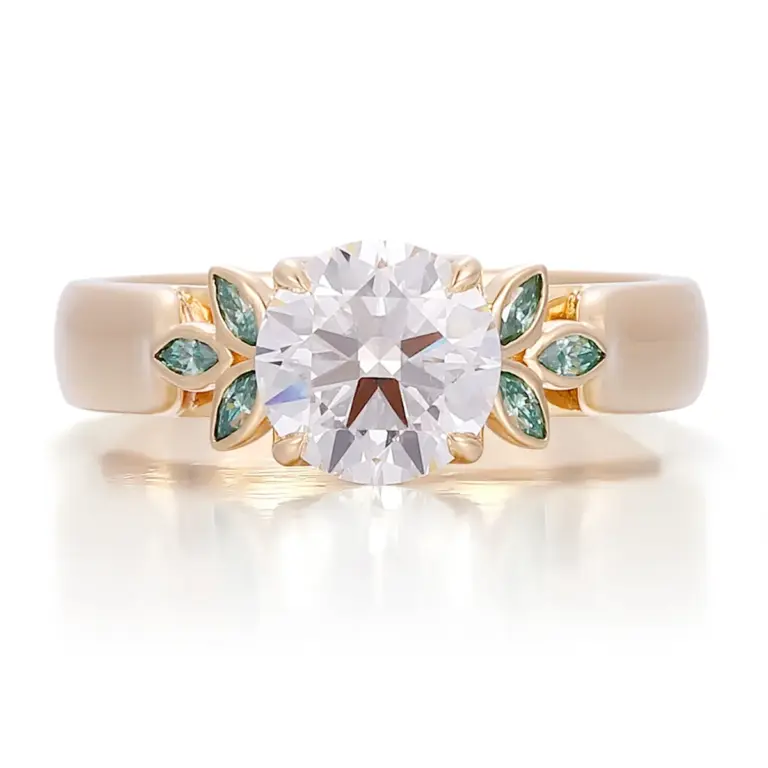
Minimalist Cluster Engagement Ring in 14K Gold with Round Lab Grown Diamond

Price range: $1,125.97 through $1,662.53
This 14K gold cluster ring gathers 1.09ct of lab grown diamonds into a brilliant, sculptural arrangement. The clustered Round-cut stones reflect light in every direction for a radiant, celebratory look.

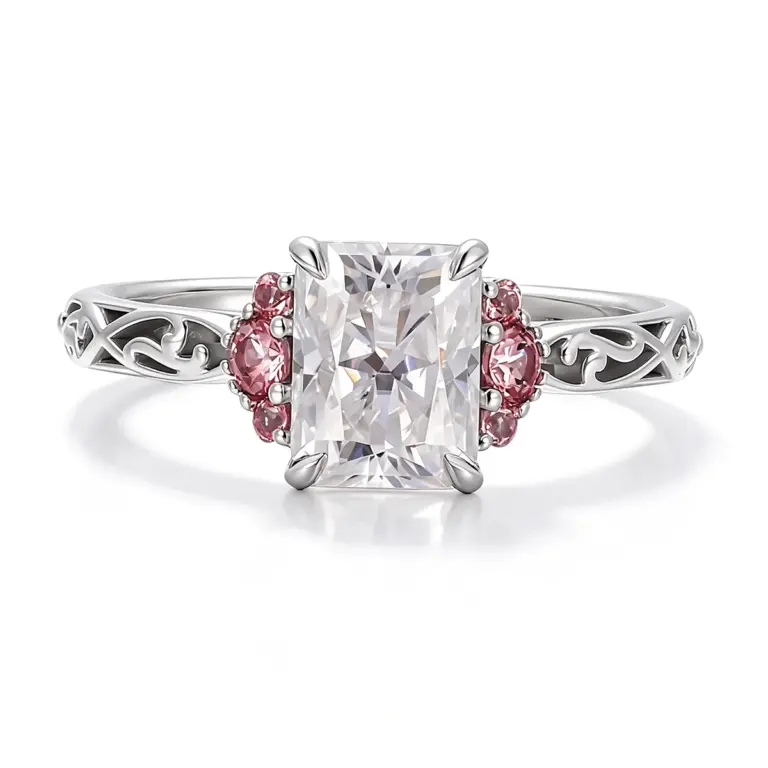
10K Gold Round Lab Grown Diamond Vintage-Inspired Cluster Ring

Price range: $1,477.10 through $2,178.96
Multiple Round-cut lab grown diamonds come together in a dazzling cluster across this 10K gold band. Together they deliver 1.04ct of total brilliance ?? an eye-catching alternative to the traditional solitaire.

Delicate 10K Gold Round Lab Grown Diamond Cluster Engagement Ring
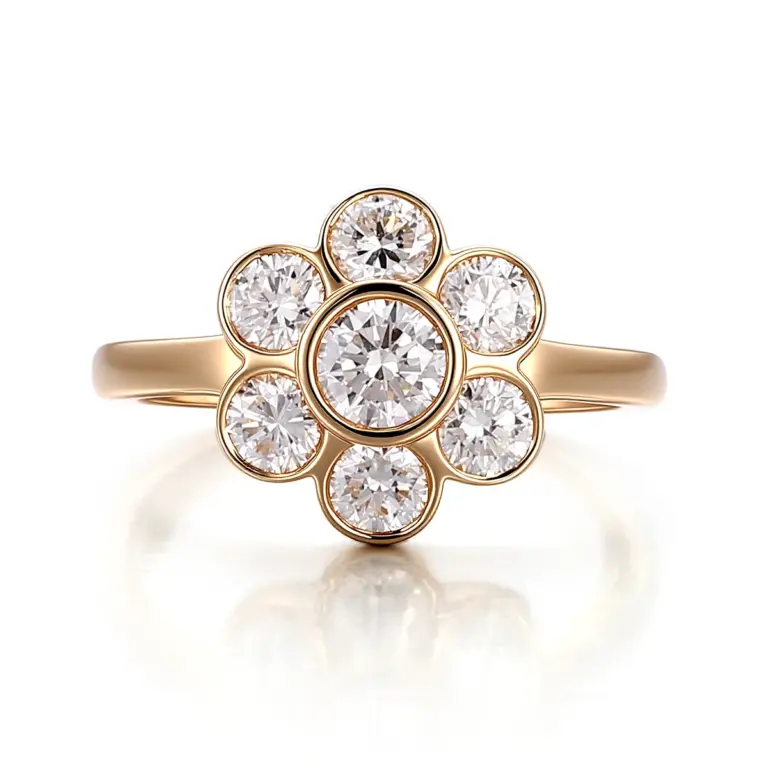
Price range: $1,247.83 through $1,850.15
An artful arrangement of Round-cut lab grown diamonds clusters together in this 10K gold engagement ring. The multi-stone composition creates the illusion of a single, larger diamond with exceptional sparkle.

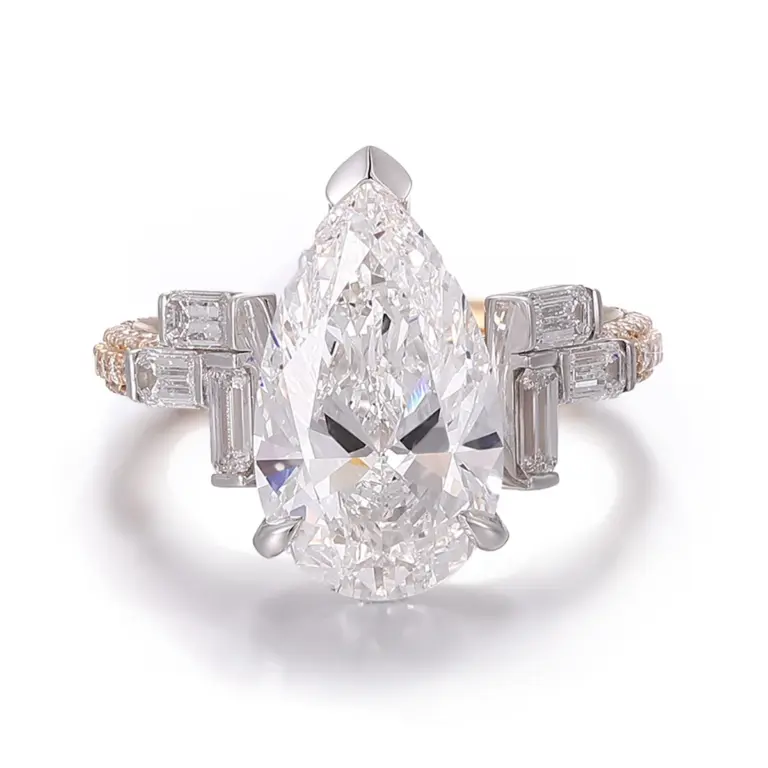
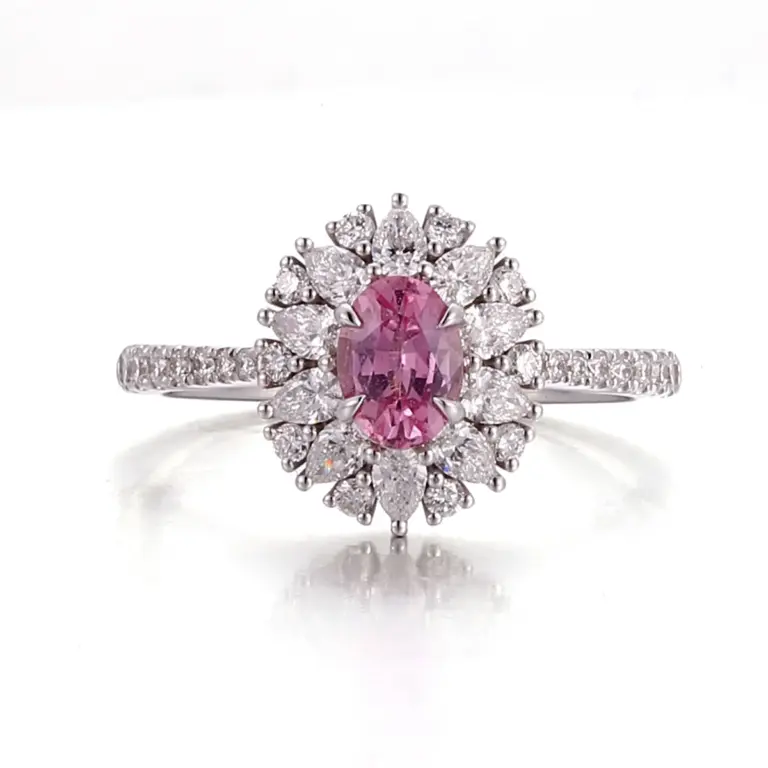
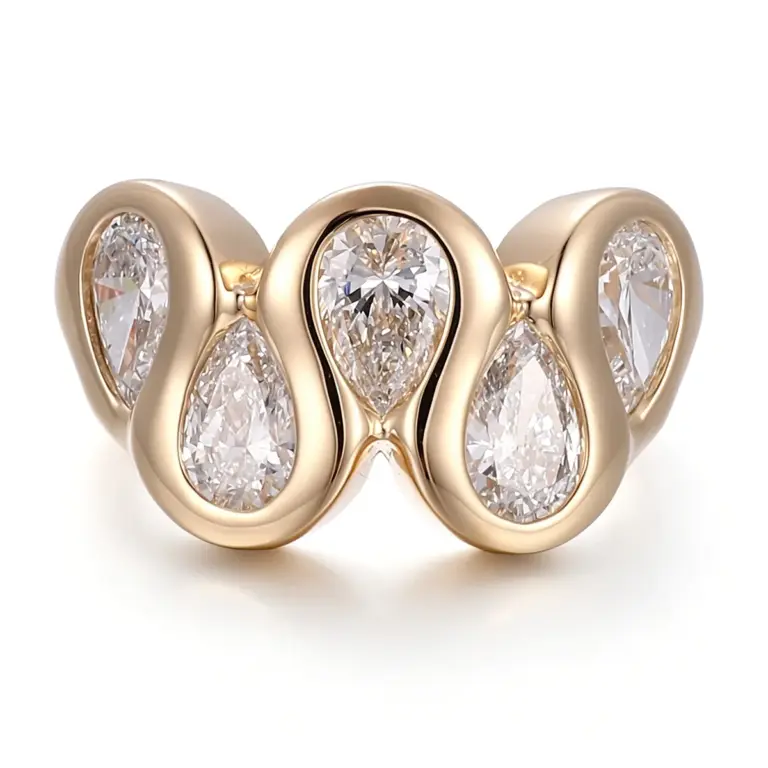
Pear Lab Grown Diamond Sophisticated Cluster Engagement Ring in Platinum

Price range: $1,125.59 through $1,578.59
Inspired by floral motifs, this platinum cluster ring arranges Pear-cut lab grown diamonds in a petal-like formation. The organic clustering of stones creates a romantic, vintage-inspired silhouette.

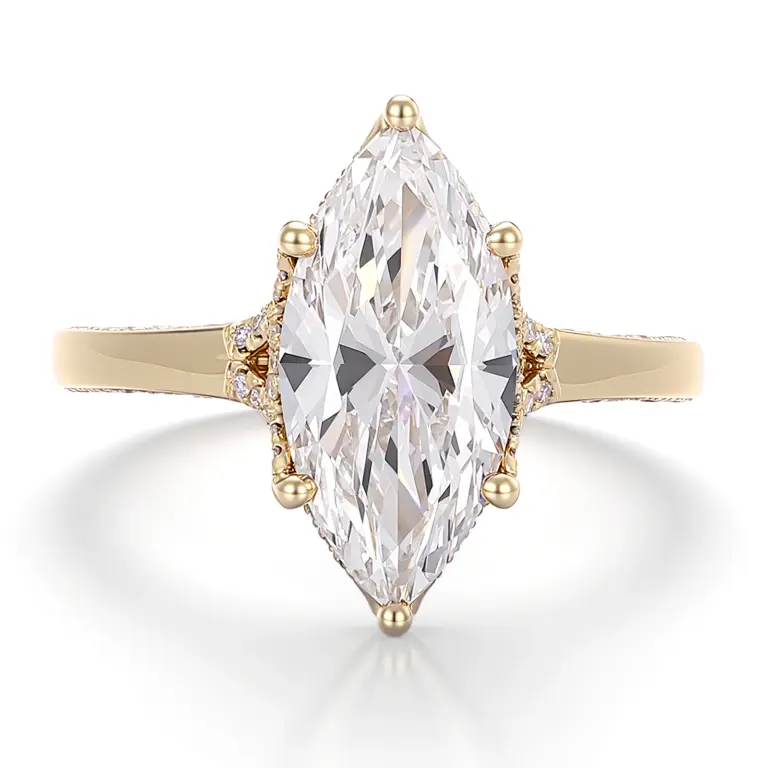
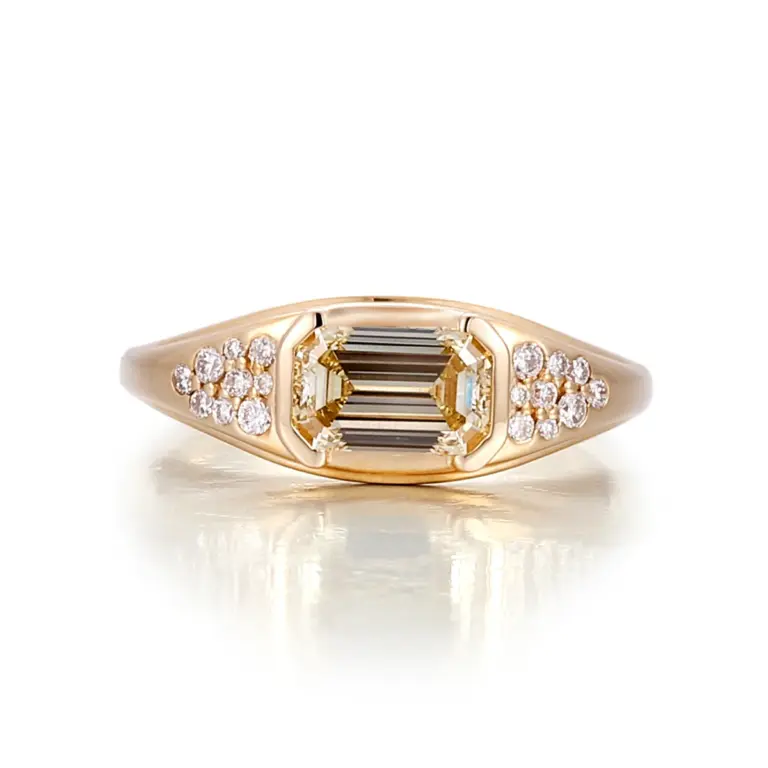
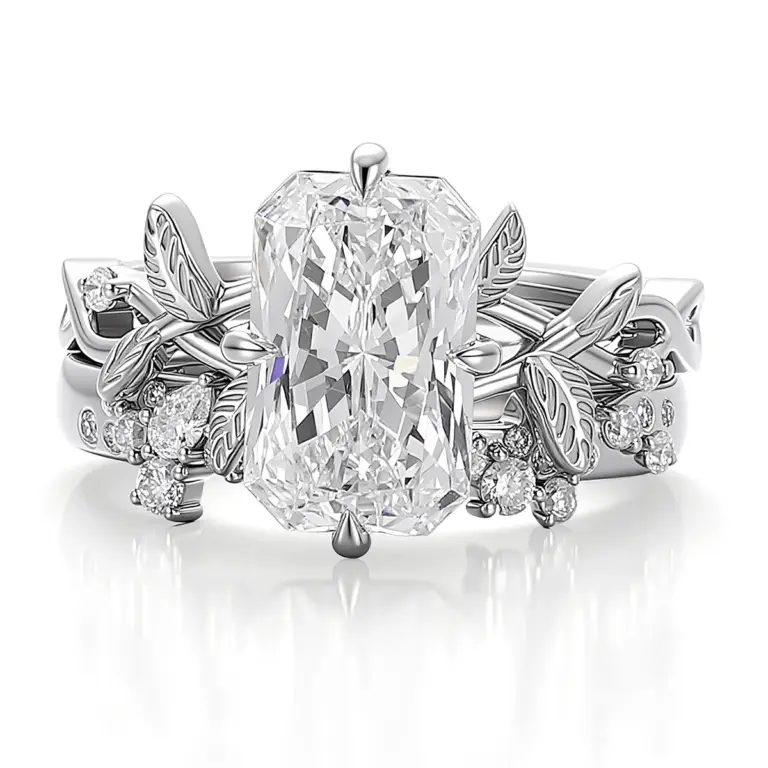
Platinum Cluster Engagement Ring Featuring Emerald & Marquise Lab Grown Diamond

Price range: $1,303.57 through $1,855.03
A constellation of Emerald and Marquise lab grown diamonds sparkles across the face of this platinum engagement ring. Each stone is strategically set to maximize brilliance, creating a beautifully textured surface that captivates.

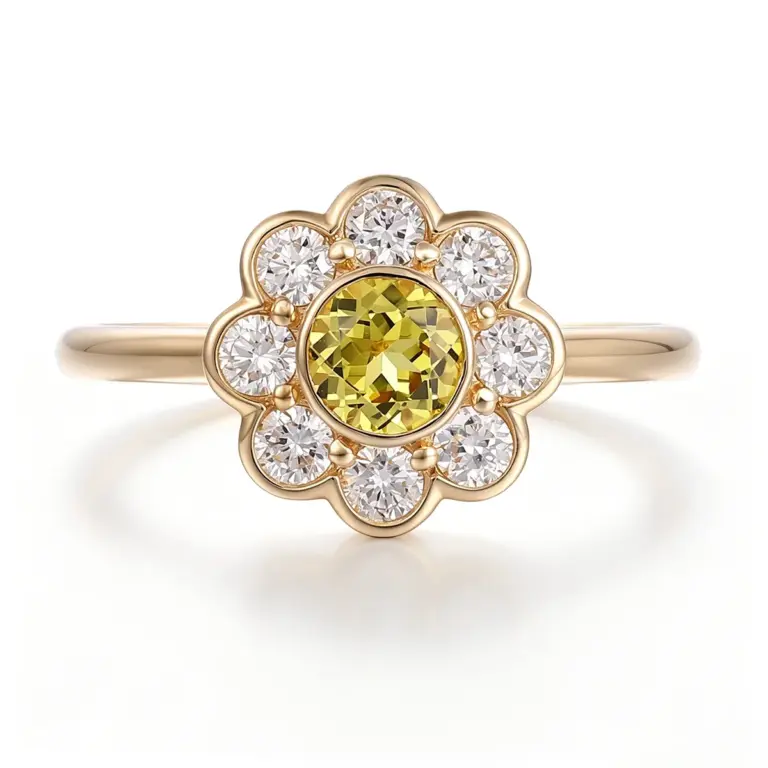
10K Gold Cluster Engagement Ring Featuring Round Lab Grown Diamond

Price range: $840.51 through $1,206.34
A constellation of Round-cut lab grown diamonds sparkles across the face of this 10K gold engagement ring. Each stone is strategically set to maximize brilliance, creating a beautifully textured surface that captivates.

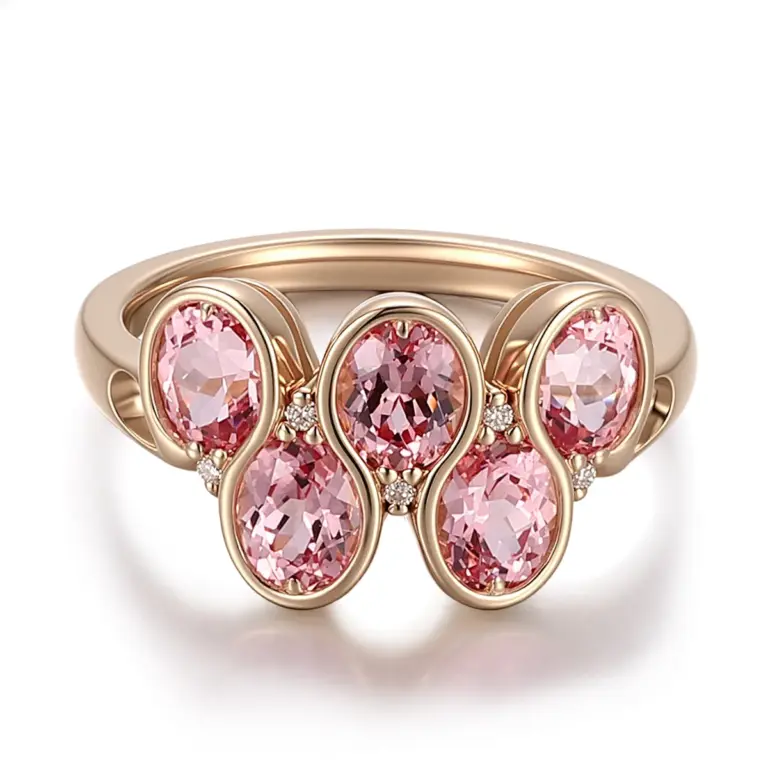
Oval Lab Grown Diamond Precious Cluster Engagement Ring in 18K Gold

Price range: $1,049.91 through $1,479.74
Inspired by floral motifs, this 18K gold cluster ring arranges Oval-cut lab grown diamonds in a petal-like formation. The organic clustering of stones creates a romantic, vintage-inspired silhouette.

Regal Cluster Engagement Ring in 14K Gold with Round Lab Grown Diamond

Price range: $803.41 through $1,219.38
This 14K gold cluster ring gathers 1.56ct of lab grown diamonds into a brilliant, sculptural arrangement. The clustered Round-cut stones reflect light in every direction for a radiant, celebratory look.

14K Gold Round Lab Grown Diamond Heirloom Cluster Ring

Price range: $805.69 through $1,208.55
Multiple Round-cut lab grown diamonds come together in a dazzling cluster across this 14K gold band. Together they deliver 1.38ct of total brilliance ?? an eye-catching alternative to the traditional solitaire.

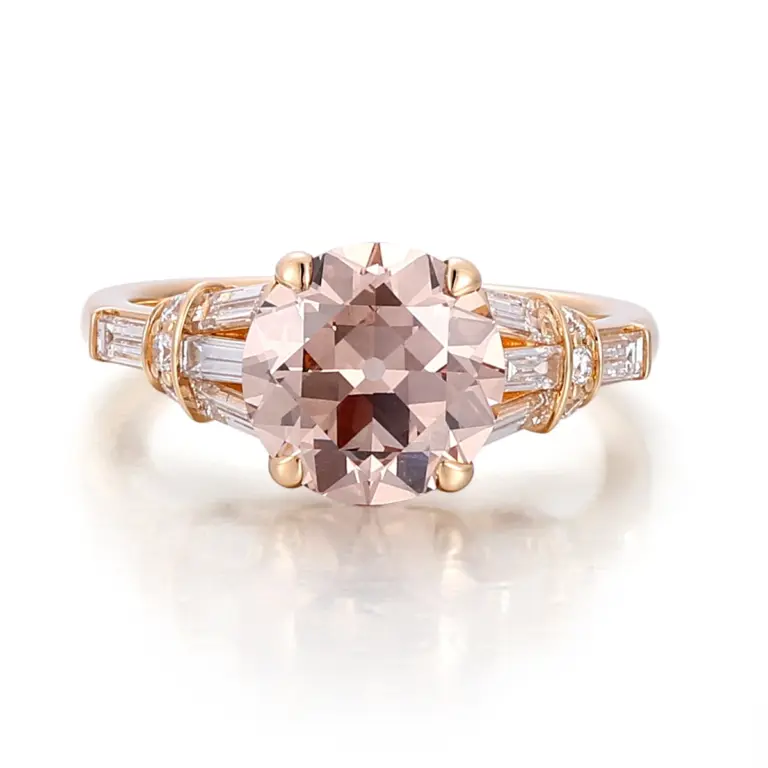
Art Deco 10K Gold Pear Lab Grown Diamond Cluster Engagement Ring
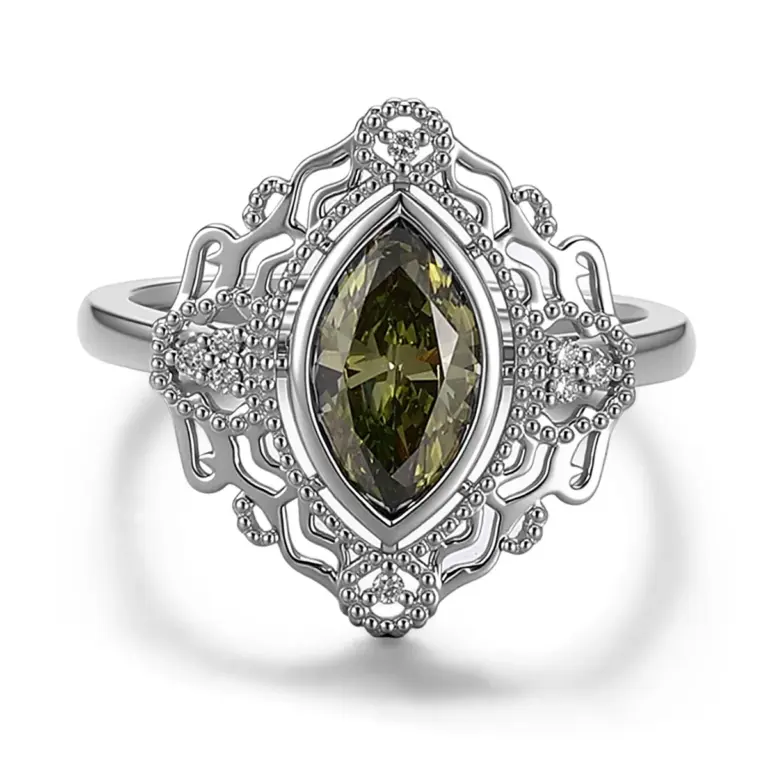
Price range: $2,314.13 through $3,064.31
An artful arrangement of Pear-cut lab grown diamonds clusters together in this 10K gold engagement ring. The multi-stone composition creates the illusion of a single, larger diamond with exceptional sparkle.

Everything You Need to Know About Cluster Engagement Rings

Cluster engagement rings have captivated ring-seekers for centuries — from the ornate floral settings of the Victorian era to the graphic, architectural arrangements popular today. The concept is elegantly simple: instead of a single large centre stone, multiple smaller diamonds or gemstones are grouped together to form one dazzling focal point. The result is a ring that sparkles from every angle and offers far more design freedom than a traditional solitaire.

What makes a cluster ring different?

Unlike a halo ring — where smaller stones orbit a single centre diamond — a cluster ring uses its arrangement as the centrepiece. There is no dominant stone; the entire grouping is the star. This makes cluster designs especially versatile: stones can be set in geometric grids, cascading organic shapes, floral motifs, or starburst formations. You're not bound by conventional diamond shapes either — mixing round brilliants with marquise, pear, or emerald cuts creates movement and texture that a single stone simply cannot.

The practical benefits: big sparkle, smart value

One of the most compelling reasons to choose a cluster ring is value. A collection of smaller diamonds set closely together can deliver the same visual impact — sometimes greater — as a single stone of equivalent surface area, at a significantly lower cost. This makes cluster rings an excellent choice if you want maximum sparkle within a considered budget, or if you'd prefer to invest in metal quality or customisation rather than a single large stone.

Popular cluster ring styles

Cluster rings come in a wide range of designs to suit different tastes:

Floral cluster rings arrange petals of marquise or pear-cut stones around a round centre, evoking a blooming flower. Halo cluster rings place a central diamond inside a ring of smaller surrounding stones for amplified brilliance. Starburst cluster rings radiate pointed marquise or kite-shaped diamonds outward from a central point for a bold, dramatic look. Asymmetric and sculptural clusters take a freeform approach, stacking stones in an organic arrangement that feels truly one-of-a-kind. Vintage-inspired clusters draw on the delicate craftsmanship of Victorian, Edwardian, and Art Deco jewellery — often featuring milgrain detailing, rose-cut diamonds, and antique-feeling compositions.

Choosing the right metal

Cluster rings work beautifully in all precious metals. Yellow gold brings warmth that flatters coloured gemstone accents and gives vintage-inspired designs an authentic glow. White gold and platinum provide a cool, contemporary backdrop that makes diamonds appear especially bright and icy. Rose gold adds a romantic, modern softness. If your cluster features coloured stones — sapphires, emeralds, or rubies — consider a metal that complements their hue.

Pairing your cluster ring with a wedding band

Because cluster rings often have an irregular profile or raised setting, pairing them with a wedding band requires a little thought. A slim, plain or pavé band that sits flush below the cluster is a timeless choice. Curved or contoured bands are designed specifically to nestle alongside more pronounced settings. For a bolder look, a bespoke shaped band that mirrors the outline of your cluster ring creates a cohesive, purposeful set.

Caring for your cluster ring

With multiple stones set closely together, a cluster ring benefits from regular gentle cleaning — a soft toothbrush, warm water, and a drop of mild dish soap will clear any build-up between the settings. Have the prongs checked by a jeweller once a year; because there are more individual settings than in a solitaire, it's worth ensuring every stone remains secure.

Cluster Engagement Rings — Frequently Asked Questions

Q1. What is a cluster engagement ring?

A cluster engagement ring features a group of smaller diamonds or gemstones arranged together to form the main focal point of the ring, rather than using a single large centre stone. The arrangement can take many forms — flowers, starbursts, halos, abstract shapes — and creates a rich, multi-faceted sparkle.

Q2. Are cluster engagement rings cheaper than solitaires?

Generally, yes. Because smaller diamonds cost significantly less per carat than a single large stone, a cluster ring can deliver the look of a much larger diamond at a fraction of the price. This makes cluster rings one of the best options for maximising visual impact within a budget.

Q3. Is a cluster ring the same as a halo ring?

Not exactly. A halo ring has a distinct centre stone encircled by a ring of smaller diamonds. In a true cluster ring, the grouped stones themselves are the centrepiece — there's no single dominant stone, giving the design greater flexibility in shape and arrangement.

Q4. Do cluster engagement rings hold their value?

Like most engagement rings, value retention depends more on the quality of the diamonds and craftsmanship than the style itself. High-quality cluster rings featuring well-graded diamonds in solid gold or platinum can retain strong resale value. Vintage cluster rings — particularly signed or antique pieces — can appreciate over time.

Q5. Are cluster engagement rings durable for everyday wear?

Yes, with proper care. The main consideration is that multiple small stones mean more individual prongs or settings to maintain. Having your ring inspected by a jeweller annually and cleaned regularly will keep every stone secure and sparkling for a lifetime.

Q6. Can I choose lab-grown diamonds for a cluster ring?

Absolutely. Lab-grown diamonds are physically and chemically identical to mined diamonds and are an increasingly popular choice for cluster rings — particularly because the cost savings on individual smaller stones can be significant, leaving more budget for metal choice, setting detail, or overall carat weight.

Q7. What stone shapes work best in a cluster setting?

Round brilliant cuts are the most popular for cluster rings because of their exceptional sparkle. Marquise, pear, and oval cuts are frequently used in petal-style floral clusters. Baguettes and emerald cuts lend a more architectural, geometric look. Mixing different shapes within one cluster — for example, round brilliants with marquise "petals" — is one of the defining pleasures of the style.

Q8. How do I choose a wedding band to go with a cluster engagement ring?

Look for a slim band that complements rather than competes with your cluster. Plain or pavé bands in a matching metal sit elegantly alongside most cluster styles. If your ring has a pronounced shape or raised profile, a curved or contoured band is worth considering — or speak to us about a bespoke shaped band designed to fit your exact ring perfectly.