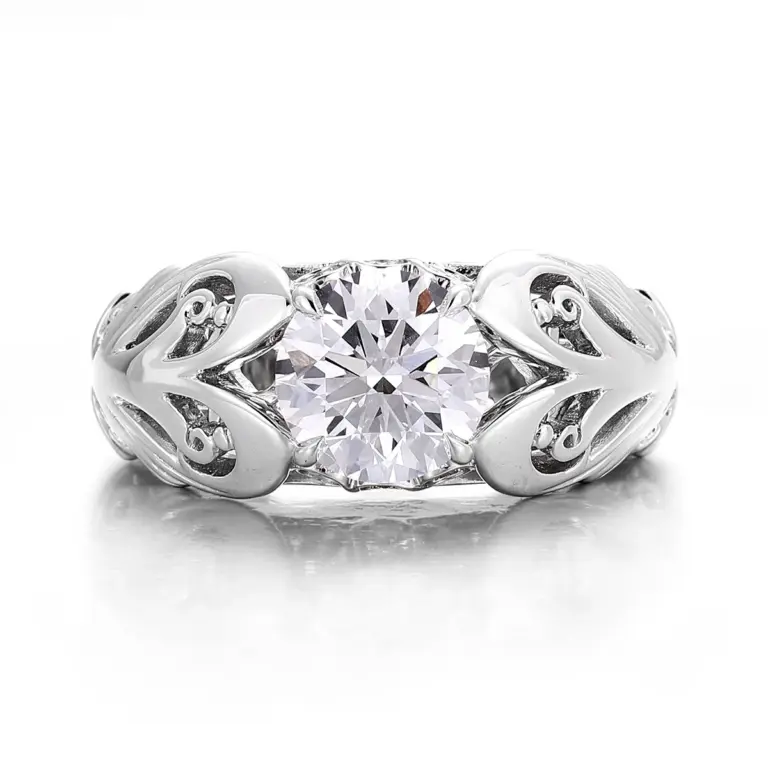
Wide Band Engagement Rings

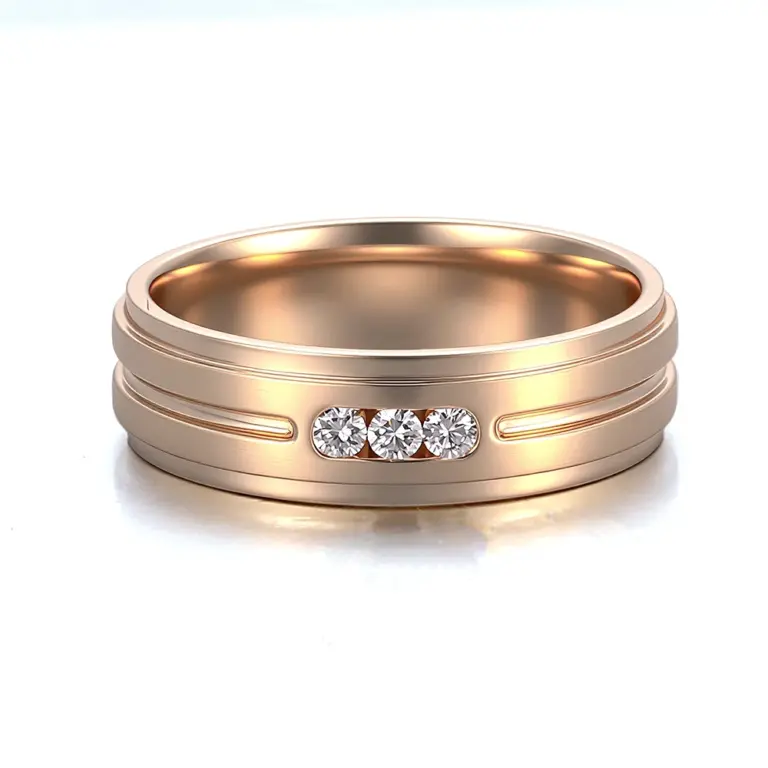
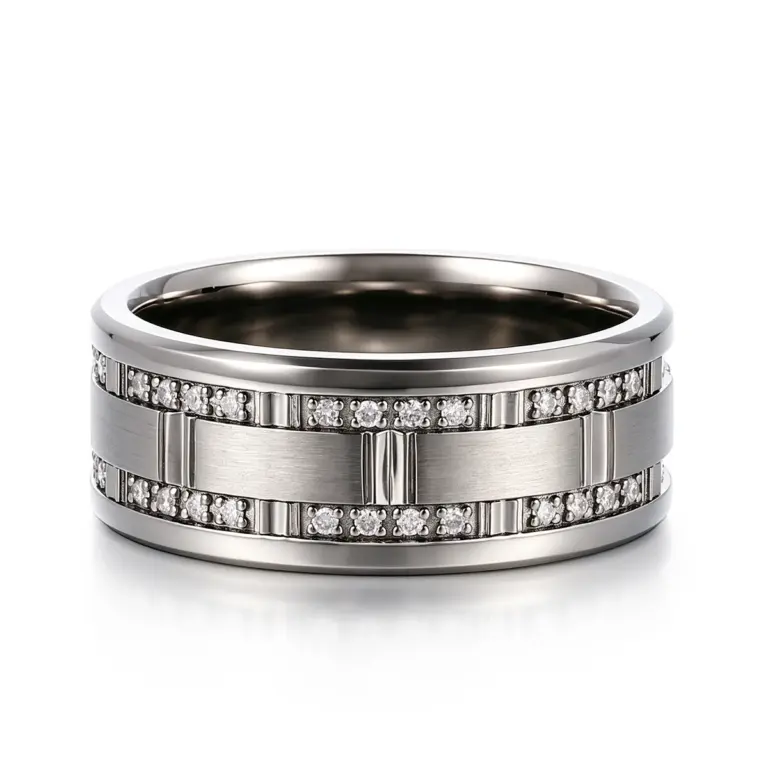
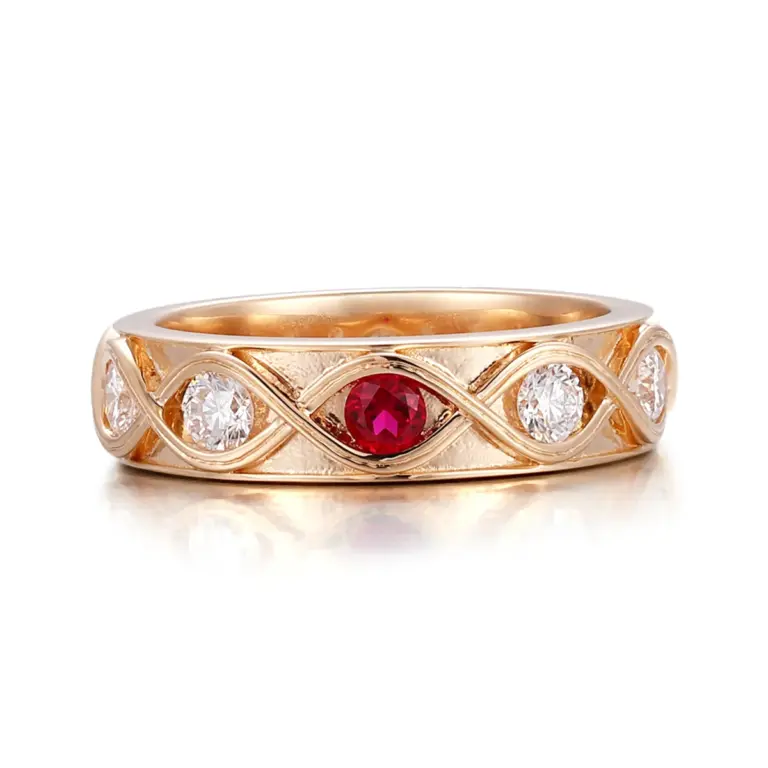
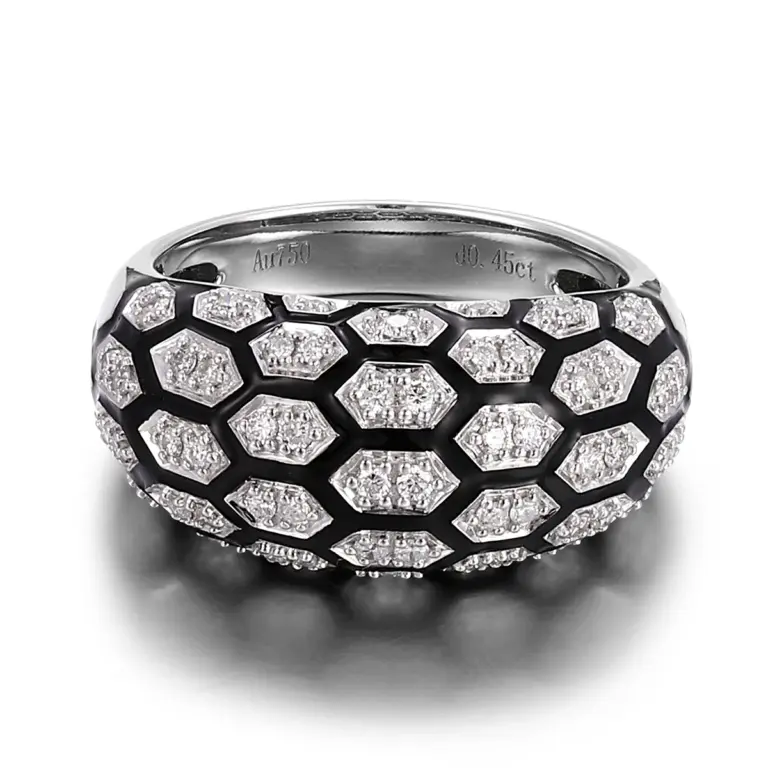
Some rings whisper. Wide band engagement rings make a statement. Featuring broader shanks of 4mm and above, these bold settings command attention, balance larger center stones beautifully, and wear with a confidence that classic solitaires simply can’t match.

By Stone Type
By Price
By Style
By Stone Carat
By Stone Color

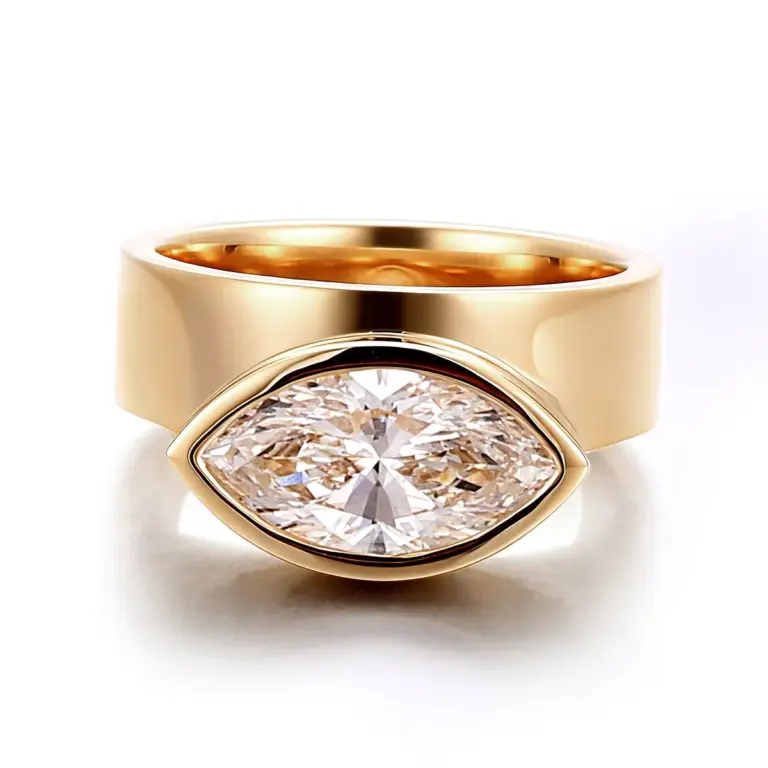
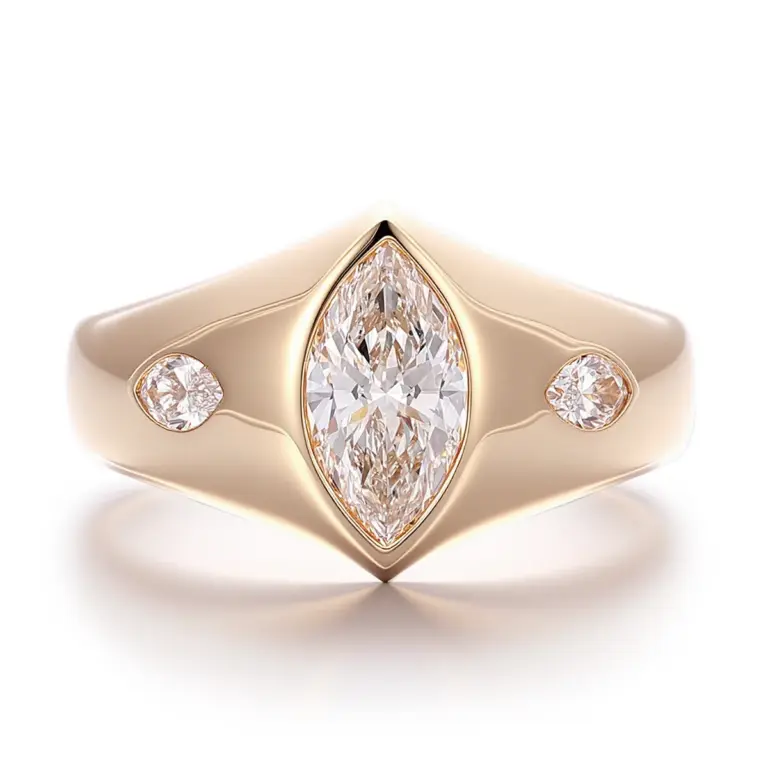
14K Gold Marquise Lab Grown Diamond Bezel Wide Band Engagement Ring

Price range: $1,127.30 through $2,232.02
Combining a sleek bezel-set marquise lab grown diamond with a bold wide band, this 14K gold engagement ring offers modern sophistication. Its distinctive silhouette creates a striking and contemporary statement.
Select options This product has multiple variants. The options may be chosen on the product page

14K Gold Round Lab Grown Diamond Bezel Wide Band Engagement Ring

Price range: $994.97 through $2,099.69
A brilliant round lab grown diamond is showcased in a contemporary bezel setting atop a bold wide band. Crafted in 14K gold, this ring balances modern design with timeless elegance.
Select options This product has multiple variants. The options may be chosen on the product page

14K White Gold Round Lab Grown Diamond Prong Set Wide Band Engagement Ring

Price range: $1,359.88 through $2,715.27
This bold 14K white gold engagement ring features a round lab grown diamond atop a stylish wide band. The substantial design offers contemporary elegance and exceptional presence.
Select options This product has multiple variants. The options may be chosen on the product page

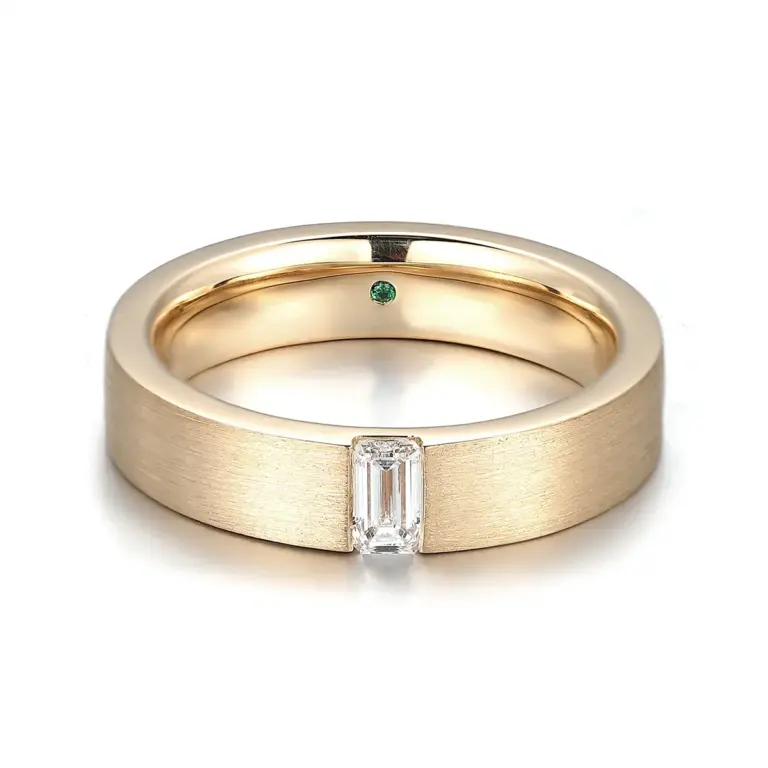
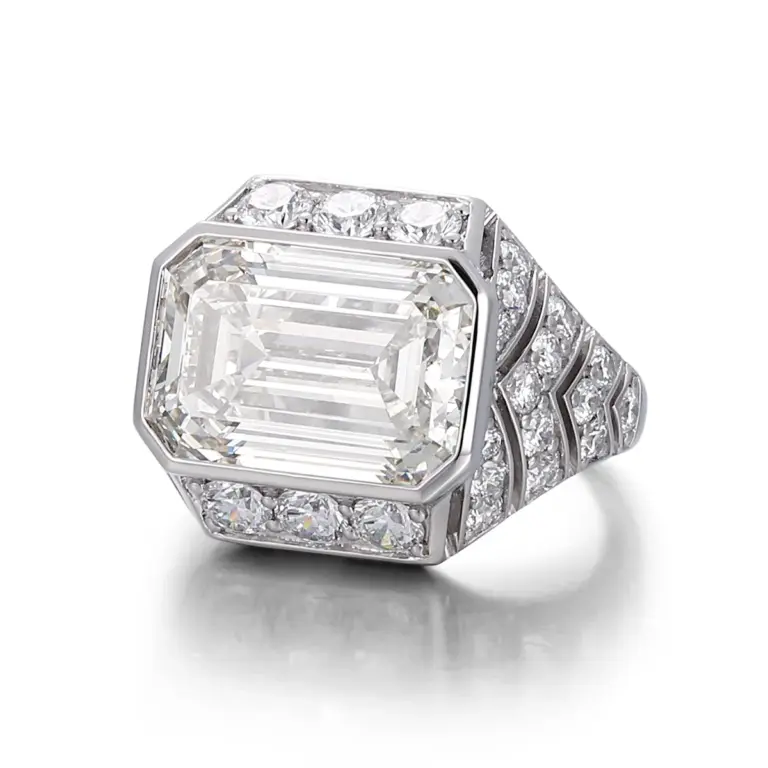
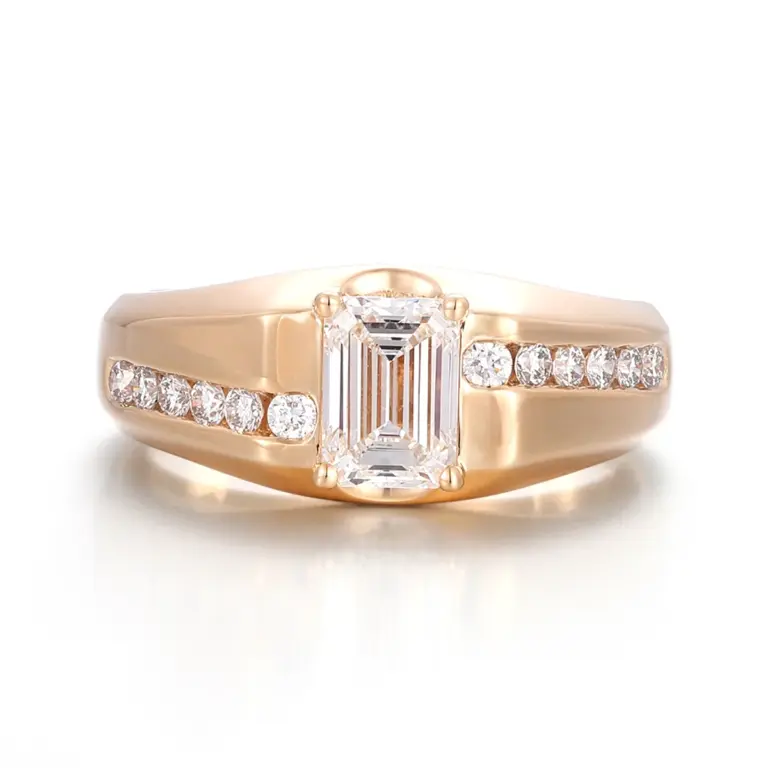
14K Gold Emerald Lab Grown Diamond Prong Set Wide Band Engagement Ring

Price range: $2,139.04 through $4,311.46
An emerald-cut lab grown diamond is beautifully displayed on a bold wide band, creating a striking and contemporary engagement ring.
Select options This product has multiple variants. The options may be chosen on the product page
Everything You Need to Know About Wide Band Engagement Rings

What Makes a Band "Wide"?

In fine jewelry, a band is generally considered wide when it measures 4mm or more across the shank. Most standard solitaire engagement rings sit between 1.5mm and 2.5mm, so wide band styles are noticeably bolder at first glance. The most popular wide band widths range from 4mm to 8mm, with statement styles occasionally reaching 10mm or more. The extra surface area isn't just visual — it creates a more secure, substantial feel on the finger, and gives designers more room to work with intricate details like pavé diamonds, milgrain edges, engraving, and channel settings.

Wide Band Styles Worth Knowing

Not all wide band engagement rings look alike. Here's a breakdown of the most popular styles you'll find in our collection:

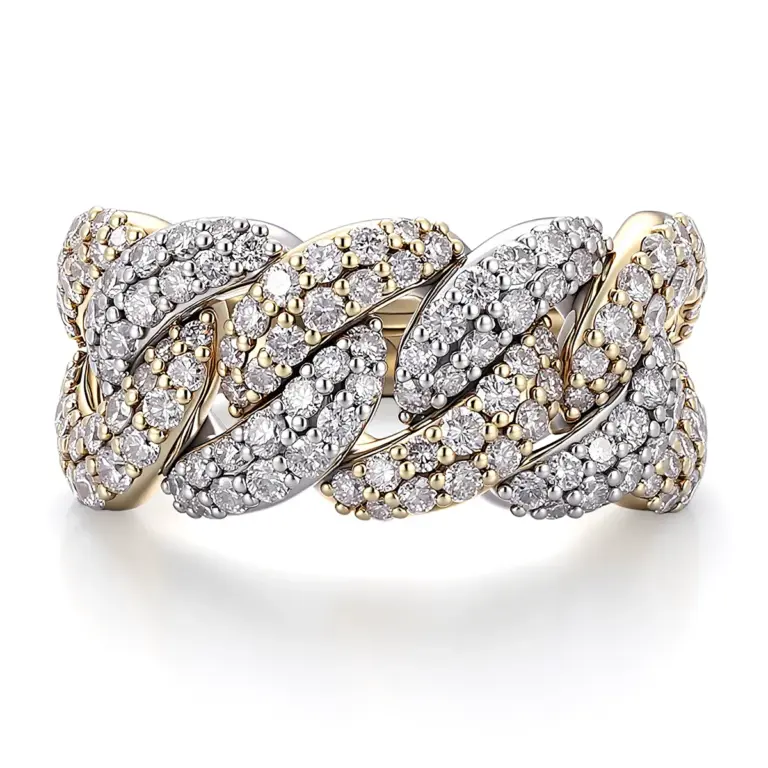
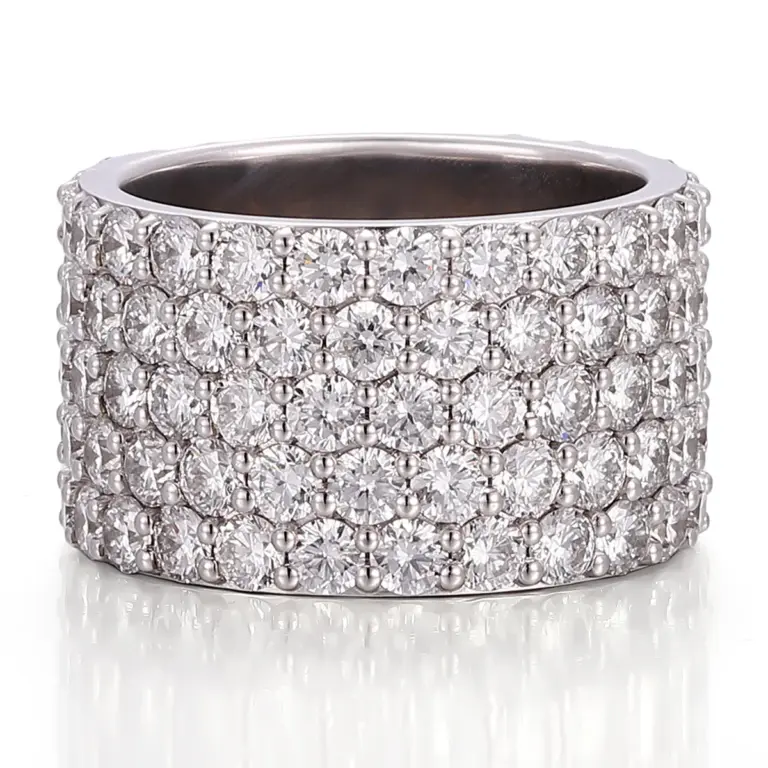
    • Pavé Wide Band — Rows of small, closely set diamonds run along a broad shank for a continuous sparkle that wraps the finger. One of the most sought-after looks in modern bridal jewelry.
    • Sculptural & Cathedral — Wide bands with architectural arches that elevate the center stone, creating a dramatic silhouette with no extra diamonds needed.
    • Channel Set Wide Band — Diamonds or gemstones are set flush within a channel cut into the band, offering a sleek, snag-free look that suits active lifestyles.
    • Bezel Wide Band — A full metal rim encases the center stone on a broad shank, pairing a modern, minimal aesthetic with maximum protection for the stone.
    • Vintage-Inspired Wide Band — Milgrain borders, filigree detailing, and engraved shanks create an antique or Art Deco feel with the durability of modern craftsmanship.

Which Center Stone Shapes Look Best on a Wide Band?

Band width should always be considered alongside the center stone shape. Wide bands tend to complement larger or elongated stones most harmoniously:

    • Oval, emerald, and radiant cuts — Their elongated footprint mirrors the generous presence of a wide shank beautifully.
    • Cushion and round cuts — A wide pavé or sculpted band amplifies the stone's brilliance without competing with it.
    • Marquise and pear shapes — The dramatic silhouette of these cuts is elevated further by a substantial band beneath.

Smaller stones like 0.5ct rounds can feel unbalanced on very wide shanks — a 4–5mm width is usually the sweet spot for stones under 1ct.

Metal Choices for Wide Band Rings

Because more metal is visible on a wide band, your choice of metal has a bigger impact than it does on a thin solitaire. Here's what to consider:

    • 14K or 18K Yellow Gold — Warm, classic, and excellent for vintage-inspired or nature-inspired wide band designs.
    • White Gold — The most popular choice for wide band pavé settings; its cool tone makes diamonds appear whiter and larger.
    • Rose Gold — Romantic and on-trend; the pink hue looks exceptional against both white diamonds and moissanite.
    • Platinum — The premium choice for wide band rings. Denser than gold, more resistant to wear, and naturally hypoallergenic — ideal if the ring will be worn daily.

How to Resize a Wide Band Engagement Ring

Wide band rings are slightly more complex to resize than thin bands because the jeweler needs to maintain the integrity of any diamond setting, engraving, or design detail that runs around the full shank. Most rings can still be resized up or down by 1–2 sizes. For rings with continuous diamond settings (like eternity-style wide bands), a resize may require adding or removing stones. We recommend sizing up by half a size if you're between sizes, as wide bands can feel slightly tighter than a standard ring of the same size.

Frequently Asked Questions About Wide Band Engagement Rings

Q1. What is considered a wide band for an engagement ring?

A wide band engagement ring typically has a shank width of 4mm or more. Standard engagement ring shanks measure between 1.5mm and 3mm, so anything at 4mm and above reads as noticeably bold and substantial. Widths of 5mm–8mm are most common in wide band styles, with very statement pieces reaching 10mm or more.

Q2. Do wide band engagement rings make your finger look shorter?

It's a common concern, but width alone doesn't shorten the appearance of fingers — stone shape and ring orientation matter more. Elongated center stones like oval, pear, marquise, and emerald cuts create a lengthening effect that counteracts any visual shortening from a wide shank. If you have shorter or wider fingers and love the wide band look, pairing it with an elongated stone is the most flattering approach.

Q3. Are wide band engagement rings more expensive?

They can be, for two reasons: they use more metal, and many wide band designs incorporate more diamonds along the shank. However, the price difference varies widely depending on the design. A plain wide band solitaire may cost only slightly more than a standard ring, while a full pavé wide band with significant diamond coverage will carry a higher price. Wide bands generally offer excellent value because the extra metal and stone work are visually impactful.

Q4. Can wide band engagement rings be stacked with wedding bands?

Yes, but it requires some planning. Because a wide band takes up more finger space, many couples opt for a custom contoured wedding band designed to sit flush against the engagement ring. Alternatively, a slim curved or knife-edge band can nestle alongside it neatly. We recommend bringing or sharing your engagement ring details when selecting a wedding band to ensure a seamless fit.

Q5. What's the difference between a wide band and a statement ring?

"Wide band" refers specifically to the width of the ring's shank (the part that wraps around the finger), while "statement ring" is a broader aesthetic term for any ring designed to stand out. All wide band engagement rings are statement rings by nature, but a statement ring doesn't have to have a wide band — it could be a large halo setting or an unusually shaped design on a standard shank.

Q6. Are wide band engagement rings still in style?

Absolutely. Wide band engagement rings have been growing in popularity throughout the 2020s, fueled by the rise of bold, sculptural jewelry aesthetics and the influence of vintage Art Deco and Edwardian styles. The trend toward "quiet luxury" and substantial, heirloom-quality pieces has also driven interest in wide, solid-feeling bands over delicate micro-set solitaires.

Q7. How do I care for a wide band engagement ring with pavé diamonds?

Clean your ring every 2–4 weeks by soaking it in warm water with a few drops of mild dish soap, then gently scrubbing with a soft toothbrush. Pay special attention to the underside of the band and between any stone settings. Avoid ultrasonic cleaners if your ring has a significant number of small pavé-set stones, as vibrations can loosen settings over time. Have your ring professionally checked every 6–12 months.