
Jewelry Marketing Strategies That Actually Work in 2026
- Written by Provence Team
- Updated on July 9, 2026
Table of Contents
Search "jewelry marketing strategies" and you'll find dozens of near-identical checklists: post on Instagram, tell your brand story, run an email campaign. None of it is wrong. Almost none of it is enough.
What's missing from most guides is the view from the other side of the supply chain — the perspective of the people who actually produce the pieces being marketed. Provence Jewellery has spent years manufacturing fine jewelry for retail brands and wholesale partners across the US, UK, and EU, exhibiting at JCK Las Vegas and working directly with hundreds of brand teams. That vantage point surfaces a pattern most agency content misses: the brands that grow fastest treat marketing, compliance, and product sourcing as one connected system, not three separate departments.
This guide covers the full picture — audience definition, channel tactics, regional compliance, and the B2B side of the business that almost nobody writes about — with the US, UK, and European markets treated as genuinely distinct audiences, not one generic English-speaking blob.
1. Build Real Buyer Personas — By Market, Not Just by Demographic
Most jewelry brands market to "women 25–45 who like jewelry." That's not a persona, it's a guess. A usable persona defines what the buyer is actually trying to solve: a milestone gift, a self-purchase reward, a wedding decision, a wardrobe staple. Build at least three, and build them separately for each region you sell into, because the buying triggers genuinely differ.
Persona snapshot: three markets, three different triggers
US buyer: values customization and fast shipping; influenced heavily by Instagram and TikTok shopping features; price-sensitive around the $200–$800 gifting range.
UK buyer: more brand-loyalty driven; hallmarking and provenance carry real weight in the purchase decision; strong seasonal spike around Christmas and Mother's Day.
EU buyer (DE/FR/NL core): higher scrutiny of material sourcing and nickel content; sustainability claims are read closely, not just skimmed.
Document each persona's triggering life event, budget band, and objection (usually price, durability, or "is this actually [material] or plated"). Every piece of content you produce afterward should map back to one of these personas — if it doesn't clearly serve one, it's filler.
2. Anchor the Brand in a Story You Can Actually Prove
"Handcrafted with love" is not a differentiator — it's the default copy on nearly every jewelry site. What separates a brand people trust from one they scroll past is specificity: where the metal is sourced, who sets the stones, what the actual production process looks like, and what standard the finished piece is held to.
If you manufacture or work directly with a manufacturer, use that. Photograph the workshop, not just the finished product. A short video of a stone being set converts better than a tenth flat-lay photo, because it answers the unspoken question every jewelry buyer has: is this actually as well-made as it looks in the photo?
3. Visual Content: Where Jewelry Marketing Is Actually Won or Lost
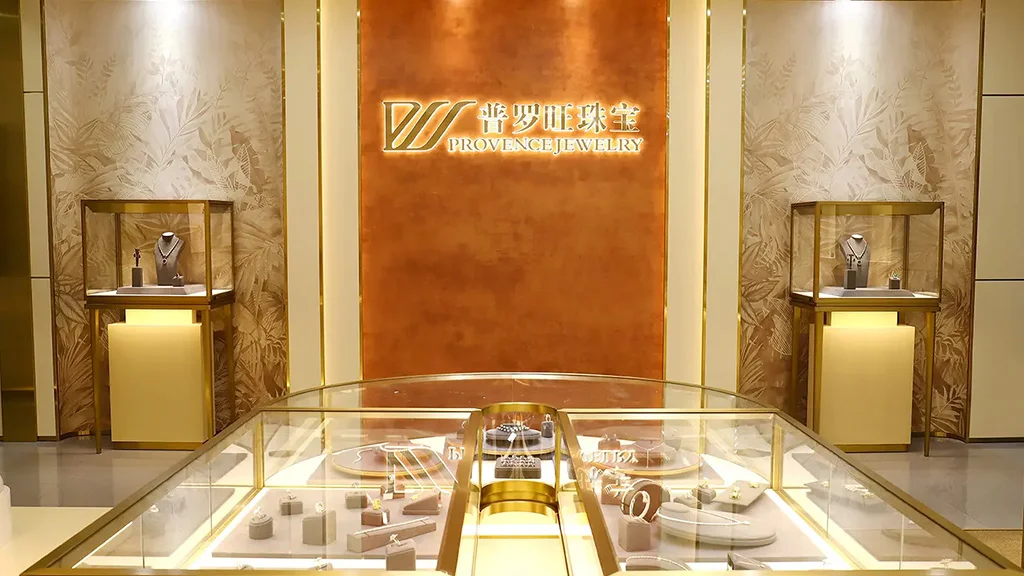
Jewelry is a category people buy with their eyes before they buy with logic. Your visual strategy needs three layers, not one:
- Studio product photography — clean, consistent, true-to-color across every listing (this is non-negotiable for return rates as much as for marketing).
- Lifestyle and UGC content — real people wearing the pieces in real settings; this is what actually drives Instagram and TikTok engagement, far more than studio shots.
- Process and provenance content — behind-the-scenes footage of craftsmanship, sourcing, and quality checks, which builds the trust that closes higher-ticket purchases.
For brands without an in-house studio, first-party factory photography from a manufacturing partner is worth prioritizing over AI-generated imagery wherever trust and authenticity are the point — save AI generation for concept boards, seasonal campaign mockups, or content where photorealism isn't the selling point.
4. The Channel Playbook — With Real Cost Context
Every channel works differently depending on price point and market. Below is a realistic starting-point framework, not a guarantee — actual CAC varies by niche, creative quality, and competition.
|
Channel |
Best For |
Typical CAC |
|
|---|---|---|---|
|
Instagram/TikTok organic |
Brand awareness, UGC |
Low (time cost) |
|
|
Meta paid ads |
Retargeting, gifting seasons |
$25–$60 |
|
|
Email/SMS |
Repeat purchase, VIP drops |
$5–$15 |
|
|
Influencer/affiliate |
Trust-building, niche reach |
Varies (10–20% commission typical) |
|
|
|
Wedding/engagement intent |
Low–moderate |
Lower in UK/EU, smaller user base |
A few notes worth acting on rather than skimming:
- Pinterest is under-used by jewelry brands relative to its intent quality — users search "engagement ring inspiration" the way they'd search Google, with high purchase intent attached.
- Email/SMS consistently produces the best ROI of any channel in this list, yet is usually the most under-resourced. A well-timed abandoned-cart or restock flow alone can outperform a month of paid social spend.
- UK and EU paid CPMs are generally lower than the US, but conversion windows are often longer — budget campaigns accordingly rather than judging performance on US-market timelines.
5. Compliance-Aware Marketing: The Section Almost No Guide Includes
This is the part of jewelry marketing that gets skipped by agencies that haven't worked on the manufacturing side — and it's exactly where brands get into trouble, or lose customer trust when a competitor calls out a misleading claim.
Regional rules that directly affect your marketing copy
United States — FTC Jewelry Guides: govern how you can describe metal purity, gemstone treatments, and "lab-grown" vs. "natural" claims in ads and listings. Misusing "gold" for gold-plated pieces is a common, easily avoidable violation.
United Kingdom — Hallmarking Act 1973: items over set weight thresholds legally require UK hallmarking before certain precious-metal claims can be marketed; this affects both product pages and ad copy.
European Union — REACH Annex XVII, Entry 27: restricts nickel release in items with prolonged skin contact, which affects both product formulation and any "hypoallergenic" marketing claims — those claims need to be substantiated, not just used as a selling point.
None of this needs to feel legalistic in your content. A short, plainly-written "Our Materials & Standards" section — referencing the relevant standard per market — does double duty: it keeps your claims defensible and it reads as expertise, which is exactly the kind of signal that builds buyer trust and performs well with search engines evaluating E-E-A-T.
6. Don't Forget the B2B Side: Marketing to Retailers and Brand Partners
Almost every jewelry marketing guide online is written exclusively for B2C. If you manufacture, wholesale, or work with retail partners, that's a real gap — and a real opportunity, since your buyers there are found through entirely different channels.
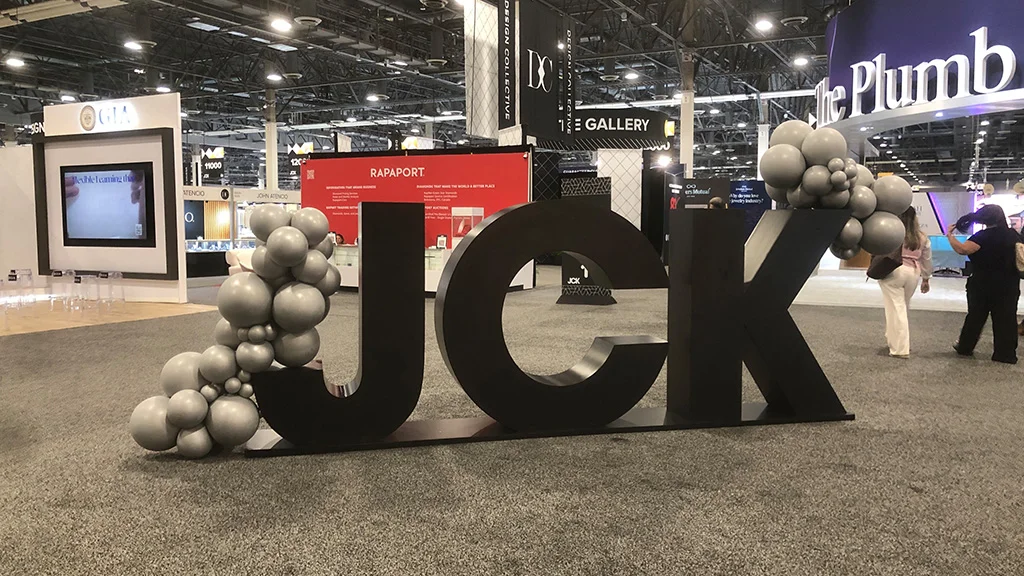
- Trade show presence (JCK Las Vegas and regional equivalents) remains one of the highest-trust channels for landing new retail and brand partnerships — treat your booth and line sheets as marketing assets, not just sales collateral.
- A clear, browsable wholesale ordering portal reduces friction for boutique buyers who are comparing multiple manufacturers at once.
- Co-marketing with retail partners — shared content, joint email features, in-store point-of-sale material — extends your reach into audiences you can't reach directly.
If your website only has one CTA ("Shop Now"), you're funneling B2B-intent visitors — buyers, boutique owners, brand founders — into a consumer checkout flow that isn't built for them. A separate, clearly labeled wholesale inquiry path captures leads that a single CTA quietly loses.
7. Website and Conversion Basics That Undercut Everything Else If Ignored
No amount of content or ad spend fixes a site that doesn't convert. The essentials, in order of impact:
- Fast load times and mobile-first layout — jewelry browsing skews heavily toward mobile, especially from social traffic.
- Transparent pricing in the visitor's local currency (USD/GBP/EUR) — forcing a mental conversion at checkout is a quiet but real source of cart abandonment.
- Clear sizing, care, and return information on every product page — the top reason for jewelry return disputes is unclear expectations set at the point of sale.
- Trust signals near the buy button — certifications, hallmarking info, reviews — placed where the buyer is actually making the decision, not buried in a footer page.
Putting It Together
The brands winning in jewelry marketing right now aren't necessarily out-spending competitors — they're building on a foundation the others skip: real region-specific personas, visual content backed by genuine provenance, a channel strategy with honest cost expectations, compliance-aware claims that double as trust signals, and a B2B track that most guides forget exists entirely.
If you're building or refining a jewelry brand's marketing plan — whether you're a retailer sourcing product or a manufacturer's partner — that combination is the actual differentiator. Everything else is execution detail.
Frequently Asked Questions
Prioritize the highest-ROI, lowest-cost channels first: organic social content built around real customer photos, and an email/SMS flow for abandoned carts and repeat buyers. Paid ads amplify a working funnel — they rarely fix a broken one.
There isn't a single best channel — the strongest results come from combining trust-building content (provenance, craftsmanship, compliance-backed claims) with consistent presence on the two or three channels your specific persona actually uses, rather than spreading thin across every platform.
Yes. Currency display, seasonal timing, regulatory claims (hallmarking, nickel content, metal-purity language), and even preferred channels shift meaningfully across these markets. Treating them identically is one of the most common reasons international jewelry marketing underperforms.
Provence Jewellery designs and manufactures fine jewelry for retail and wholesale partners across the US, UK, and EU. Explore our collections, or connect with our team about wholesale and private-label partnerships.