
What is August Birthstone? Meaning & Color Guide
- Written by Provence Team
- Updated on August 18, 2026
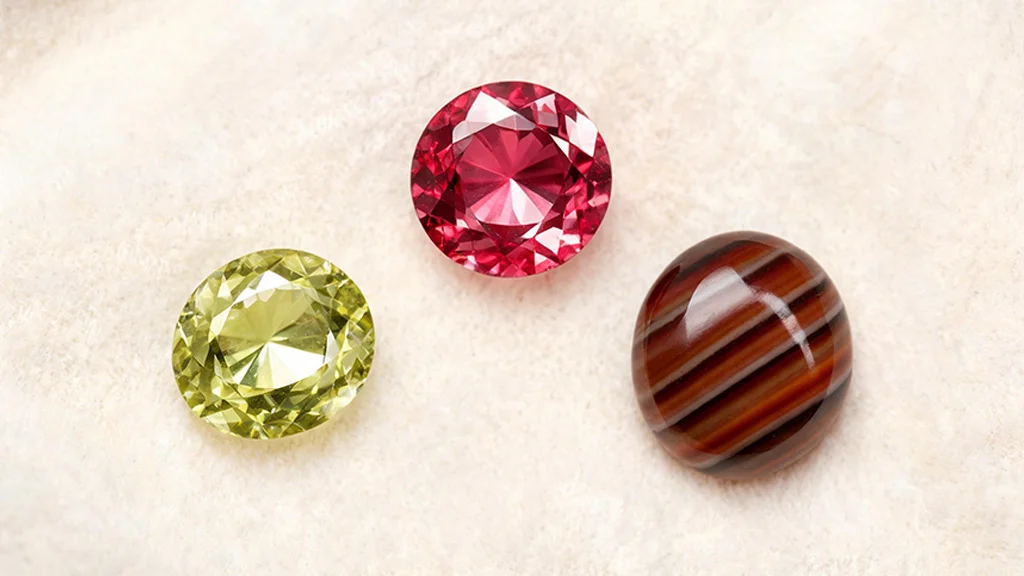
Table of Contents
If you're born in August, you're one of the lucky few with not one but three official birthstones to choose from: peridot, spinel, and sardonyx. Peridot is the primary and most recognized August birthstone, prized for its vivid yellow-green glow — but spinel and sardonyx each carry their own rich history, symbolism, and style.
Whether you're shopping for a birthday gift, an anniversary present, or simply curious about the stone tied to your birth month, here's everything you need to know.
Why Does August Have Three Birthstones?
Unlike months with a single, uncontested birthstone, August's list grew over time — a pattern also seen in June and December.
- Sardonyx is the original August birthstone, used in jewelry and seals for more than 4,000 years, long before any official birthstone list existed.
- Peridot became August's primary birthstone in 1912, when the American National Retail Jewelers Association (now Jewelers of America) published the first official U.S. birthstone list.
- Spinel was added in 2016 by the American Gem Trade Association, giving August-born jewelry lovers a third, more colorful option — particularly relevant now that spinel has finally shed its centuries-old reputation as "the gem mistaken for ruby."
It's worth noting that birthstone lists vary slightly by country. Some traditional or astrological lists differ, so you may see slightly different stones referenced depending on the source.
Peridot: The Primary August Birthstone
Meaning and History
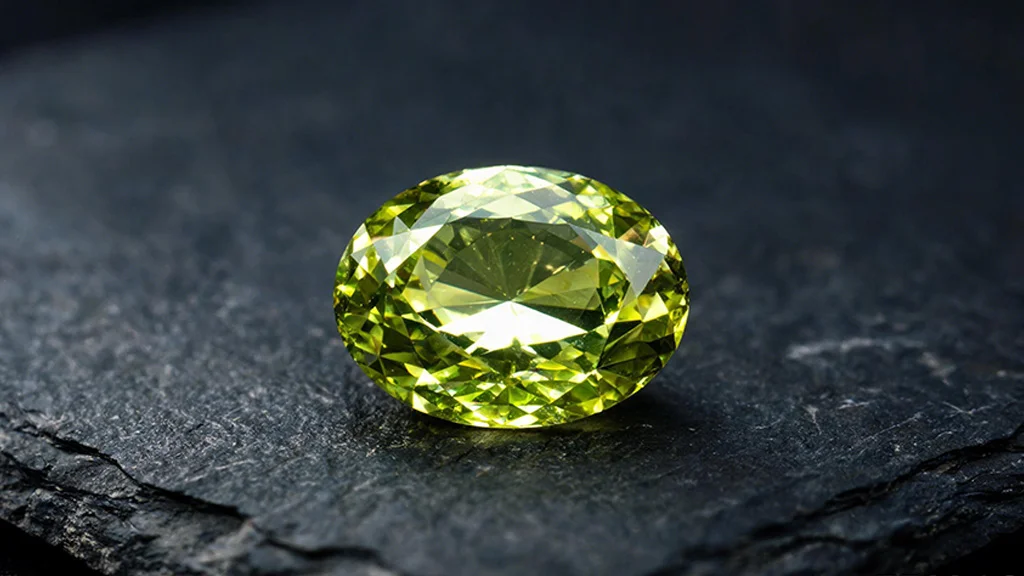
Peridot is the gem variety of the mineral olivine, and it's one of the oldest gemstones known to history. Ancient Egyptians mined it on the Red Sea island of Zabargad (once called Topazios) as early as 1500 BCE and called it the "gem of the sun." Some historians believe Cleopatra's famed "emerald" collection may actually have been peridot — the two stones were confused for centuries.
Peridot has also turned up in unexpected places: it's been found in pallasite meteorites and even identified on Mars and the Moon, giving it a rare, literal connection to outer space.
Throughout the medieval period, European churches used peridot to decorate reliquaries and vestments — the Shrine of the Three Holy Kings in Germany's Cologne Cathedral is set with 200 carats of what were long believed to be emeralds but are, in fact, peridot.
August Birthstone Color
Peridot is one of the only gemstones that occurs naturally in just a single color family. Its green comes from iron within the crystal structure itself (not trace impurities, as with emerald or ruby), which is why the color is so stable — it won't fade with light exposure over time.
Common peridot tones include:
- Yellow-green — lighter stones with lower iron content
- Olive green — the classic, most common mid-tone
- Deep/brown-green — richer, more saturated stones
- "Evening emerald" — a trade term for the most vivid, pure-green peridot with little to no yellow or brown tint, prized by the Ancient Romans for looking just as vibrant by candlelight as in daylight
Where Peridot Is Found
While peridot's most historic source is Zabargad in the Red Sea, most peridot in jewelry today comes from:
- Arizona, USA — the largest modern source, with material mined on the San Carlos Apache Reservation
- Myanmar — the Mogok Stone Tract produces peridot with deep color and strong clarity
- Pakistan and China — increasingly important commercial sources
- Meteorites — a small but genuine source, making peridot the only gem regularly found extraterrestrially
Symbolism
Peridot has long been associated with:
- Renewal and growth — tied to its volcanic, "born of fire" origin story
- Protection — ancient warriors and sailors carried it as a talisman against evil spirits and "terrors of the night"
- Prosperity and abundance — its green color linked it to wealth and growth across many cultures
- Harmony in relationships — a reason it remains a popular 16th-anniversary gift
Care and Durability
At 6.5–7 on the Mohs scale, peridot is durable enough for regular wear but softer than sapphire or diamond. A few care basics:
- Avoid steam or ultrasonic cleaners — peridot is vulnerable to thermal shock
- Clean with a soft-bristle brush, mild dish soap, and warm water
- Store separately from harder gems to prevent scratching
- Avoid prolonged contact with acids, including acidic perspiration
Spinel: August's Underrated Second Stone
Meaning and History
Spinel spent centuries living in the shadow of ruby — quite literally. Some of history's most famous "rubies" have turned out to be red spinel, including the roughly 170-carat Black Prince's Ruby, now set in the British Imperial State Crown above the Cullinan II diamond. It wasn't until the 18th century that gemologists could reliably distinguish spinel from ruby based on chemical composition.
The name "spinel" comes from the Latin spina ("thorn"), a nod to the pointed shape of its natural crystals.
Color Range
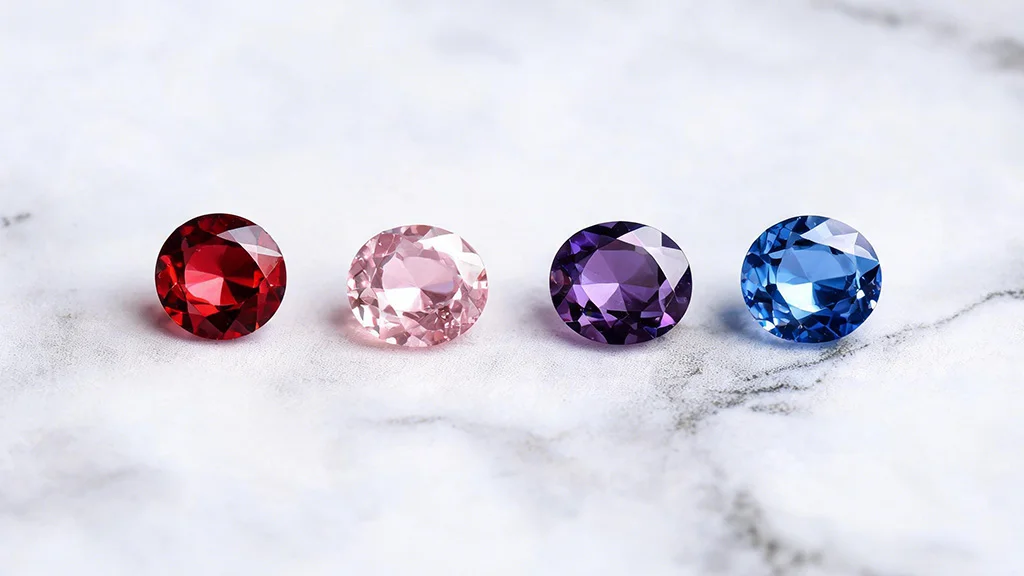
This is where spinel truly sets itself apart from peridot and sardonyx: it occurs in an unusually wide color range, including:
- Vivid red (historically mistaken for ruby)
- Hot pink and vibrant pink
- Purple and violet
- Blue and blue-violet
- Orange
This range makes spinel one of the most versatile birthstone options for August — there's a shade for nearly any jewelry style or metal pairing.
Where Spinel Is Found
Major sources include Myanmar (Mogok Stone Tract and Man Sin), Tajikistan, Sri Lanka, Vietnam (Luc Yen region), and Tanzania, where a notable 2007 discovery of pinkish-red spinel drew significant attention from collectors.
Why It's a Smart Modern Choice
At 8 on the Mohs scale, spinel is significantly more durable than peridot or sardonyx — closer to sapphire — making it an excellent option for rings and everyday wear. It's also generally more affordable than ruby or sapphire while offering comparable brilliance and color saturation, which has made it increasingly popular as an ethical, budget-conscious alternative in fine jewelry. Spinel is the traditional gift for a 22nd wedding anniversary.
Sardonyx: The Original August Birthstone
Meaning and History
Before peridot or spinel entered the picture, sardonyx was August's birthstone — with a documented history stretching back more than 4,000 years. Sardonyx is a banded variety of chalcedony (a form of cryptocrystalline quartz), combining reddish-brown "sard" with white or black "onyx" layers.
Ancient Romans prized sardonyx for seals and signet rings because hot wax famously wouldn't stick to it. Roman soldiers also wore sardonyx rings carved with the image of Mars for protection in battle, and the stone is believed to be one of the twelve gems described in the High Priest's breastplate in the Old Testament.
Symbolism
Sardonyx is traditionally associated with:
- Courage and strength — a favorite among soldiers and leaders throughout antiquity
- Clear communication — believed to help the wearer speak with confidence and honesty
- Stability in relationships and partnerships
Modern Use
Because of its natural banding, sardonyx has long been prized as a carving material — particularly for cameos and intaglios, a tradition still visible in antique and vintage jewelry today. It remains a distinctive, conversation-starting choice for anyone who wants an August birthstone with visible texture and history rather than a single uniform color.
Care
Sardonyx sits at 6.5–7 on the Mohs scale. Because it's commonly dyed to enhance its banding, avoid high heat (including during jewelry repair) and opt for gentle cleaning with warm, soapy water rather than ultrasonic cleaners.
Peridot vs. Spinel vs. Sardonyx: Quick Comparison
|
Peridot |
Spinel |
Sardonyx |
|
|---|---|---|---|
|
Color |
Yellow-green to olive |
Red, pink, purple, blue, orange |
Reddish-brown banded with white |
|
Hardness (Mohs) |
6.5–7 |
8 |
6.5–7 |
|
Rarity |
Widely available |
Fine color increasingly rare |
Widely available |
|
Typical price |
Affordable ($25–$500/carat depending on quality) |
Moderate to premium for fine color |
Very affordable |
|
Best for |
Everyday jewelry, statement color |
Rings, durable daily wear |
Vintage-style pieces, cameos, carvings |
|
Historical status |
Official primary birthstone (since 1912) |
Newest addition (since 2016) |
Original ancient birthstone |
What Zodiac Sign and Anniversary Is the August Birthstone For?
Peridot is traditionally associated with Libra, prized for encouraging balance and harmony — themes that echo the sign's own symbolism, even though Libra's dates fall mostly in September and October. Peridot is also the accepted gift for a 16th wedding anniversary, while spinel marks a 22nd anniversary, making both stones meaningful beyond birthdays alone.
How to Choose the Right August Birthstone Jewelry
Because peridot, spinel, and sardonyx each behave differently, the right choice depends on how the piece will be worn:
- For daily wear (rings especially): Spinel's higher hardness (8 on the Mohs scale) makes it more resistant to everyday scratches and knocks than peridot or sardonyx.
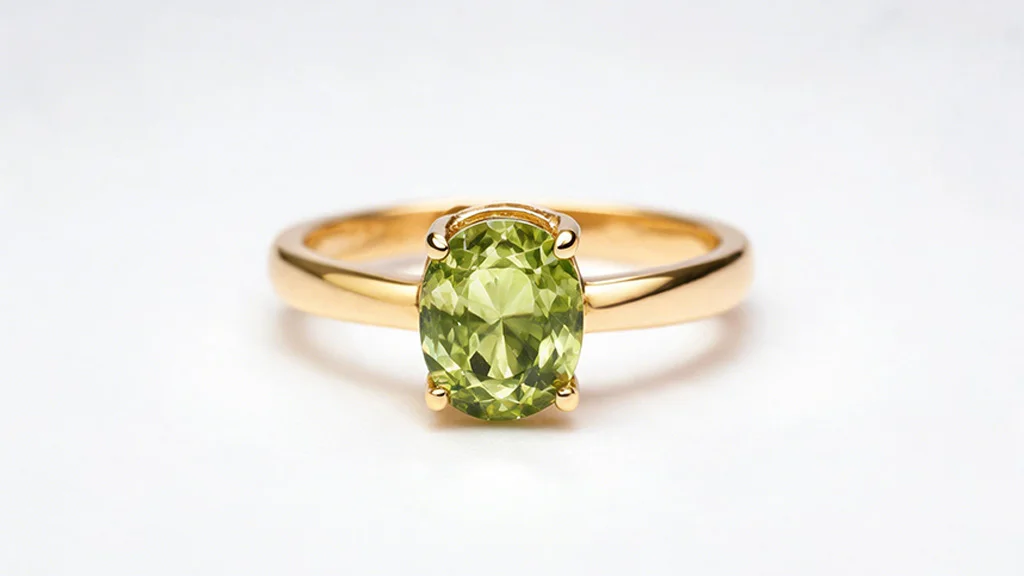
- For color-matching a wardrobe or metal tone: Spinel's wide color range pairs well with both warm and cool metals; peridot's green works beautifully against yellow gold and rose gold; sardonyx's earthy banding suits vintage-inspired or mixed-metal designs.
- Natural vs. lab-grown: Peridot is not currently produced synthetically at commercial scale, so nearly all peridot on the market is natural. Spinel, on the other hand, is available in both natural and lab-grown forms — lab-grown spinel offers a more budget-friendly, ethically transparent alternative without sacrificing color or durability.
- Cut and setting: Peridot and spinel are typically faceted to maximize brilliance (oval, cushion, and emerald cuts are common), while sardonyx is more often cut as a cabochon or carved for cameos, since its value lies in the banding pattern rather than facets.
- Certification: For larger or higher-value stones, look for grading or identification documentation confirming the gem's origin and treatment history — particularly important for spinel, given its long history of misidentification.
Beyond Birthdays: When Else to Gift an August Birthstone
August birthstone jewelry isn't just for August birthdays. Consider it for:
- Anniversaries — 16th (peridot) or 22nd (spinel)
- New milestones — promotions, graduations, or a "push present" to celebrate a new baby
- Mother's Day — a birthstone charm or pendant representing a child born in August
- Any occasion calling for a meaningful, symbolic gift — peridot's ties to renewal and spinel's ties to strength make both fitting choices for celebrating a fresh start
Frequently Asked Questions
August has three official birthstones: peridot (the primary stone), spinel, and sardonyx.
Sardonyx is the original ancient birthstone for August. Peridot became the primary birthstone in 1912 when the first official U.S. birthstone list was published, and spinel was added in 2016 to give August a wider range of color options.
Peridot ranges from yellow-green to deep olive green. Spinel comes in red, pink, purple, blue, and orange. Sardonyx is reddish-brown banded with white or black.
No — peridot is one of the more affordable gemstones. Smaller stones typically run $25–$50 per carat, while larger or higher-quality stones can reach $100–$500 per carat.
Yes, with care. At 6.5–7 on the Mohs scale, peridot can be worn daily but should avoid extreme temperature changes, harsh chemicals, and ultrasonic cleaning.
Peridot is a single-color green gem formed in the Earth's mantle; spinel is a multi-colored, harder gem historically confused with ruby; sardonyx is a banded, earth-toned stone traditionally used for carving and seals.
Spinel is its own genuine gemstone species, not a synthetic substitute for another stone. It was simply misidentified as ruby for centuries due to its similar red coloring.
Peridot is traditionally linked to Libra, valued for its associations with balance and harmony.
Peridot is the traditional gift for a 16th wedding anniversary; spinel marks a 22nd anniversary.
 English