
The Complete Guide to Matching Jewelry for Skin Tone
- Written by Provence Team
- Updated on August 19, 2026
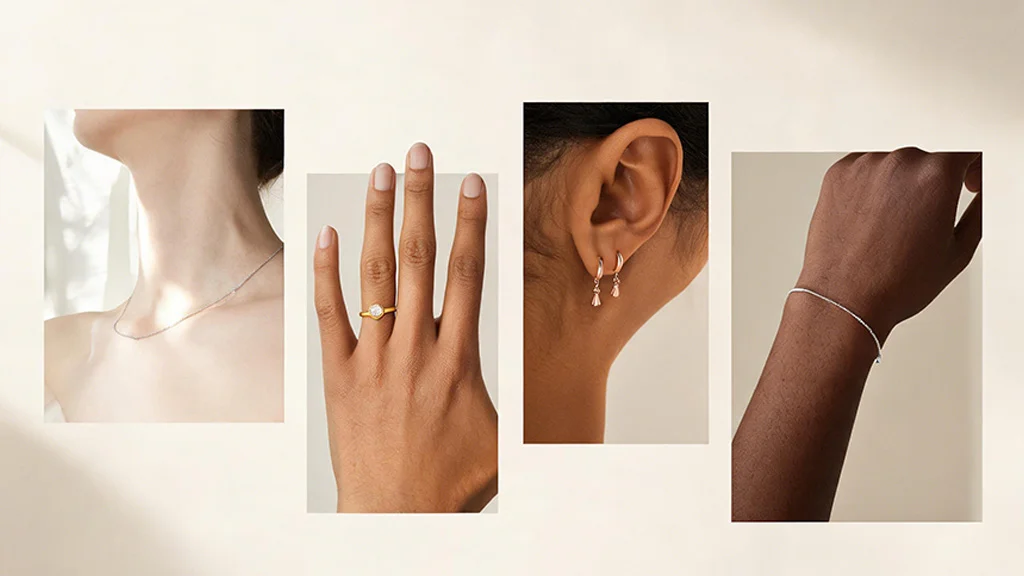
Table of Contents
Choosing jewelry that flatters you isn't about trends — it's about understanding your own coloring. The right metal and gemstone combination can make your skin glow, your eyes pop, and a piece feel like it was made for you. The wrong combination can leave even a beautifully crafted piece looking flat.
Most guides stop at one factor: undertone. But undertone is only part of the story. Your skin's actual depth — how fair or how deep your complexion is — changes how a metal karat or a gemstone saturation reads on you, even within the same undertone group. This guide covers both, plus eye color, hair color, seasonal color theory, and the metal science that a fine jewelry manufacturer sees every day but most blogs never mention.
Quick Answer: What Jewelry Suits My Skin Tone?
|
Undertone |
Skin Depth |
Best Metals |
Best Gemstones |
|---|---|---|---|
|
Cool |
Fair to Light |
Sterling silver, white gold, platinum |
Sapphire, aquamarine, pale amethyst |
|
Cool |
Medium to Deep |
Platinum, palladium, white gold (bright alloy) |
Emerald, deep blue sapphire, tanzanite |
|
Warm |
Fair to Light |
Yellow gold (14k), rose gold |
Citrine, peridot, morganite |
|
Warm |
Medium to Deep |
Yellow gold (18k+), rose gold, copper accents |
Garnet, amber, imperial topaz, ruby |
|
Neutral |
Any |
Mixed metals, rose gold, two-tone pieces |
Nearly all gemstone colors, diamonds, moissanite |
Keep reading for how to identify your own combination — and why depth matters as much as undertone.
Skin Tone vs. Skin Undertone vs. Skin Depth: What's the Difference?
These three terms get used interchangeably, but they describe different things:
- Skin tone is the surface color of your skin — fair, light, medium, tan, deep, or rich deep.
- Skin undertone is the subtle hue beneath the surface — cool, warm, or neutral. It doesn't change with a tan or the season.
- Skin depth is how light or dark your complexion is, independent of undertone. Two people can both have warm undertones — one fair, one deep — and still look best in different karats of gold or different gemstone saturations.
Most jewelry guides only address undertone. That's a good starting point, but it misses half the picture. A pale citrine that glows on fair warm skin can look washed out on deep warm skin, where a richer garnet or amber does more work. This guide treats undertone and depth as two separate dials you can adjust.
You only need one of these three tests to get a reliable answer. If two tests agree, you can be confident in the result.
1. The Vein Test Look at the veins on the inside of your wrist in natural light.
- Blue or purple veins → cool undertone
- Green veins → warm undertone
- A mix of both, or hard to tell → neutral undertone
2. The White Paper Test Hold a plain white sheet of paper next to your face with no makeup on.
- Skin looks pink or rosy against the paper → cool undertone
- Skin looks yellow or golden against the paper → warm undertone
- Neither is obvious → neutral undertone
3. The Sun Reaction Test Think about how your skin responds to sun exposure.
- Burns easily, tans rarely → cool undertone
- Tans easily, rarely burns → warm undertone
- A mix of both → neutral undertone
Best Jewelry by Undertone
Cool Undertones
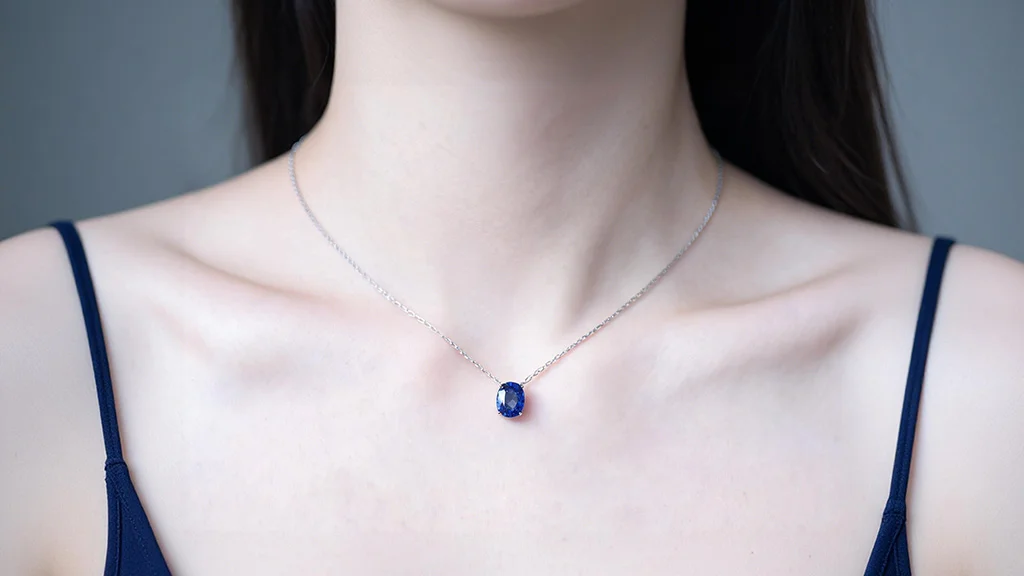
Cool undertones carry pink, red, or blue hues beneath the skin. Cooler-toned metals sit naturally against this coloring rather than fighting it.
Best metals: Sterling silver, white gold (choose a bright white alloy rather than a warmer "creamy" white gold), platinum, palladium.
Best gemstones by category:
- Natural gemstones: sapphire, amethyst, aquamarine, emerald
- Lab-grown diamonds & moissanite: both read exceptionally bright and cool-white against cool skin — a strong pairing for engagement and everyday pieces alike
- Cubic zirconia: a bright, colorless CZ mimics the same cool sparkle at a lower price point, useful for fashion-forward pieces
What to avoid: Yellow gold and copper can look slightly harsh or mismatched against cool undertones unless mixed deliberately with a cooler metal.
Warm Undertones
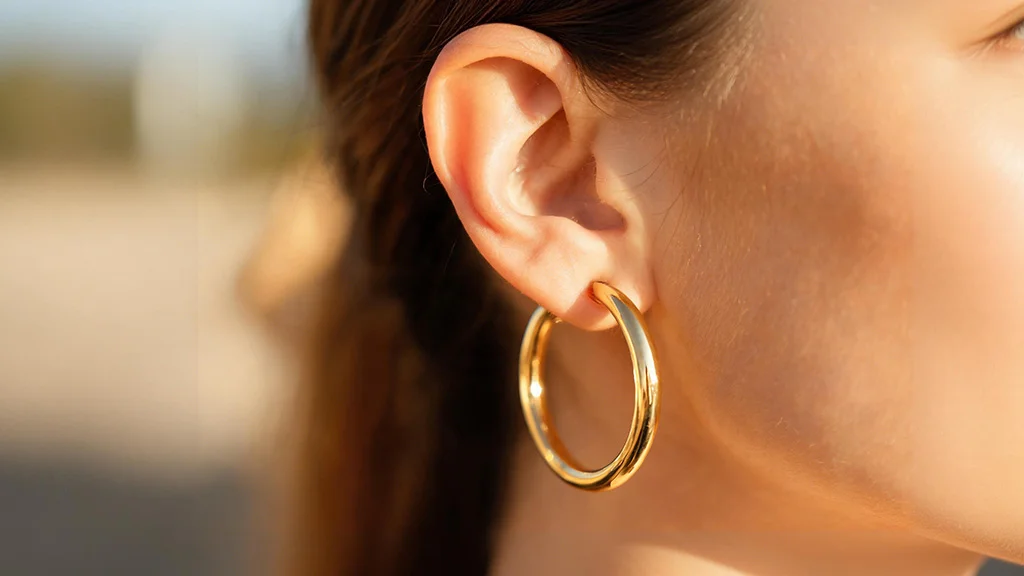
Warm undertones carry golden, peachy, or yellow hues. Gold-family metals amplify this warmth rather than competing with it.
Best metals: Yellow gold, rose gold, warmer white gold alloys, copper accents.
Best gemstones by category:
- Natural gemstones: citrine, garnet, amber, imperial topaz, ruby
- Lab-grown diamonds & moissanite: a warmer-tinted or "champagne" lab diamond, or moissanite with a slight warm cast, blends more naturally than a stark icy-white stone
- Cubic zirconia: pairs well set in yellow or rose gold rather than white metal
What to avoid: Very bright white silver on its own can look stark against warm skin unless balanced with a warm-toned gemstone.
Neutral Undertones
Neutral undertones sit between cool and warm, which means almost anything works.
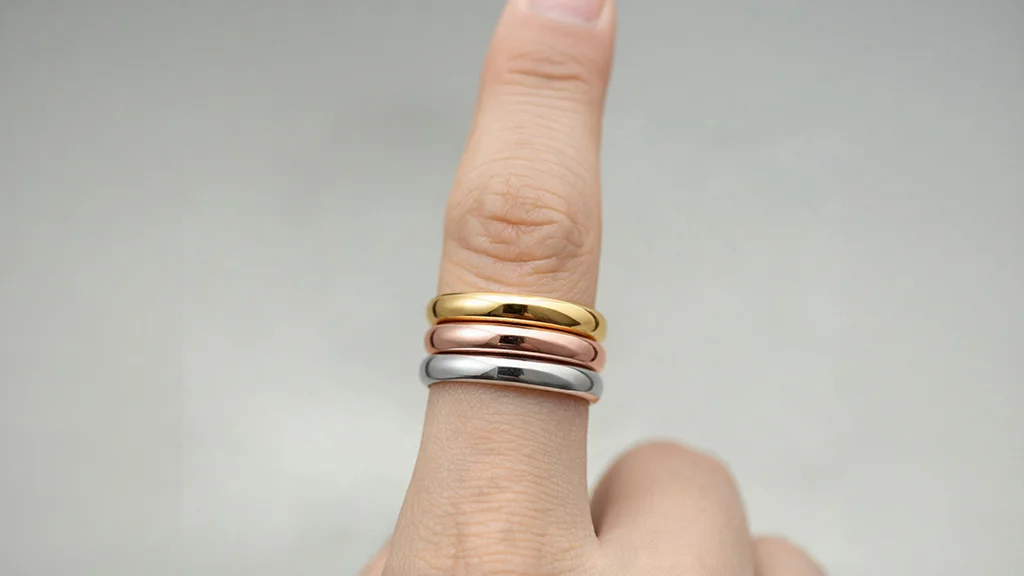
Best metals: All of them — silver, yellow gold, rose gold, platinum. Mixing metals is not just acceptable here, it's often the most flattering option.
Best gemstones by category: Nearly every gemstone color works, from diamonds and moissanite to colored natural stones. Use personal style and outfit coordination as your deciding factor rather than undertone rules.
Jewelry by Skin Tone Depth
Undertone tells you the temperature of your ideal metal and gemstone. Depth tells you the intensity.
Fair to Light Skin Lighter karats (14k) and paler, more delicate gemstone tones tend to read as complementary rather than overpowering. Fine chains, smaller stones, and softer color saturation let the metal and gem stand out clearly against the skin rather than blending in or overwhelming it.
Medium to Olive Skin This is often the most versatile depth range — both warm and cool metals in mid-range saturation work well. Medium gemstone tones (rose-cut sapphires, warm citrines, mid-tone emeralds) sit particularly well here.
Tan to Deep Skin Richer karats (18k yellow gold) and higher-saturation gemstones create the strongest contrast and glow. Deeper reds, ambers, and jewel-toned blues and greens tend to look more intentional than pale pastels, which can appear washed out against deeper complexions.
Rich Deep Skin Bold, saturated color and higher-karat or high-polish metal create the most striking effect. Platinum and bright white gold can look stunning here when polished to a high shine, as can deep-saturation gemstones like emerald, ruby, and tanzanite. Yellow gold at 18k–22k also reads exceptionally rich against deep warm undertones.
Eye Color & Hair Color Pairing
Undertone and depth are the foundation, but eye and hair color can fine-tune your choice further.
By eye color:
- Blue eyes: silver, white gold, and blue or purple gemstones intensify the contrast
- Green or brown eyes: yellow gold and earth-toned or golden gemstones (amber, citrine, peridot) bring out warmth
- Hazel eyes: both silver and gold work — choose gemstone tones that pull out either the green or brown flecks
By hair color:
- Blonde hair: cool blondes suit silver or platinum; warm blondes suit yellow or rose gold
- Brunette hair: warm-toned gold and bronze metals add richness; ruby, garnet, and emerald complement dark hair well
- Black hair: cool metals like silver and platinum create striking contrast; emerald, turquoise, and amethyst pop against dark hair
- Red hair: warm metals — gold, copper, rose gold — enhance natural vibrance; deep green and blue stones like peridot and sapphire pair beautifully
Seasonal Color Theory Quick Reference
If you're familiar with seasonal color analysis, it maps directly onto jewelry choices:
- Spring (warm): yellow gold, pastel gemstones
- Summer (cool): silver, soft blue and rosy pink gemstones
- Autumn (warm): copper, brass, earth-toned gemstones
- Winter (cool): platinum, silver, deep jewel tones
Skin Sensitivity & Hypoallergenic Metals
Undertone and depth matter for how jewelry looks — but for many people, how it feels against the skin matters just as much. Nickel is the most common trigger for metal allergies, and it hides in a surprising number of "silver" and "white gold" alloys.
The most reliably hypoallergenic options are:
- Platinum — naturally hypoallergenic and extremely durable
- Sterling silver (nickel-free) — confirm the alloy is nickel-free, as not all sterling silver is
- Titanium — lightweight, durable, and virtually allergy-free
- Rhodium-plated white gold — the rhodium layer creates a barrier, though it will need replating over time as it wears
For anyone sourcing or manufacturing jewelry at scale, alloy composition and plating thickness make the real difference between a piece that stays comfortable for years and one that causes irritation within months — a detail worth asking about regardless of which brand you buy from.
Two-Tone & Mixed-Metal Jewelry
If your favorite metal doesn't technically match your undertone, you don't have to choose. Two-tone and mixed-metal pieces — a warm gold setting with a cool silver frame, or the reverse — let you wear the metal you love while still keeping a balanced, intentional look. This is especially popular for neutral undertones, but it works for cool and warm undertones too when done thoughtfully.
FAQs
The underlying principles — undertone, depth, and contrast — apply universally, but the range of skin tones a global audience represents is wider than most guides account for. A recommendation built only around fair-to-medium skin will miss what actually flatters deep and rich deep complexions, which is why depth deserves equal weight to undertone.
Skin tone is the visible surface color of your skin. Undertone is the subtle hue underneath it that doesn't change with tanning or seasons. Two people can share a skin tone but have different undertones, or share an undertone but differ in depth.
Yes. These are guidelines for what tends to look most harmonious, not rules. Personal style, confidence, and what you're drawn to matter more than any chart.
Rose gold is one of the most universally flattering metals because its pink hue sits between warm and cool, which is why it works especially well for neutral undertones and blends reasonably well across the spectrum.
Yes. Both come in a range of white tones from icy-cool to warmer champagne casts. A cooler, brighter stone tends to suit cool undertones and fair-to-medium depth, while a warmer-toned stone often blends more naturally with warm undertones and richer depth.
Very fair skin often looks best with finer, lighter-karat pieces that don't overwhelm delicate coloring. Very deep skin tends to carry higher-karat gold and high-polish platinum beautifully, along with more saturated gemstone colors.
Yes — mixing metals is a modern styling choice that works for any undertone, and it's a practical way to wear pieces you love without being limited to one metal family.
Ask your jeweler or manufacturer directly, or look for pieces explicitly labeled nickel-free. This is especially relevant for white gold and silver-tone jewelry, where nickel is most commonly used in the alloy.
Whether your undertone is warm or cool, and whatever depth your complexion sits at, the goal is the same: jewelry that feels like it was made with your coloring in mind. Explore Provence Jewellery's collections across solid gold, lab-grown diamonds, moissanite, and natural gemstones to find pieces suited to your exact tone.