
How to Clean Gold Jewelry: Safe Methods by Karat & Color
- Written by Provence Team
- Updated on September 21, 2026

Table of Contents
Gold holds its value, but it doesn’t always hold its shine. Lotion, sweat, soap film and everyday knocks build up on the surface, and a ring that looked mirror-bright on day one can look tired within weeks. The good news: most gold jewelry cleans up beautifully at home with a bowl, a few drops of dish soap and a soft brush.
The less good news is that a lot of online advice, including toothpaste, vinegar, baking soda and even ammonia, can quietly scratch, strip or weaken the pieces you’re trying to save. As a fine jewelry manufacturer, we polish, clean and inspect gold every day, so this guide sticks to what is safe, explains why, and tells you plainly when a popular method isn’t worth the risk.
Quick answer: how to clean gold jewelry in 5 steps
- Add a few drops of mild dish soap to a bowl of warm (not hot) water.
- Soak your gold jewelry for 10–15 minutes.
- Brush gently with a soft-bristled toothbrush, focusing on clasps, prongs and crevices.
- Rinse under lukewarm running water, with the sink drain closed.
Pat dry with a lint-free or microfiber cloth, then air-dry completely.
Before You Clean: Identify What You Own
Not all “gold” jewelry is built the same, and the right cleaning method depends on what is under the surface. Check the hallmark or stamp (for example 375, 585, 750, 10K, 14K, 18K, GF, GP or vermeil) and use this table. If you’re not sure your piece is solid gold, see our guide on how to tell if gold is real first.
Type | What it is | How to clean it |
Solid gold (9K–24K) | Gold alloy all the way through | Soap soak, soft brush and cloth. The most forgiving type. |
Gold-filled | A thick layer of gold bonded over a base-metal core | Gentle soap and water, short soak, no abrasives. The layer is far thicker than plating but can still wear through. |
Gold vermeil | A thick gold layer over sterling silver | Quick lukewarm wash and soft wipe. No scrubbing: if the gold layer wears through, the silver beneath can tarnish. |
Gold-plated | A very thin gold layer over base metal | Wipe with microfiber; brief wash only if needed. No soaking, abrasives or ultrasonic. See gold filled vs. gold plated. |
White gold | Gold alloyed with white metals, usually rhodium-plated | Soap and water. Avoid abrasion, which wears away the rhodium coating. |
Rose gold | Copper-rich gold alloy | Soap and water, then a soft cloth. Can develop a slightly deeper tone with age. |
Also check for gemstones, glued or antique settings and hollow construction. These change what is safe, and we cover them in the gemstone table below.
Why Gold Gets Dull (and What “Tarnish” Really Means)
Pure gold does not tarnish, rust or oxidize. But almost all jewelry uses gold alloys, meaning gold mixed with metals such as copper, silver, zinc, nickel or palladium for strength. Those other metals can react with moisture, sulfur compounds in the air and skin chemistry.
Much of what looks like tarnish is actually a film: skin oils, lotion, soap scum, hard-water minerals and cosmetics sitting on the surface. Add the fine scratches of daily wear, which scatter light, and polished gold starts to look flat rather than bright. That’s good news, because a film can be washed off.
Karat | Gold content | Tarnish tendency | Note |
24K | 99.9% | None | Very soft; rarely used for everyday pieces |
22K | 91.7% | Very low | Rich color, soft, scratches easily |
18K | 75% | Low | Popular for fine jewelry (also stamped 750) |
14K | 58.3% | Low to moderate | A strong balance of durability and value |
10K | 41.7% | Moderate | Harder-wearing, more alloy metal |
9K | 37.5% | Moderate to higher | Can darken faster in humid conditions |
Everyday culprits include:
- Lotion, sunscreen and makeup, which leave oily films that attract dirt
- Perfume and hairspray, which leave sticky residue and can react with alloys
- Sweat and body oils, especially during exercise or in hot weather
- Soap and hard water, which leave a cloudy mineral film
- Chlorine and salt water, which are harsh on alloys and solder joints
- Humidity and sulfur compounds, which speed up darkening in lower-karat gold
What You’ll Need
- A small bowl (glass or plastic)
- Mild, fragrance-free dish soap
- A soft-bristled toothbrush, baby toothbrush or soft makeup brush (kept just for jewelry)
- A microfiber or lint-free cloth
- A jewelry polishing cloth (optional)
- A small fine-mesh strainer for chains (optional)
- A towel to line the sink or work surface
Method 1: The Soap-and-Water Deep Clean
This is the method we recommend for almost all solid gold jewelry, and the gentlest safe way to deep clean the rest.
- Prepare your workspace.Close the sink drain and lay a towel in the basin. It protects against scratches and stops small pieces disappearing down the drain.
- Mix the solution.Fill a bowl with warm water, around 40°C (104°F) or cooler, and add a few drops of mild dish soap. Hot water isn’t needed and can stress glued or delicate settings.
- Soak for 10–15 minutes.Heavy buildup can take up to 20 minutes. Soak pieces separately so they don’t rub against each other.
- Brush gently.Use small circles and focus on clasps, behind stones, under prongs and inside engravings. If dirt remains, soak longer instead of pressing harder.
- Rinse thoroughly.Use lukewarm running water until the soap film is gone. Leftover soap dulls gold as much as the dirt did.
- Dry completely.Pat with a lint-free cloth, then air-dry before storing or wearing. Pay extra attention to clasps, hinges and chain links, where moisture hides.
Method 2: Polishing Cloth for Quick Touch-Ups
A jewelry polishing cloth is ideal between washes, when gold looks dull or fingerprinted but isn’t truly dirty. Rub lightly along the surface with light pressure, and keep the cloth stored separately so grit can’t collect in it.
Polishing cloths contain fine polishing compound, so use them sparingly on white gold and avoid them on plated pieces. For plated jewelry, a plain microfiber cloth is safer.
Method 3: Jewelry Cleaners and Ultrasonic Machines
Commercial cleaning dips can help with heavier buildup. Choose one labeled safe for gold and for every gemstone in your piece, follow the timing on the label, and rinse well. Skip them for plated pieces and porous stones.
Ultrasonic cleaners are effective, but GIA cautions that not all gems and jewelry can be safely cleaned in them, including stones whose surface-reaching fractures have been filled.
Generally safe for | Avoid for |
Solid gold with no stones or with securely set stones | Pearls, opal, emerald, turquoise, coral and amber |
Diamonds (natural and lab-grown) in secure settings | Fracture-filled or treated gemstones |
Moissanite and cubic zirconia in secure settings | Loose stones, glued settings and antique pieces |
Plain solid gold chains and bands | Gold-plated, vermeil or hollow pieces |
Steam cleaning is something jewelers do with professional equipment. Heat and pressure can loosen settings, so we recommend leaving it to a professional.
How to Clean Each Type of Gold Jewelry
Gold chains and necklaces
Soak, then brush lightly along the links, paying attention to the clasp. For fine chains, place them in a small mesh strainer and rinse under running water so nothing is lost or tangled. If a knot forms in soapy water, tease it loose gently with your fingertips instead of pulling. Dry flat on a towel to avoid kinks.
Rings with or without stones
Most of a ring’s lost sparkle comes from grease trapped underneath the stone, where lotion and soap collect. Brush the underside of the setting carefully. Before you finish, hold the ring near your ear and tap it gently: a faint rattle can mean a loose stone, and that’s a job for a jeweler.
Earrings
Clean posts and backs too, since skin oils build up there. For hollow hoops or beads, wipe rather than soak. Water can get trapped inside hollow pieces, so dry them very thoroughly.
Bracelets and bangles
Treat them like chains. Rinse and dry hinges and clasps carefully, and check that safety catches close securely.
Gold-plated, vermeil and gold-filled jewelry
Wipe with a soft microfiber cloth after each wear. If it needs a wash, use lukewarm water with a tiny amount of mild soap, keep it brief, and dry immediately. Skip abrasive pastes, polishing compounds, dips and ultrasonic machines, all of which can wear through the gold layer.
White gold
Clean it like solid gold, but avoid anything abrasive. White gold is usually coated with rhodium for its bright white finish. Over the years that coating can wear thin, leaving a slightly warmer tint. Cleaning won’t fix that; a jeweler can re-plate the piece. See our comparison of white gold vs. platinum and whether white gold tarnishes.
Rose gold
Soap and water and a soft cloth are all you need. Because rose gold contains more copper, it can develop a slightly deeper tone over time. That is natural, not damage.
Cleaning Gold Jewelry with Gemstones
Stone | Soap & water | Ultrasonic | Notes |
Diamond (natural or lab-grown) | Yes | Usually, if secure | Attracts grease; brush the underside |
Moissanite | Yes | Usually, if secure | Very durable |
Cubic zirconia | Yes | Usually, if secure | Wipe rather than soak if glue-set |
Sapphire and ruby | Yes | Only if untreated and secure | Ask whether stones are fracture-filled |
Emerald | Brief wipe | No | Often treated with oils or fillers |
Pearl | Damp cloth only | No | Sensitive to acids, alcohol and soap residue |
Opal | Damp cloth only | No | Water-sensitive; can crack |
Turquoise, coral, amber | Damp cloth only | No | Porous and easily damaged |
Cleaning Methods to Avoid (and Why)
You’ll find plenty of conflicting advice online. Some guides recommend baking soda paste or a diluted ammonia soak, while others warn against them. Here is our position, and the reasoning behind it.
Method | Why people try it | The risk |
Toothpaste | It’s abrasive, so it seems to polish | Abrasive particles leave micro-scratches on polished gold and strip plating |
Baking soda paste | Mild abrasive lifts grime | Repeated rubbing dulls polished surfaces and wears plating. If you use it at all, keep it rare, on plain solid gold only, and rinse thoroughly |
Vinegar or lemon juice | Acid dissolves tarnish | Acids can attack the non-gold metals in alloys, solder joints and plating, and damage pearls and soft stones |
Ammonia solutions | Strong degreaser | Irritating fumes, can affect some alloys and finishes, and dangerous if mixed with bleach. Not worth the risk at home |
Bleach or chlorine | Disinfects | Can damage alloys and solder joints, causing discoloration and weakness with repeated exposure |
Boiling water | Heat loosens grime | Thermal shock can loosen stones and glued parts, and harms plated pieces |
Cola or ketchup | Acidic household hacks | Sticky, acidic and no better than soap |
Paper towels, rough sponges, hard brushes | Convenient | Gold is soft; these leave fine scratches |
Salt and aluminum foil | A well-known silver trick | Designed for silver tarnish, not gold, and unsuitable for pieces with stones or plating |
If your gold does come into contact with bleach or chlorine, rinse it right away with lukewarm water, pat it dry, and have a jeweler check it if you see any discoloration.
Troubleshooting: What’s Wrong with My Gold?
Symptom | Likely cause | What to do |
Dull, cloudy film | Lotion, soap or hard-water residue | Soap soak and soft brush; rinse thoroughly |
Dark spots on lower-karat gold | Alloy reacting with moisture or sulfur | Wash, then polishing cloth; see a jeweler if it returns; improve storage |
Green marks on skin | Copper or base metal in a lower-karat alloy or worn plating reacting with sweat and products | Clean the piece and your skin; check the karat and plating; consider a higher karat |
Black marks on skin | Fine metal abrasion mixing with cosmetics and sweat | Clean the piece; avoid applying lotion where it touches |
Fine surface scratches | Everyday wear | Light polishing cloth; professional polishing for deeper marks |
Warmer tint on white gold | Rhodium plating wearing thin | Professional re-plating |
Coppery or silvery patches on plated pieces | Plating worn through | Can’t be cleaned back; re-plate or replace |
Cloudy stone | Grease trapped under the stone | Brush the underside, then rinse |
Rattling stone or loose clasp | Worn prongs or clasp | Stop cleaning and see a jeweler |
How Often Should You Clean Gold Jewelry?
Wear pattern | Quick wipe | Deep clean | Professional check |
Daily wear (rings, bracelets, chains) | After each wear | Every 2–4 weeks | Every 6–12 months |
Occasional wear | After each wear | Every 2–3 months, or before storing | Every 12 months |
Stored or heirloom pieces | Before storing | Before wearing | Every 12 months or before wearing |
Plated, vermeil or gold-filled | After every wear | Only when needed | Re-plate when the finish wears |
When to See a Professional Jeweler
Home cleaning handles dirt, not damage. Book a professional clean and inspection if you notice:
- Tarnish or discoloration that soap and water don’t remove
- Loose, missing or rattling stones, or worn or bent prongs
- A clasp that no longer closes securely, or a stretched or kinked chain
- Deep scratches or dents
- A warm tint on white gold, which may mean the rhodium needs re-plating
- Antique, high-value or sentimental pieces you don’t want to risk
A jeweler can also polish, tighten settings and spot small problems early, before they become expensive repairs.
How to Keep Gold Clean Longer
Wear it wisely
- Put jewelry on last and take it off first: perfume, hairspray, lotion and makeup go on before your jewelry does.
- Let sunscreen dry fully before wearing rings and bracelets.
- Remove gold before swimming, hot tubs, the gym, cleaning, cooking and gardening.
- Wipe pieces with a soft cloth after each wear to remove oils.
Store it well
- Keep pieces separate in soft pouches or compartments so they don’t scratch each other.
- Fasten chains and bracelets to prevent tangling.
- Choose a cool, dry place away from direct sunlight and bathrooms.
- Use anti-tarnish pouches or silica gel packets in humid conditions; avoid sealed plastic bags that trap moisture.
How Gold Jewelry Is Finished, and Why It Affects Care
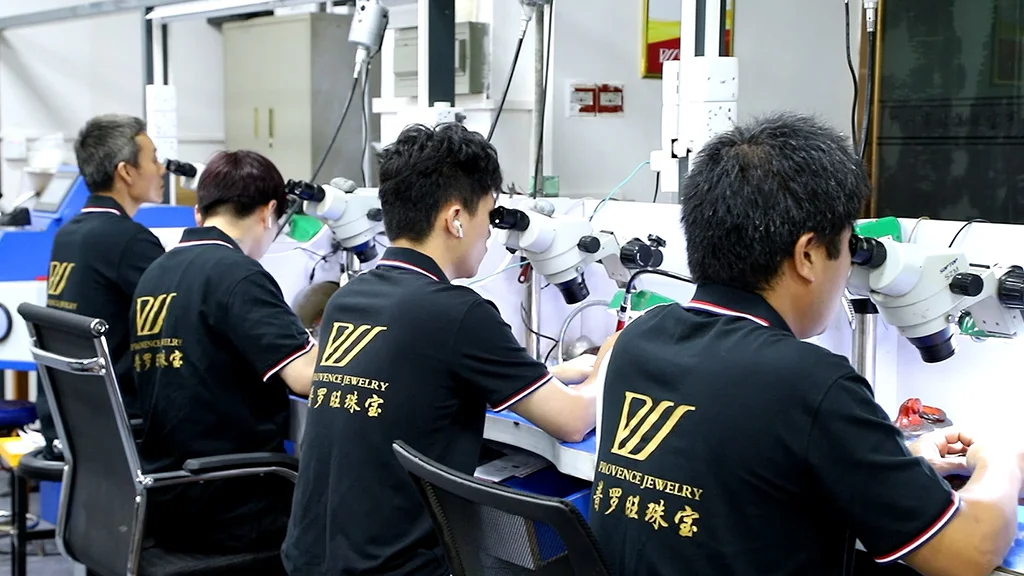
In a jewelry workshop, gold pieces are cleaned at several stages: after casting and stone setting, after polishing, and again during final quality control. This typically combines ultrasonic cleaning, steam and hand polishing.
Seeing jewelry from the bench side highlights a few things that shape how you should care for it:
- Finish matters.A high-polish surface shows scratches more than a satin or brushed one, so mirror-bright pieces need a gentler touch.
- Alloy matters.The metals blended with the gold determine color, hardness and how readily a piece tarnishes.
- Construction matters.Hollow, glued and prong-set pieces each tolerate cleaning differently, which is why we ask you to check before using a machine or a dip.
- Plating thickness matters.Two “gold-plated” pieces can wear very differently, which is why plated jewelry needs the lightest care.
If you’re a brand developing your own gold jewelry line, these choices are yours to specify: alloy, finish, plating and construction. A care card that reflects them makes for happier customers and fewer returns. We’re happy to help you get that right.
Frequently Asked Questions
Warm water, a few drops of mild dish soap and a soft brush. Soak for 10–15 minutes, brush gently, rinse well and dry with a lint-free cloth. This is safe for most solid gold pieces.
We don’t recommend it for regular use. Baking soda is a mild abrasive that can dull polished gold and wear away plating over time. If you use it at all, do so rarely, on plain solid gold only, and rinse thoroughly.
No. Toothpaste contains abrasive particles that scratch gold and strip plating, leaving pieces duller than before.
It’s best avoided. Acids can attack the non-gold metals in alloys, solder joints and plating, and can damage pearls and soft gemstones. Mild soap and water is safer and just as effective.
Wipe with a soft microfiber cloth after wearing. If needed, wash briefly in lukewarm water with a tiny amount of mild soap and dry immediately. Avoid soaking, scrubbing, abrasives and ultrasonic cleaners.
There’s no need. Warm water around 40°C (104°F) or cooler cleans effectively. Hot or boiling water can loosen stones and glued components and damage plated pieces.
Wipe after each wear. Deep clean every 2–4 weeks if you wear it daily, or every 2–3 months for occasional pieces. Have a jeweler inspect it every 6–12 months.
Remove the film with a soap-and-water soak and soft brush, rinse well, then buff gently with a soft or polishing cloth. Deeper scratches need professional polishing.
Final Thoughts
Cleaning gold is simple once you know your piece: identify what you own, use mild soap, warm water and a soft brush, and skip the abrasive and acidic shortcuts. Build a quick wipe into your routine, deep clean every few weeks, and let a jeweler check your favorite pieces once a year. Do that, and your gold will stay bright for a lifetime.