
How to Choose a Jewelry Niche in 2026
- Written by Provence Team
- Updated on August 5, 2026
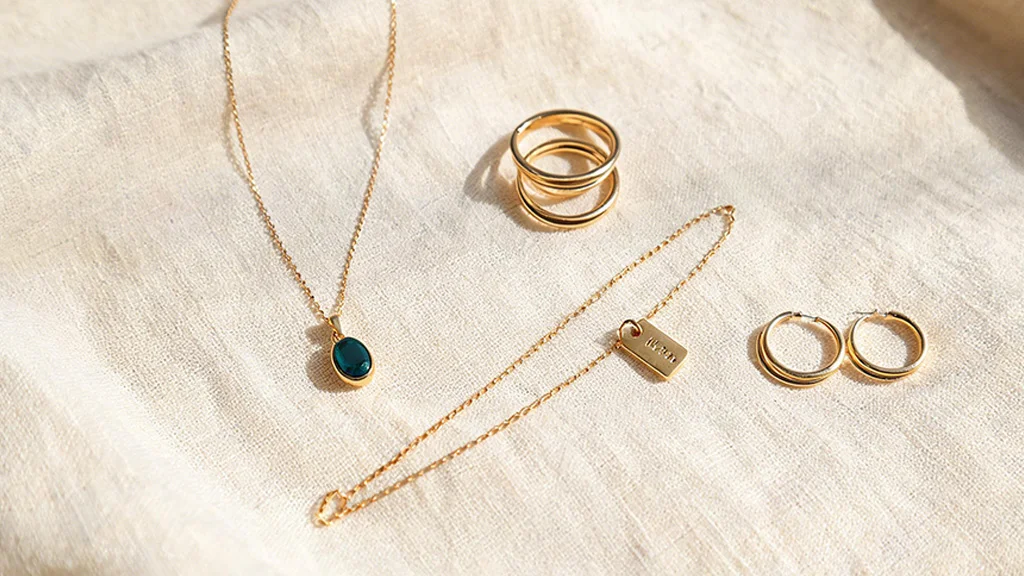
Table of Contents
Every jewelry brand guide tells you the same thing: pick a niche, don't try to sell to everyone. That part isn't wrong — it's just incomplete. What most guides skip is the part that actually determines whether your niche survives past year one: can you source it, price it, and ship it at the quality your customers expect, in the markets you're selling into?
A niche is a marketing decision and a manufacturing decision at the same time. This guide treats it as both — and because Provence Jewellery produces for brands selling into the US, UK, and EU simultaneously, we've built this around a global lens rather than a single-market one, which is the gap in most niche guides currently ranking for this topic.
By the end of this post you'll have:
- A 6-factor scoring model to evaluate any niche before you commit budget to it
- A region-by-region breakdown of which niches perform where, and why
- Nine niches scored and profiled, with material and production notes for each
- A validation checklist to run before you order a single sample
- A clear next step from "niche decided" to "product in hand"
What a Jewelry Niche Actually Is
A jewelry niche is the specific slice of the market your brand exists to serve — defined by some combination of who buys it (audience), why they buy it (occasion or emotion), what it's made of (material), and what it looks like (style). "Jewelry" is not a niche. "Birthstone necklaces for new mothers, in solid gold, sold in the US and UK" is a niche.
Niches matter because jewelry is one of the most saturated product categories in ecommerce. Jewelry is the second-highest-selling category on Etsy by gross merchandise volume, with millions of active listings competing for the same searches. Without a defined niche, a new brand is competing on price and discoverability against sellers who have years of reviews and ad data already banked. With one, a brand competes on relevance instead — which is a fight a small, focused brand can actually win.
Why Trend-Chasing and "Pick Any Popular Niche" Advice Both Fail
Most niche content pushes you toward one of two dead ends.
The trend-chaser's mistake: by the time a style shows up as a spike on Google Trends or a TikTok sound, the early movers already have the reviews, the ad data, and the supplier relationships locked in. You're not entering a growing market — you're entering a price war that's already three months old.
The listicle mistake: "12 profitable niches" articles hand you a list of categories (pet jewelry, cremation jewelry, birthstone jewelry) with no way to evaluate which one actually fits your brand, your budget, or your production capacity. A niche can be emotionally resonant and still be a bad fit if the minimum order quantities don't match your budget, or if 40% of your target market is in a region where that style doesn't sell.
The missing piece in almost every version of this advice is production reality. A niche that requires hand-set natural gemstones in every piece has a completely different cost structure, lead time, and MOQ profile than a niche built on lab-grown diamonds or moissanite in solid gold settings. Choosing a niche without accounting for this is how brands end up promising a story their supply chain can't deliver at a price their customer will pay.
The Niche Fit Framework: 6 Factors to Score Before You Commit
Score each niche you're considering from 1 (weak) to 5 (strong) across these six dimensions. A total above 22 signals a strong candidate; 15–21 is workable but needs sharper positioning; below 15 means reconsider or narrow the niche further.
1. Emotional Story Density How naturally does a story attach to this product, without you having to invent one? Birthstone, memorial, and heritage jewelry score high because the meaning already exists in the customer's life before they find your product. Purely aesthetic niches (a specific plating color, a trending silhouette) score lower because the story has to be manufactured through marketing.
2. Giftability What share of purchases in this niche are gifts rather than self-purchases? Gift-driven niches tolerate higher price points, are less price-sensitive, and map cleanly onto seasonal demand spikes (Mother's Day, Christmas, graduation, Valentine's Day) that you can plan inventory and ad spend around.
3. Repeat Purchase Logic Does the niche naturally lead to a second, third, and fourth purchase — stacking rings, one birthstone per child, seasonal collection drops — or is it a single-purchase category where you have to re-acquire every customer from zero? Repeat logic compounds customer lifetime value and lowers blended acquisition cost over time.
4. Material & Production Fit This is the factor most niche guides skip entirely. Does the niche work with materials you can actually source at your target price and quality — solid gold, lab-grown diamonds, moissanite, cubic zirconia, natural gemstones — at MOQs your budget supports? A fine jewelry niche built on natural, certified gemstones has a fundamentally different cost and lead-time structure than one built on moissanite or CZ in gold vermeil.
5. Global Demand Spread Does the niche sell across your target markets, or is it concentrated in one region? This matters enormously if you're building a brand for US, UK, and EU customers simultaneously — a niche that only resonates in one market limits your total addressable audience and makes your ad targeting less efficient.
6. Returns & Fulfillment Risk Size-dependent products (rings without a sizing tool), heavily personalized items with input-error risk, and high-value pieces with strict expectations all carry structurally higher return rates. Necklaces, earrings, and adjustable bracelets tend to perform better here than rings or fitted pieces.
How Niche Demand Actually Shifts Across the US, UK, and EU
This is the section most competing guides skip, and it's the one that matters most if you're building for a global audience rather than a single market.
United States: Gift-driven and self-purchase-driven demand runs in parallel. Personalized and name jewelry, birthstone jewelry, and demi-fine minimalist pieces all perform strongly, supported by a large influencer-and-DTC ecosystem and major gifting occasions (Mother's Day, graduation season) that US shoppers are primed to buy around. Self-purchase demand for demi-fine and lab-grown diamond pieces has grown noticeably as price points have dropped.
United Kingdom: Similar gift-driven patterns to the US but with a stronger lean toward understated, everyday-wearable pieces and sterling silver/gold-vermeil price points. Sentimental and keepsake jewelry (christenings, milestone birthdays) has a long-standing cultural foothold here that's less pronounced in the US market.
European Union: Minimalist and demi-fine jewelry over-indexes here, particularly in markets like Germany, where consumers show a strong preference for understated design and material transparency (recycled metals, traceable sourcing) over bold statement pieces. Sustainability messaging tends to carry more weight with EU buyers than with US buyers evaluating the same product.
Practical takeaway: a niche like minimalist demi-fine jewelry has genuinely global appeal and is a safer bet for a brand selling across all three regions. A niche like cremation or memorial jewelry is universally high-story-density but converts differently depending on local cultural attitudes toward grief and memorialization — it needs market-specific messaging, not a single global campaign.
9 Jewelry Niches Scored and Profiled for 2026
|
Niche |
Story Density |
Giftability |
Repeat Purchase |
Material/Production Fit |
Global Spread |
Returns Risk (lower=better) |
|---|---|---|---|---|---|---|
|
Birthstone Jewelry |
5 |
5 |
4 |
5 |
4 |
4 |
|
Minimalist / Demi-Fine |
3 |
3 |
5 |
5 |
5 |
5 |
|
Personalized / Name Jewelry |
5 |
5 |
3 |
4 |
4 |
3 |
|
Lab-Grown Diamond Fine Jewelry |
4 |
4 |
3 |
5 |
4 |
4 |
|
Bridal & Stacking Rings |
4 |
4 |
5 |
4 |
4 |
3 |
|
Men's Jewelry |
3 |
4 |
4 |
4 |
4 |
4 |
|
Cultural / Heritage Jewelry |
5 |
3 |
3 |
4 |
3 |
4 |
|
Milestone & Memorial Jewelry |
5 |
4 |
2 |
3 |
3 |
3 |
|
Trend/Statement (seasonal) |
2 |
2 |
2 |
3 |
3 |
3 |
1. Birthstone Jewelry
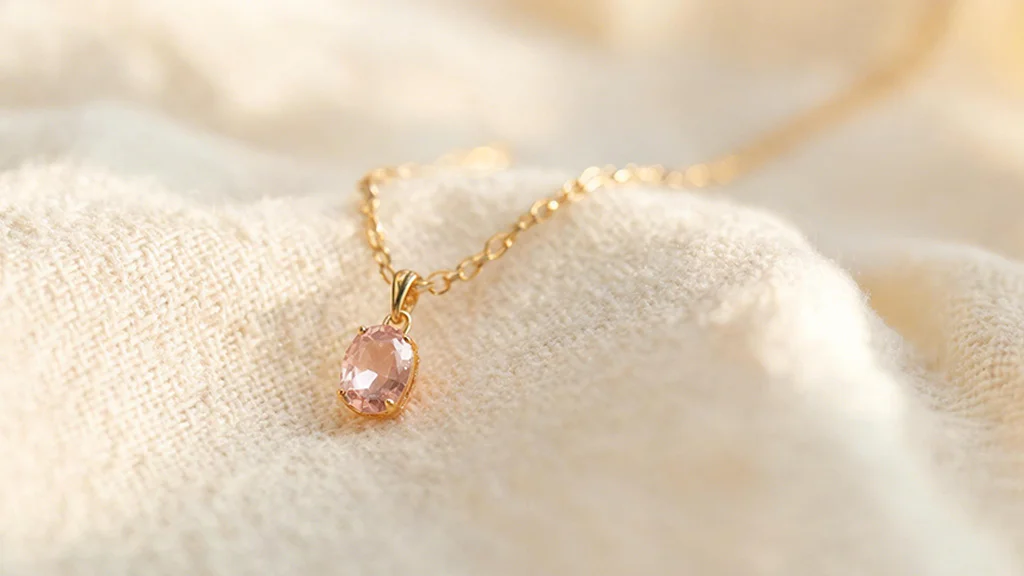
Buyer: A gift-giver — often a mother, partner, or adult child — buying to represent a specific relationship or family milestone. Why it works: The story is already built in before you write a single word of copy. It's also inherently expandable: one stone becomes two, then three, as a family grows. Materials: Works well in solid gold with natural birthstones for a premium tier, or lab-grown gemstones and CZ for an accessible entry tier — giving you a two-tier product ladder from one core concept. Watch-out: The category is crowded with near-identical products. Differentiation has to come from packaging, a clear birthstone guide, and brand voice — not the product shape itself.
2. Minimalist / Demi-Fine Jewelry
Buyer: A 25–45-year-old shopper building an everyday, stackable collection rather than buying occasion pieces. Why it works: Genuinely global appeal, strong stacking/repeat-purchase logic, and it's the segment where "affordable luxury" positioning works best — real gold or gold vermeil at accessible price points. Materials: Solid gold (9k/14k for accessible price points), gold-filled, and sterling silver bases; moissanite or lab-grown diamonds for small accent stones. Watch-out: Low story density on its own — the aesthetic doesn't sell itself. Needs a "why us" angle (materials transparency, everyday-wearability, intentional-living positioning) or it competes purely on price.
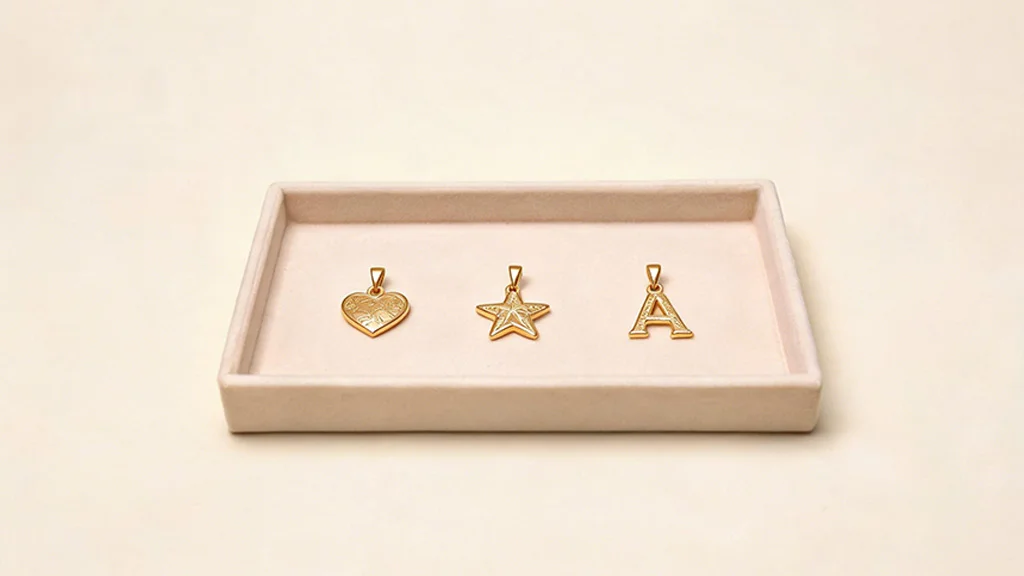
3. Personalized / Name Jewelry
Buyer: High-intent shoppers searching for something specific — "name necklace for mom," "custom coordinates bracelet." They already know what they want to buy; they're choosing who to buy it from. Why it works: Search intent is close to purchase-ready, which makes it efficient to advertise and rank for. Materials: Solid gold and gold vermeil dominate; laser engraving and custom stamping are the production differentiators, not exotic materials. Watch-out: Returns risk from customer input errors (misspelled names, wrong dates). Needs a confirmation-before-production workflow and a clear exchange policy.
4. Lab-Grown Diamond Fine Jewelry
Buyer: Value-conscious fine jewelry shoppers, increasingly including bridal buyers — lab-grown diamonds now account for a large and growing share of engagement ring sales as prices have dropped well below mined equivalents. Why it works: Lets a brand offer genuine fine jewelry (not demi-fine, not costume) at price points that support DTC margins, with a strong sustainability and value narrative built in. Materials: Solid gold settings with lab-grown diamonds; moissanite as a lower-cost adjacent option within the same aesthetic. Watch-out: Requires clear, honest product education — buyers researching lab-grown vs. mined diamonds want transparency, not vague marketing language.
5. Bridal & Stacking Rings
Buyer: Engaged couples and their wedding parties, plus a growing self-purchase segment of women building a stacked-ring look independent of any relationship milestone. Why it works: High average order value, strong repeat logic (wedding band follows engagement ring, anniversary bands follow that), and durable year-round demand. Materials: Solid gold is close to essential here — durability and resale/heirloom expectations are higher than in fashion jewelry. Watch-out: Highest production complexity and sizing-related return risk on this list. Needs accurate sizing tools and clear resize policies.
6. Men's Jewelry
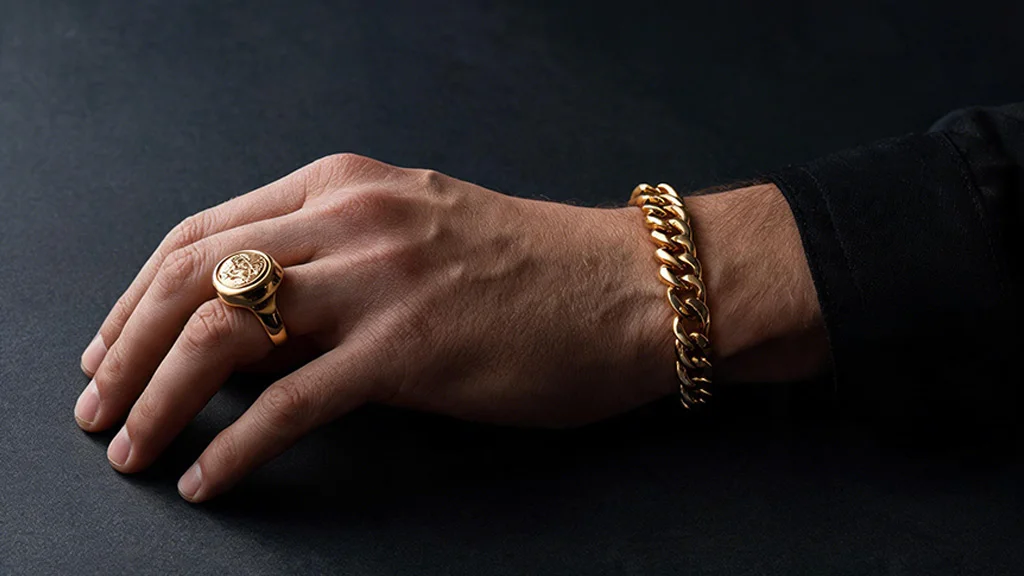
Buyer: A rapidly broadening demographic — no longer a true niche in the smallest sense, but still underserved by brands built specifically around it rather than treating men's pieces as an afterthought to a women's line. Why it works: One of the fastest-growing segments in the broader jewelry market, driven by shifting cultural norms around men wearing chains, signet rings, and bracelets as everyday pieces. Materials: Solid gold and stainless-steel-adjacent finishes for heavier, more durable pieces; simpler settings than fine women's jewelry, which can mean more efficient production. Watch-out: Brand voice and imagery matter enormously — generic "women's jewelry resized for men" positioning underperforms against brands built around the category from the start.
7. Cultural & Heritage Jewelry
Buyer: Diaspora communities and individuals reconnecting with or expressing cultural identity through symbols, motifs, and traditional forms specific to a heritage. Why it works: Deep story density and an underserved, highly loyal audience — most mass-market jewelry doesn't speak to specific cultural identities with any real depth. Materials: Highly variable by culture and motif; often benefits from natural gemstones or traditional metal treatments specific to the heritage being represented. Watch-out: Requires genuine cultural understanding and, ideally, genuine connection to the community being served. This is the niche where getting it wrong publicly costs the most.
8. Milestone & Memorial Jewelry
Buyer: Someone marking a significant life event — new motherhood, loss of a loved one, a major anniversary. Purchases are emotionally high-stakes. Why it works: The highest emotional intensity of any niche on this list, which supports strong brand loyalty once trust is established. Materials: Solid gold and sterling silver dominate; memorial-specific production techniques (ash inclusion, fingerprint engraving) require specialized supplier capability, not standard jewelry manufacturing. Watch-out: Tone is everything. This niche punishes generic marketing language and rewards genuine sensitivity in copy, imagery, and customer service. Weaker repeat-purchase logic than most niches on this list — plan for it.
9. Trend / Statement Jewelry (seasonal)
Buyer: Fashion-forward shoppers chasing a specific current aesthetic — chunky gold, Y2K-revival pieces, a specific viral silhouette. Why it works: Fast to test, high visual engagement on social platforms, useful as a supporting line rather than a core brand identity. Materials: Often gold-plated or vermeil rather than solid gold, since the piece needs to be price-accessible and the trend cycle is short. Watch-out: Lowest score on this list for a reason — thin story density, weak repeat logic, and a shelf life tied directly to how long the trend stays relevant. Works better as 10–20% of a catalog than as the whole brand identity.
Validating Your Niche Before You Spend on Product
Run through this before committing budget to samples, inventory, or ad creative:
- Search intent check. Look at monthly search volume for your core niche terms, but weight commercial-intent queries ("birthstone necklace for mom") over informational ones ("what is a birthstone"). Volume without intent doesn't convert.
- Marketplace bestseller audit. Search your niche on Etsy and Amazon, filter by bestseller/most-reviewed, and read what the top 10–15 listings are actually saying in their titles and descriptions — not just what they look like.
- Community signal check. Search the niche on Reddit and TikTok. Active discussion and creator content around a niche is a leading indicator of organic demand that keyword tools alone won't show you.
- Competitor story audit. Look past the products to the story each competitor is telling. A niche with five competitors all racing on price has room for a brand that leads with meaning instead.
- Regional demand check. If you're targeting US, UK, and EU buyers, verify the niche isn't concentrated in a single region before building a single global campaign around it.
- Small-scale ad test. Before ordering inventory, test the story angle — not the product — with a modest ad spend and measure click-through rate. A strong response validates the narrative; a weak one tells you to refine it before you invest further.
From Niche to Product: What Happens After You Decide
Choosing a niche is the strategic decision. Turning it into sellable product is the operational one, and it's where a lot of otherwise well-positioned brands lose momentum. A few things worth knowing before you approach a supplier:
- Match your niche to a realistic MOQ. A birthstone or personalized jewelry line can often start at low, accessible order quantities in gold vermeil or lab-grown-stone settings. A solid gold bridal line typically requires higher minimums given the raw material cost.
- Sampling first, production second. Any niche built on a specific material story (solid gold, lab-grown diamonds, moissanite, natural gemstones) should be validated with physical samples before a full production run — photos and renders don't reveal weight, finish, or stone quality the way a sample in hand does.
- Build your product ladder around one core niche. The strongest-scoring niches above (birthstone, minimalist demi-fine, personalized) all support a tiered product range — an accessible entry tier and a premium solid-gold tier — from a single brand story, which gives you room to grow average order value without diluting your niche.
If you're at the point of turning a validated niche into a sourced, sampled, production-ready product line, that's the conversation worth having with a manufacturing partner directly — materials selection, MOQs, and lead times vary significantly by niche, and it's far easier to get that right before your first production run than after it.
FAQs
Birthstone jewelry and personalized/name jewelry consistently score highest across story density, giftability, and repeat-purchase potential, and both have genuinely global demand rather than being concentrated in one region. Lab-grown diamond fine jewelry is the fastest-growing adjacent category as prices have made real diamonds accessible at demi-fine price points.
Is the jewelry niche too saturated to enter in 2026? Saturation is rarely the real blocker — undifferentiated positioning is. A niche with thousands of existing sellers can still be won by a brand with a clear story and a product the competition isn't offering (a specific material combination, a specific cultural angle, a specific gifting moment). Use the six-factor framework above to check whether a niche has enough story density and material differentiation to support a distinct position, rather than ruling it out on competitor count alone.
Start with one clearly defined niche for your core brand identity and initial marketing. Once that audience is established, a second, adjacent product line (men's jewelry alongside a women's minimalist brand, for example) can expand revenue without diluting the original positioning — but trying to serve multiple unrelated niches from day one is the most common way new jewelry brands fail to gain traction in any of them.
Yes, meaningfully. Gift-driven demand and self-purchase demand run at different intensities across all three markets, and preferences around minimalism versus statement pieces, sustainability messaging, and even price sensitivity shift by region. A brand selling across all three should expect to adjust messaging — and in some cases product mix — by market rather than running one identical global campaign.
It depends on the niche's price positioning. Demi-fine and minimalist niches work well in solid gold at accessible weights, or gold vermeil/gold-filled for lower price points. Fine jewelry and bridal niches generally need solid gold. Lab-grown diamonds and moissanite let a brand offer a genuine "fine jewelry" story at a price point closer to demi-fine, which is one of the more significant shifts in the market heading into 2026.